
See here for the PARCOE Position Statement on the Need for Transparency in Universities Decision-Making Process on Reparative Justice Programmes.
See here for the PARCOE Position Statement on the Need for Transparency in Universities Decision-Making Process on Reparative Justice Programmes.







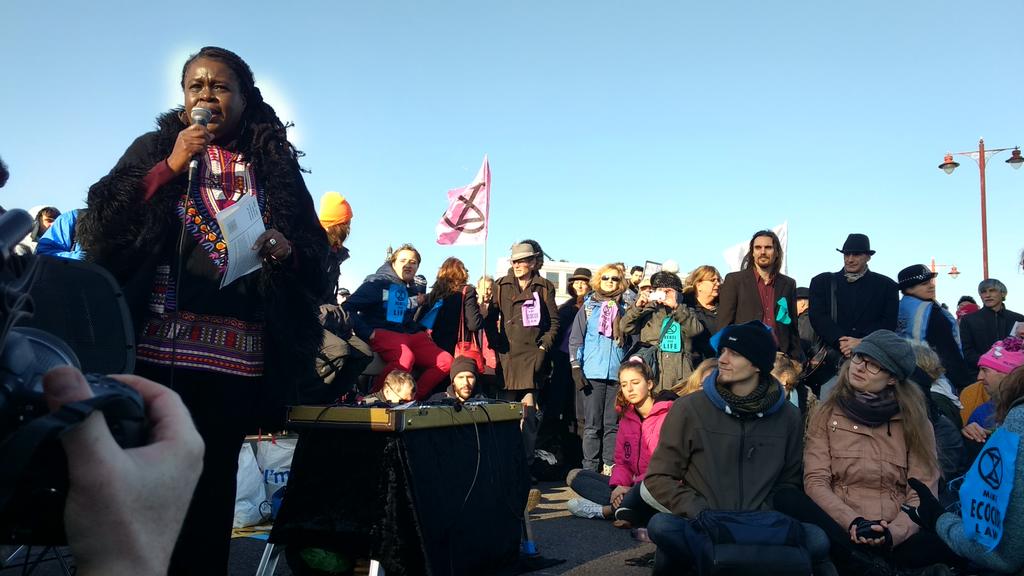
I spoke as an activist in the International Social Movement for Afrikan Reparations, in general and a representative of the ‘Stop the Maangamizi: We Charge Genocide/Ecocide!’ Campaign (SMWeCGEC) which takes a special interest in the connections between the Maangamizi (the Afrikan Hellacaust), the global Afrikan reparations claim arising from it, and a host of contemporary injustices that not only we as Afrikans, but also the rest of humanity faces and which endanger our very existence. That is the possibility of human and other species extinction.
Extinction is an expression of structural violence against Indigenous peoples and their relations, and colonial violence in particular; involving systemic forms of harm, exclusion and discrimination, each of which is ecologically devastating. So how does extinction apply to us as Afrikan Heritage Communities?; well, for over 500 years, the entre Maangamizi, in all its phases, rooted in the Transatlantic Traffic in Enslaved Afrikans (TTEA), enslavement and colonialism, has been and still is geared towards the extinction of Afrikan people. These forms of colonial and structural violence not only involved mass killing, but also the invasion, occupation, settlement and despoliation of our Motherland, Afrika; uprooting and disordering Afrikan communities, trafficking millions of Afrikans into Abya Yala (the so-called Americas) which had genocidal and ecocidal outcomes; destroyed millions of lives over generations and changed the socio-economic fabric of existing societies in Afrika, Abya Yala and the Caribbean. For those that remained, this led to enduring injustice with intergenerational and epigenetic effects. For instance, undermining our own Afrikan modes of governance and kinship systems and in the process systematically destroying relationships between life forms in addition to epistemicide/s or the erasure of knowledges. Such forms of violence weakened the co-constitutive relationships between Afrikan Heritage communities, other life forms and ecosystems that have enabled our collective survival in harmony with nature for millennia.
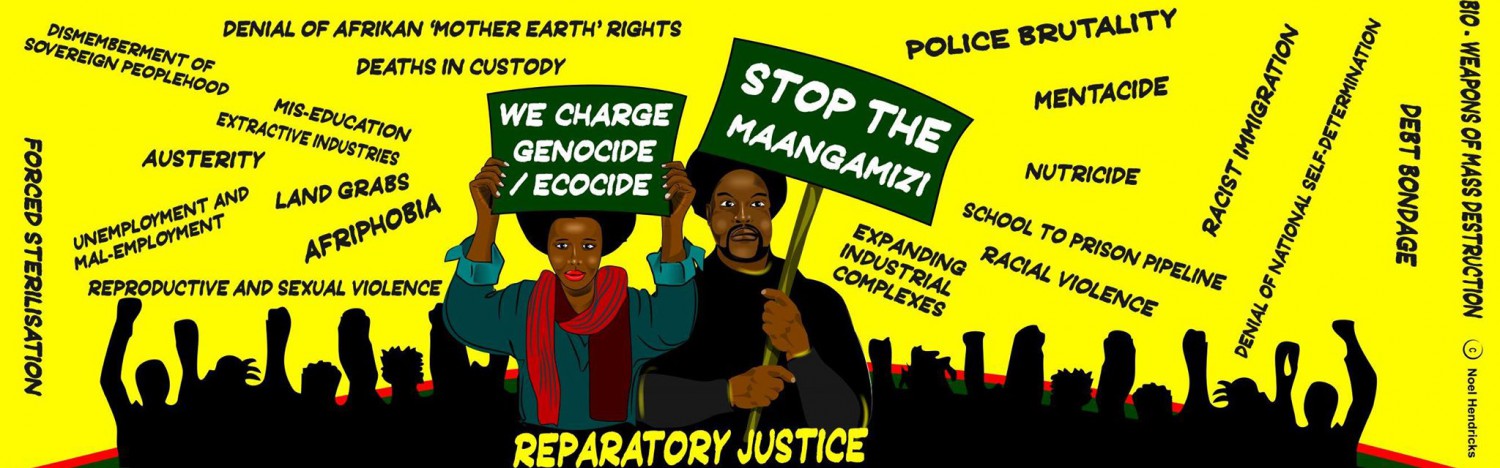
An aspect of genocide is “Deliberately inflicting on the group conditions of life calculated to bring about its physical destruction in whole or in part.” Various aspects of these harms are epitomised in the twelve manifestations of ecocide and genocide highlighted in the ‘Stop the Maangamizi!’ Petition, a grassroots tool of the SMWeCGEC, working towards genocide and ecocide prevention by mobilising people as part of the People’s Reparations International Movement (PRIM) and the ISMAR to stop various manifestations of the Maangamizi. The third manifestation of the Maangamizi contained in the petition is: denial of Black and Afrikan ‘Mother Earth’ (Nana Asase Yaa), human and peoples’ rights to national self-determination as an oppressed People. In the petition, various other ‘power disparities’ and inhumane public policies and practices are identified which have genocidal outcomes and continue to cause devastation to Afrikan Heritage Communities within and beyond the UK. Such policies and practices have resulted in the decimation of generation after generation of people of Afrikan heritage due to ecocidally induced physical and cultural genocide, the destruction of ecological and social life-systems as well as natural flora and fauna. Not to mention the perpetration of a myriad of other environmental crimes such as wildlife crimes, illegal logging, illegal fishing, illegal waste disposal and pollution, illegal traffic of ozone-depleting substances and illegal mining.
Some of the genocidal outcomes for Afrikan Heritage Communities include:
• Physical, biological, economic, cultural genocide
• Social and civil death of Afrikan People.
• Ecocide of our environment.
However, the life-destroying pollution of our planet, anti-Black racism, its specific form of Afriphobia and the impoverishment of whom Frantz Fanon referred to as the ‘Wretched of the Earth’, all arguably have their causes in the current unjust world system. Many scholar-activists have helped us to understand that the current world system is rooted in and has been established through the Transatlantic enslavement of Afrikans. We as an Afrikan-led Reparatory Justice campaign are therefore working as an affinity group and campaign which is building solidarities with the Extinction Rebellion Movement on the basis of the commonality of interest we share in rebelling against ecocide and ensuring accountability for environmental crimes. In addition to the fact that our campaign itself is a form of ‘rebellion against extinction.’ – In that it is safeguarding Afrikan people’s role as custodians of humanity’s futures; which focuses on the racialised and other intersectional destruction/s of genocide and ecocide as deliberately inflicted forms of colonial, imperialist violence against Afrikans, indigenous peoples and Mother Earth, in furtherance of advancing holistic reparatory justice. This is something which PARCOE, the reparations coalition I am part, of refers to as Pan-Afrikan Reparations for Global Justice. In this regard, the SMWeCGEC has been heavily influenced by PARCOE’s approach or (‘overstanding’) of the problem of climate change from a Pan-Afrikan internationalist perspective; therefore seeing the climate emergency as the result of the criminal imposition – by the ruling classes of Europe – of a rapacious system expropriating the resources of the globe, not only at the expense of the majority of Humanity, but also to the detriment of our Mother Earth.
Our strapline in the ‘Stop the Maangamizi!’ Campaign is ‘stopping the harm – the first step to repairing the damage’. By repairing the damage we are referring to reparations or as we prefer to say, Reparatory Justice. We see this as the beginning of the solution to reversing centuries of super-exploitation and extractivism and ending the ‘climate emergency’ and its corollary ‘human and peoples rights emergency’. Enforced access to much of the world’s natural capital – oil, gas, timber, minerals which lies on or beneath lands occupied by Afrikan, indigenous and Aboriginal peoples often entails land evictions, displacements, forced relocations, arrests, abuses and killings and other violations. For us as people of Afrikan heritage, reparations cannot simply be limited to financial compensation alone due to the nature of the damage and existential threat that we are facing. Comprehensive and adequate reparations require the removal of structures built on centuries of war crimes, crimes against humanity, genocide and crimes of aggression, in the forms of enslavement, colonialism and neo-colonialism or what we refer to as the Maangamizi.
Reparations must entail the cessation of current violations, such as environmental crimes in particular, and guarantees of non-repetition including true decolonisation and the restitution of sovereignty for Afrikan, Aboriginal and other indigenous peoples globally. For sovereignty, as conceptualised by Afrikan and indigenous peoples, is indispensable to halting the destruction of Nana Asase Yaa (Mother Earth) as our home; which has been caused by the structurally violent European initiated cultural, political, socio-economic system known as capitalism that is rooted in the genocide of indigenous and Afrikan peoples, chattel enslavement and the dispossession of ancestral lands, territories and natural resources.
Afrikans, Aboriginal and indigenous peoples have always known that the processes of genocide and ecocide are inseparable, for what has happened to our people and the lands on which we live are interconnected. In the Pan-Afrikan perspective of the ‘Stop the Maangamizi!’ Campaign this warrants an ‘overstanding’ that in stopping the harms of ecocide and genocide, we not only have to emancipate and save ourselves, but this process of stopping the harm and repairing the damage must also result in the repair of humanity and the cosmos. Since we as Afrikan people, who in the words of Audre Lorde, “were never meant to survive,” see that we have unique insights into what it means to be in stewardship of this World, Planet and Cosmos.
Accordingly, one of the seven goals of Pan-Afrikan Reparations for Global Justice is to “Enforce environmental elements of global justice full respect for Mother Earth/ Nana Asase Yaa rights.” However, we know that we cannot accomplish even our own self-determined goals for Reparatory Justice fully without working with others who are seeking to achieve similar goals of revolutionary social change and transformation. As the Afrikan freedom fighter Samora Machel said: “International solidarity is not an act of charity: it is an act of unity between allies fighting on different terrains toward the same objectives. The foremost of these objectives is to assist in the development of humanity to the highest level possible.”

Samora Machel
But how do we repair the loss of a future?
We have to destroy the peace of those who are too comfortable to change in order to rebuild!
By all means, we must escalate the rebellion by building alternative futures.
I close with some words of wisdom from the Calypsonian Baron’s ‘Mother Earth is Dying’.
Today the things we nurture could determine the future
And pray what would the picture be
See grandson and granddaughter fighting, chaos and disaster
As Mother Earth protest violently
Wake up, wake up people and be part of the struggle!
The planet earth in serious trouble
We got to end this melancholy refrain
We cannot afford to lose Paradise again
That’s why I’m pleading.
Mother Earth is crying, she say to stop the polluting…
Mother Earth is Dying, we got to stop the polluting…
Whole attitude got to change, and priorities rearrange
We got to become more competent
The way we protect the environment
And fight, fight for all that it’s worth
Fight to save Mother Earth…
Mother Earth crying…
In case you don’t know, the planet Earth dying slow
What a sad way to go.
Thank you!
Esther Stanford-Xosei, Coordinator-General, ‘Stop the Maangamizi: We Charge Genocide/Ecocide!’ Campaign (SMWeCGEC)
Thought-Piece on the Pitfalls of Windrush Generation Caribbean
Exceptionalism and the Potential for Increased Divide & Rule in the Quest to
Effect and Secure Afrikan Heritage Reparatory Justice
Please note, these are notes written by ‘Stop the Maangamizi: We Charge Genocide/Ecocide!’ Campaign (SMWeCGEC) Coordinator-General, Esther Stanford-Xosei; co-produced as a result of scholar-activism under the auspices of the Pan-Afrikan Reparations Coalition in Europe (PARCOE), the Global Afrikan People’s Parliament (GAPP) and the SMWeCGEC.
These notes were produced for the purposes of a reparations WhatsApp action-learners group that I a part of. I have decided to share these notes more publicly. They were originally written on 19/04/2018.
“I Is a Long-Memoried Woman“
Grace Nichols
“You must not abandon discussion out of tact . . . There should be no
concession where there is a question of establishing a scientific truth . . .
Remember we are focused on a quest for truth and not on a sacrosanct idol
we must avoid debasing”
Cheikh Anta Diop [quoted in Ivan Van Sertima, 1986: 13]
“…and when we speak we are afraid
our words will not be heard
nor welcomed
but when we are silent
we are still afraid
So, it is better to speak
remembering
we were never meant to survive”
Audre Lorde, A Litany for Survival, 1978
Greetings Reparations Action-learners!
I am offering some, more thoughts for the purpose of this group and reparations action-learning. I am interested in feedback on the viewpoints I am sharing in the spirit of Maatian ‘reparations dialogue’.


Taken whilst working at the Barbados High Commission, (London) Esther Stanford-Xosei & her father, the late Courtney Stanford
First of all, let me say that I am of the Caribbean to some degree in that I was raised by parents, who were born in the region and continued to maintain links with the countries of Barbados and Guyana where they were born. Despite the fact that my Mother came to the UK in the late 1950’s and my father in 1960, my family and I have maintained these links with community, family, friends and associates in the Caribbean. I have worked at the Barbados High Commission with my late father, who was a ‘British’ Royalist and through him, was entitled to claim citizenship of Barbados by descent which I took out in my 20’s. I have therefore, been on a journey and now locate my identity, journey and struggle (as did my predecessors) within the context of Afrikan people globally not as ‘Black Britisher’ or a ‘Caribbean’ person which are socially engineered identities which have particularly been cultivated within the past 15-20 years.
Many of my reflections and political responses have therefore been shaped by my own experience and what has been learned by my family and communities struggles for advancement, belonging, recognition, justice and development. I must also say that despite the differences in my self-identification and that of my parents, I continue to love them and other family members dearly although we have chosen different life paths in our quest to realise our full-humanity as a result of the damage caused by the Maangamizi.
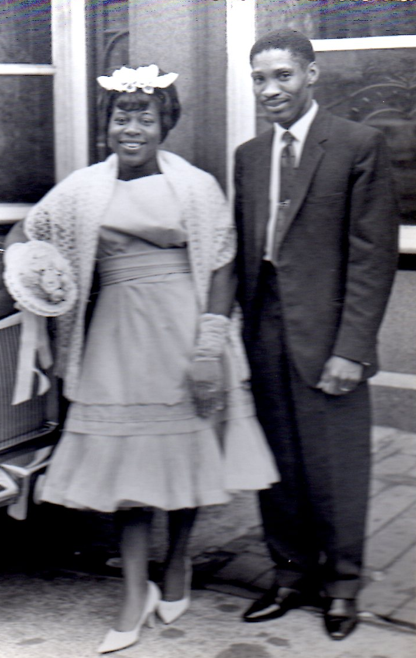
Esther Stanford-Xosei’s parents, Yvonne Stanford & Courtney Stanford, circa 1963
It is important to realise that we are in a political moment, this can help advance the movement, (International Social Movement for Afrikan Reparations (ISMAR), but not the way much of the campaigning and public discourse has been directed so far. The intergenerational mission and goals of the ISMAR is totally absent from this self congratulatory fervour about the apology to so-called “British Caribbeans” and promises of compensation, (remember when we were referred to as ‘Afro-Caribbean’ and then saw ourselves as African-Caribbean?).
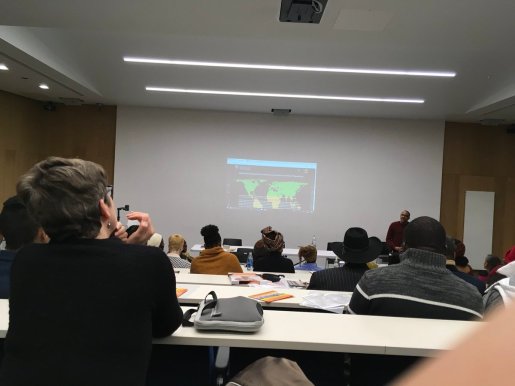
As promoted at the recent INOSAAR (International Network of Scholars & Activists for Afrikan Reparations) Birmingham Conference which took place in March, according to PARCOE the intergenerational goals of applied reparations are to:
1. Learn about, recognise and ‘Stop the Maangamizi’ including the horrors of enslavement, colonisation, neocolonisation, recolonization and other imperialist and foreign impositions on Afrikans at home and aboard, including forced Europeanisation and Arabisation.
2. Counter Afriphobia as a manifestation of white-supremacy, eradicating Afrikan dehumanisation, and assertion of the Afrikan personality.
3. Restore Afrikan sovereignty by redressing with MAATUBUNTUMANDLA (Pan-Afrikan Government of Peoples Power) the disrepair in our power and usher in a fundamental change of the existing world order that would definitively bring about new geopolitical realities such as MAATUBUNTUMAN; the antiimperialist sovereign Pan-Afrikan Union of Communities/polity of Afrikan people’s power.
4. Effect systemic change globally to ensure the expropriation and redistribution of ill-gotten wealth, resources and income worldwide.
5. Implement New paradigms of development including a new, international, legal, political, cultural and economic order.
6. Institutionalise the Afrikan cosmovisions and ethical principles of Maat and ubuntu in terms of global justice for all. 1
7. Enforce environmental elements of global justice full respect for Mother Earth/
Nana Asase Yaa rights. 2
We can actually measure how consonant the approaches being taken to campaigning for the ‘Windrush generation’ with the pre-existing and ongoing struggle for Afrikan Reparatory Justice by looking how much or little Windrush campaigning is relating to the aforementioned political goals.
I shall say more about the Caribbean case in relation to the Global Afrikan case for reparations later in this thought-piece.
First of all let me say that we must be mindful that our historical and contemporary oppressors are masters at deception and psychological manipulation.
At the risk of mistakenly being considered insensitive, in the awareness of so many harrowing testimonies of Windrush generation affected persons, I am also interested in why there is so much media and governmental focus on the ‘Windrush Generation’ to the exclusion of all other atrocities and injustices against people of Afrikan heritage. Perhaps it has something to do with the forthcoming 70th anniversary of the landing of the Empire Windrush in 1948, the British establishment-promoted re-conditioning, contemporary ‘seasoning process’ and re-affirmations of benevolent notions of Britishness etc. as well as the elevation of the ‘special relationship’ Britain has with the Caribbean, as did their forebears who colonised the peoples found and brought there.
I have been wondering about the other Commonwealth citizens who may be affected by this British governmental ‘hostile environment’ created around the situation of economic and political migrants who came from the Caribbean and Afrika. Are we certain that it is only ‘Windrush generationers’ that are being affected? Or is this an issue that is happening to other so-called Commonwealth citizens?
The former head of the civil service, Lord Kerslake, said that some ministers were “deeply unhappy” about the introduction of the “hostile environment” strategy under then Home Secretary Theresa May. Speaking to BBC Newsnight, Lord Kerslake, said some saw the policy, which has come under the spotlight during the Windrush row, “as almost reminiscent of Nazi Germany in the way it’s working”, i.e. genocidal!!!3
This matters, because we must be on guard against a select group of us as members of the Afrikan Diaspora being elevated for special concern (apology, compensation etc. which is not being framed as part of Afrikan people’s struggle for reparatory struggles) and not others.
In a recent Guardian article by Kate Osamor, Shadow Secretary of State for International Development, she points out that she is dealing with a number of cases within her constituency of Commonwealth citizens being threatened with deportation. Notably, she points out that some of these constituencies come from Uganda, Ghana, Nigeria, Barbados and Antigua and Barbuda – all Commonwealth countries and emphasises that countless people came to the UK from Commonwealth countries before 1973. 4
So, I am wondering why we are not hearing the testimonies and further news reporting on other Afrikan people who are citizens of Commonwealth countries. Whose voices and lives are being deemed not to matter, and how are we advertently or inadvertently feeding into this silencing and marginalisation of the narratives of other Afrikans?
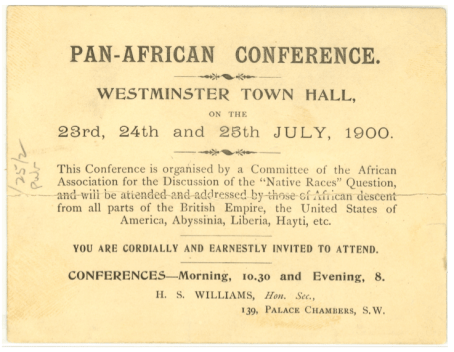
As Professor Gus John has stated in his recent commentary ‘70th Anniversary of Windrush 1948 – A View by Professor Gus John’ 70th Anniversary of Windrush 1948 – A View by Brofessor Gus John:
“To focus upon and make iconic the arrival of the Windrush in 1948 carrying 492 members of the Global African Diaspora from the Caribbean, a region that imperial Britain had made home to their enslaved Ancestors, is to suggest that there was not an African presence in Britain prior to 1948, including a sizeable number of people from the Caribbean”
It is important to remind ourselves that they were part of the Afrikan Diaspora in Britain and made common cause with their brothers and sisters from the Afrikan continent (and other parts of the Afrikan Diaspora) who were/are also resident in Britain. By projecting ‘The Windrush Generation’ above other Afrikan Diaspora and Afrikan ‘Commonwealth citizens’ we are not only in danger of erasing the contributions and struggles of earlier generations of Afrikans from the Continent of Afrika and from the Caribbean in Britain, we are also feeding into compounding:
“the divisions, generated and reinforced by the British themselves, between African Caribbean people and African people as two separate ethnic groups, rather than as one people with a common heritage and with an interrupted history.”
– Taken from ’70th Anniversary of Windrush 1948 – A View by Professor Gus John’

What is being cultivated in this political moment of spotlight on Windrush is Caribbean exceptionalism based on a special relationship to ‘Britishness’. The Caribbean has been portrayed as a place where people are being sent to as though they are criminals and have done something wrong, this is coming from the testimonies of those who have been affected. There are assertions of people’s right to be British and some of those affected have gone so far as to say “I am an Englishman” (e.g. Junior Green, aged 60, who arrived in the UK when he was 15 months old as part of the Windrush generation). These are all examples of identity erasure and misrecognition. Identity erasure is the act of neglecting, looking past, minimizing, ignoring or rendering invisible an other.
In my view, this distorted sense of self, i.e. individual, collective and community self, is one of the greatest Maangamizi crimes perpetrated by the British state in creating and misusing the economic, political and cultural conditions which compelled many of the so-called Windrush Generation to come to these shores – For it cultivated a sense of natal alienation, the seeds of which were already planted by the systematic dispossession of the descendants of the Afrikan enslaved, social and civil death of Afrikan personhood and personality as well as the subsequent erasure of Afrikan identity which began in the colonies and continued in the British metropolis. All this could only be done because of the British colonial and post-independence CARICOM states-induced forgetting and disassociation from the Afrikan Motherland, as well as devaluation of Afrikan heritage and culture, designed to inculcate in us defence of and servility to the British Empire.
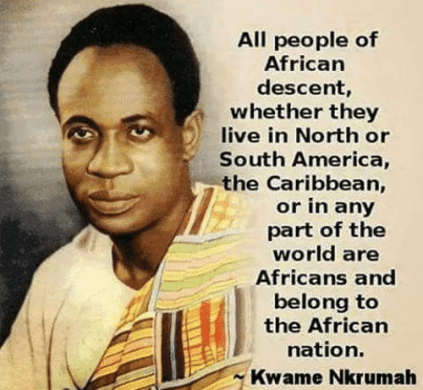
I have even heard reference to the phrase descendants of the Windrush Generation which is a historical departure to the notion of being of Afrikan decent or ‘African descendants’ a term that was popularised following the 2001 World Conference Against Racism, Racial Discrimination, Xenophobia and Related Intolerance. In effect reducing us to just a small aspect of our history and experience of the Maangamizi (i.e. The Windrush Experience); thereby inadvertently denying people of Afrikan heritage a right to everything that has been taken from us and that we are entitled to by virtue of our people’s experiences of the Maangamizi. The entitlement of the whole is being misguidedly reduced to the compromised position of going after a part of our entitlement in terms of narrow proposals for Windrush compensation.
More disturbingly, we are witnessing a weaponizing of the cultivation of ‘Windrush Generation Consciousness’ as an effective form of British state counterinsurgency in order to further prolong aspects of the Maangamizi and counter Afrikan heritage communities resistance to the Maangamizi today; especially in terms of seeking to undermine Afrikan Heritage Communities struggles and advocacy of holistic reparations. In addition to dissuading people of Afrikan ancestry and heritage from identifying as ‘Afrikan’ or of ‘Afrikan heritage’ thereby completely diverting us from waging any real struggle in our own group (collective) best interests resulting in us appealing to our historical oppressors and contemporary oppressors as saviours inculcating in us more forms of servility. What comes to mind in this regard is to look at how fowls are caught, often all it takes is to throw the fowls some corn or feed. The fowl will often go after it, not examining who is throwing the feed, whether it is good for them, genetically modified, or even being used as a bait to kill them etc. On the contrary there are members of the Animal Family that will instead sense some form of danger even when it may appear that they are being offered something good.
What is happening causes a great dilemma e.g.: what is the nature of the fight that we wage in support and defence of those affected? What are we and they fighting for and are they the same thing? This is a question which is not just a personal but also a historical question.
In the GAPP emerging position on CARICOM reparations, it states:
“Claims and case of Afrikan reparations are based on the principle of intergenerational justice and therefore has transgenerational, transnational and intercultural dimensions…As descendants of Afrikans who were enslaved, we are mindful of our ancestral responsibility to ensure that when we speak in their names we do not allow the enslaver’s visions of justice to prevail in advocating what are considered to be adequate reparations. The discourse on reparations has to move beyond merely calling on the name of our ancestors as justification for the genesis of our entitlements to redress today to truly recognising the personhood, worldviews and visions of justice of the Afrikans that were enslaved in the Americas and the Caribbean. … To give primacy to their enslaved status and legal and justice frameworks of their enslavers and their descendants; continues their deracination, invisibilisation and dehumanisation…We therefore endorse the view of Professor Chinweizu that our own search for reparations must, of necessity, be tailored to our peculiar condition, to our peculiar experience. In this regard, the measures of reparations must be flexible and account for the ethnic and cultural diversity amongst Afrikans as well as the diverse historical experiences of enslavement, colonialism and their legacies today. Frameworks for Afrikan reparations (including reparations for people of Afrikan origin in the Diaspora), must also address Afrikan & Afrikan Diaspora epistemologies (ways of knowing) concerning what ‘repair’ means and looks like…Equally, we have a responsibility to future generations to ensure that the decisions we make today do not negatively impact the interests or wellbeing of the unborn and each generation to come. This means that whatever reparations outcomes we seek to effect and secure today leave a better legacy for our children and our children’s children and do not end up looting their freedom account and ability to live lives of dignity as Afrikans and people of Afrikan heritage on this earth.”
Reflecting on several British anti-establishment dramas/films that have been screened in recent times to prepare our minds for the ‘defender of Empire’ role that many of us are being socially-engineered to assume:
‘Undercover’ 5
‘Hard Sun’ 6
‘Guerrilla’ 7
‘The Foreigner’ 8
…it become more visibly apparent that some of us as Afrikan Caribbean people actually end up being the most trusted and loyal servants, defenders and advocates of the British empire/establishment. This defence of the British Empire is not to be conflated with the claim for Afrikan Reparatory Justice which has always been in opposition to Empire and for Afrikan Self-Determination, locally, nationally and internationally.
I am re-sharing aspects of the analysis of I’Nora Kamala (Dr Nora Wittman) in her article ‘Slavery Reparations – A Caribbean or Global African Claim’:
“Indeed, there is a fundamental problem with the recent CARICOM reparations initiative. Basically, that problem is that it is a Caribbean initiative, based on the conceptualization of a ‘Caribbean’ reparations claim. But the claim for transatlantic slavery reparations is not a Caribbean claim, it is a global African entitlement to reparations, and intrinsically so…It is thus crucial to grasp that it is not Caribbean societies and states as such that have a claim to transatlantic slavery reparations – though they will undoubtedly profit in their entirety from comprehensive global African reparations. The structural and most ferocious violence against the African by Europeans is what Caribbean societies were founded upon. Thus, without reparations and healing directed specifically at the African, no healing can come for Caribbean societies. Global African reparations are the heartpiece of healing for Caribbean societies…Yes, Caribbean nations need healing, but the violence that was and still is perpetrated against the African part of the Caribbean was so fundamental to the coming into existence of Caribbean societies that the healing also has the be directed specifically at Africans. And not only Africans
in the Caribbean, but Africans globally and especially also on the African continent.”9
In proclaiming the United Nations International ‘Decade for People of African Descent’, Flavia Pansieri (former United Nations Deputy High Commissioner for Human Rights) said: “people of African descent represent a distinct group whose human rights must be promoted and protected”. People of Afrikan descent’s legal personality is based on being Afrikan not ‘British’, ‘English, ‘Afropean’ or ‘European’. Afrikan people have other options than to confine themselves to a second-class deracinated status of Britishness, they can be also fighting for their ‘right to Afrika’ as is being championed by ENGOCCAR, (the Europe-wide Consultative Council for Afrikan Reparations), who are partners to the ‘Stop the Maangamizi!’ Campaign, in Europe.
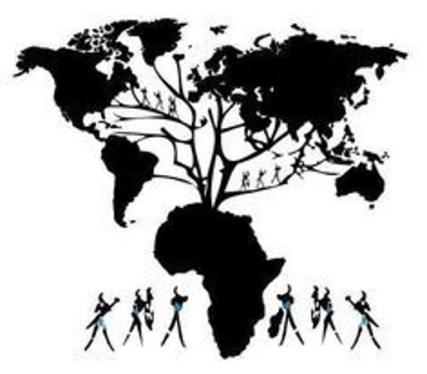
What is the Right to Afrika?
Right to return (repatriation) and belong (rematriation) which is one process. One cannot happen without the other. It encompasses the Akan Sankofa principle of going back to fetch your Afrikan personality in material and spiritual terms all routed in the land of Afrika. Your personality includes the continent of Afrika, the land, peoplehood and wealth for Afrikans at home and in the Diaspora. This does not mean that everyone physically has to up and return to Afrika, but that one can enjoy the citizenship rights and responsibilities of being an Afrikan wherever we are. Ultimately it is about seeing yourself as having the right to all the material and spiritual wealth of Afrika to the point that such wealth as a whole ought to be utilised first and foremost for your own personal and community development, wellbeing, security and prosperity in the present and in the future wherever you are.
So here in Britain, for example, anyone of Afrikan heritage should feel entitled to being the main determinant and stakeholder in how the British State and Society best relates to the people and continent of Afrika in order to ensure that the benefits of that relationship first and foremost uplift the dignity and standard of living of people in our Afrikan Heritage Communities in this country. Nothing should be done about Afrika by the British State or any of its organisational and individual representatives without respecting the agency of our Afrikan Heritage Communities in determining how this should be done. In effect this means that the power inherent in determining what Britain gets or does not get from Afrika is entirely in the hands of people in our Afrikan heritage communities here in Britain shared only with other Afrikan people throughout the Continent of Afrika and the Diaspora. This gives Afrikan Heritage Communities here in Britain a decisive say in the affairs not only of Afrika but of Britain and the rest of the Euro-American world;which cannot exist and wields the kind of global might and influence they currently have without the stranglehold they have had on Afrika since the full imposition of the chattel enslavement phase of the Maangamizi.
That is why instead of craving for the fake carrot stick of Britishness we should be demanding and fighting to secure global Afrikan citizenship that will entitle people from our Afrikan Heritage Communities to belong not only to one particular country in the Euro-American World but more importantly to Afrika and anywhere else in the World where the crimes of the Maangamizi have been perpetrated and continue to be committed against us by all the powers of European imperialism.
What is glaringly obvious is the betrayal of CARICOM heads of government and their Caribbean Reparations Commission in terms of saying noting at these CHOGMs (Commonwealth Heads of Government Meetings) about reparations. Despite recent Emily Thornberry’s assertions about the need for the UK PM to apologise for historic wrongs, this has resulted instead with Theresa May’s apology to ‘LGBT’ communities for “colonial-era anti-gay laws.” 10 It is said that May was responding to calls from LGBT activists for an apology over the UK’s legacy on the issue. Yet despite all this talk of colonial-era legacies, we have not heard a dickie bird from any of the Heads of Government present at these CHOGMs about the cause of reparatory justice for the Afrikan people in the Caribbean, or indeed their own CARICOM ten-point plan!
Rather, the focus has been on decriminalisation of ‘anti-sodomy’ laws in Afrika and the Caribbean. The ongoing struggle for reparatory justice which is at its core a struggle for Afrikan people’s liberation at home and abroad, features nowhere!
Whereas support for and recognition of homonationalism and LGBTI minority rights is what seems to be gaining unprecedented recognition. 11 There is some interesting scholarship on how LGBTI social movement organizations have been engaging internationally and focused on engagement in the Commonwealth as a terrain of struggle.12 It has generally been under-theorised how human rights can be co-opted into imperial political projects, particularly concerning the elevation and promotion of sexual nationalisms:
“Since its formation in 2011, the Kaleidoscope Trust has emerged in the United Kingdom (UK) as the leading institutional actor working internationally on lesbian, gay, bisexual, transgender and intersex (LGBTI) human rights. In particular Kaleidoscope as a non-governmental organization (NGO) has been pivotal in defining and developing the Commonwealth as an intergovernmental structure to be engaged by LGBTI social movements. A particularly interesting development has been Kaleidoscope’s leading role in creating The Commonwealth Equality Network (TCEN) as a transnational network of national LGBTI NGOs, to lobby the Commonwealth. 13
In fact, there is a sinister silence from them! After all, the CARICOM claim is based on reparations for Afrikan slavery and native genocide. So, it is clear that CARICOM Heads of Government do not mind seeking to receive benefits on behalf of Afrikan heritage citizenries but fail to represent their interests in international gatherings. Not only have they failed to represent the interests of their citizenries on reparations in these CHOGMs, they are also marginalising the interests of those communities in the Caribbean who have always been linking with Afrika and promoting Afrikan identity such as the Rastafari Community etc. (see the video below for a discussion on LBC radio PARCOE as well as SMWeCGEC Co-Vice Chair, Kofi Mawuli Klu which highlights this point). Instead, we can see them contributing to a form of genocidal ethnic cleansing of Afrikan heritage communities in the Caribbean and denial/marginalisation of the their ancestral as well as contemporary links to Afrika and by extension other Afrikan Diaspora communities.
We as various constituencies of the ISMAR within Europe, Abya Yala (the so-called Americas), including the Caribbean and indeed Afrika should have been better prepared to find raise to raise the issue of reparations for these CHOGMs. This issue was raised with the delegation from the Jamaica National Council on Reparations that visited the UK in November 2017 among a number of other proposals for action that we could take together. However, we have not heard back from them about our proposal for joint-working since. 14
“You cannot successfully oppress a consciously historical people”
John Henrik Clarke
Endnotes
1 Cosmovision is a view of the basic nature of the Cosmos, it is fundamentally different than that of European culture. This means that we can’t simply force Afrikan ideas into Western and Eurocentric conceptual categories. A people’s cosmovision can be manifested in and studied via its material culture.
2 https://en.wikipedia.org/wiki/Law_of_the_Rights_of_Mother_Earth
Nana Asasa Yaa is the Earth goddess/deity of the Ashanti people also known as is Nyamewaa (goddess) and is the personification of the planet many people call Earth. She is also identified as the First Woman in the form of Aberewa. She is wife and consort of Nyame Anansi Kokuroko, the Creator of All. There is an Afrikan equivalent of Mother Earth Rights.
5 http://www.bbc.co.uk/programmes/b076vdbc
6 http://www.bbc.co.uk/programmes/p05pc0xs
7 https://en.wikipedia.org/wiki/Guerrilla_(miniseries)
8 https://en.wikipedia.org/wiki/The_Foreigner_(2017_film)
10 http://www.bbc.co.uk/news/uk-politics-43751518
http://novaramedia.com/2016/06/19/gay-pride-capitalism-what-is-pinkwashing/
https://www.pinknews.co.uk/2018/04/17/theresa-may-commonwealth-anti-gay-laws/
11 Homonationalism, coined by Rutgers University professor Jasbir K. Puar in 2007 is the intersection of gay identity and nationalist ideology. According to Puar, as gay people have become “normalized” in Euro-American consciousness, these victories in their struggle for recognition have created space for the homonationalist who abandons intersectional activism and advocates racist, xenophobic, capitalistic self-interest. Homonationalism involves conceptually realigning the ideas invested within the realm of LGBT activism to fit the goals and ideologies of neoliberalism and the far-right. This reframing is used primarily to justify and rationalize racist and xenophobic perspectives. It remains notoriously difficult to define who makes up the “LGBT community”, and particularly what identifying as LGBT means in terms of lifestyle, political goals etc.
https://www.huffingtonpost.co.uk/entry/gay-people-supporting-trumphomonationalism_
us_57f3e545e4b01b16aaff4bff
Other concepts to be familiar with are homocolonialism and pink-washing: Homocolonialism – Building upon Lisa Duggan’s notion of homonormativity, and Puar’s homonationalism, Momin Rahman conceptualises homocolonialism as a process of triangulation that legitimises Western exceptionalism illustrating how LGBTI politics is caught up in the promotion of the assumed civilizational superiority of western modernity, and thus opposition to SOGI rights (Sexual Orientation, Gay & Intersex) becomes framed as resistance to western cultural colonialism.
https://dismantlinghomonormativity.weebly.com/index.html
https://static1.squarespace.com/static/55120ecae4b01593abadc441/t/581286792994ca39cb11ce88/1
477609082756/LGBTI+and+Muslims+Rahman.pdf
Pink-washing is the invocation of gay rights in order to divert attention from and justify the occupation of the lands and territories as well as the violation of the group rights of colonised and oppressed peoples. The term combines the words pink and whitewashing. In the context of LGBT rights, it is used to also describe a variety of marketing and political strategies aimed at promoting products, countries, people or entities through an appeal to gay-friendliness, in order to be perceived as civilised, progressive, modern and tolerant. Celebrating LGBT rights is a fashionable topic in marketing land. Its main usage is to describe the Israeli government’s ‘deliberate strategy to conceal the continuing violations of Palestinians’ human rights behind an image of modernity signified by Israeli gay life’. http://www.nopinkwashing.org.uk/
See this link for my own encounters with homonationalism/s in the workplace
http://www.africanholocaust.net/africanwoman.html
13 http://eprints.gla.ac.uk/122728/1/122728.pdf
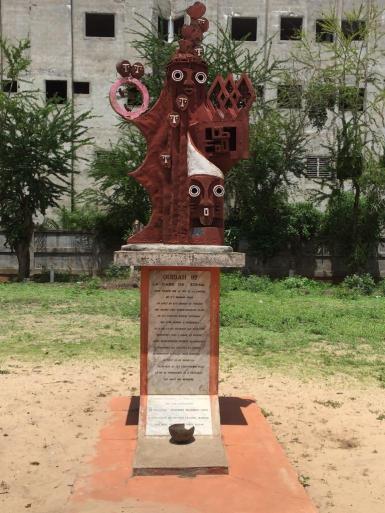
GBETOWO IN ‘ABLODENUDZRADONATOTRO’:
TOWARD THE PAN-AFRIKAN REPARATIONS FOR GLOBAL JUSTICE VICTORY OF MAATUBUNTUMAN
By Mawuse Yao Agorkor of the
ABLODENUDZRADOSAFO Global Ewe Community of Practice for Pan-Afrikan Reparatory Justice (ABLODENUDZRADOSAFO-GECOPPARJ)
and the VAZOBA Afrika and Friends Networking Open Forum.
https://www.facebook.com/415256132147081/photos/a.555388351467191/727473107592047/?type=3
ABSTRACT
This is a presentation giving a basic outline explanation of the ‘Pempamsie’ planning of, and the groundwork being done to effect, people’s self-empowering Pan-Afrikan Reparations for Global Justice within the Ewe-Fon-Adza kindred communities of the Gbetowo nationality in West Afrika as their own self-determining contributions towards the victorious building of the MAATUBUNTUMAN Pan-Afrikan Union of Communities. There is well emphasized the crucial importance of Cognitive Justice to understanding what Reparations mean as ‘Nudzradonatotro’ to the Gbetowo. Proceeding from this ‘Nudzradonatotro’ conceptualization, the presentation highlights its cardinal exposition of the view that Reparatory Justice will be utterly meaningless to partitioned indigenous Afrikan communities like the kindred Ewe-Fon-Adza communities in present-day Ghana, Togo, Benin and Nigeria, unless the Maangamizi criminality of the European imperialist neocolonially imposed borders of Coloniality, that are a huge part of the still persisting legacies of the infamous 1884-1885 Berlin Conference, are completely dismantled in the total national and social liberation course of effecting true Pan-Afrikan Reparations for Global Justice. Hence the great attention given to explaining the contributions being made by the ABLODENUDZRADOSAFO-GECOPPARJ, under the auspices of its parent formation, the ABLODEDUNOVISIHA Gbetowo Global Union for Pan-Afrikan Community Regeneration (ABLODEDUNOVISIHA-GGUPACOR) to the remarkable works of the Stop the Maangamizi: We Charge Genocide/Ecocide Campaign (SMWeCGEC), and the Global Afrikan People’s Parliament (GAPP); that is, Gbetowo contributions to putting a full stop to the Afrikan ‘Hellacaust’; in order to achieve the definitive victorious building of MAATUBUNTUMAN, out of the unification of ‘Sankofahomes’ throughout the continent, together with ‘Maatubuntujamaas’ all over the World, wherever is thriving the diaspora of Afrika.
Introduction
Honourable Chairperson, Distinguished Guests and Fellow Participants;
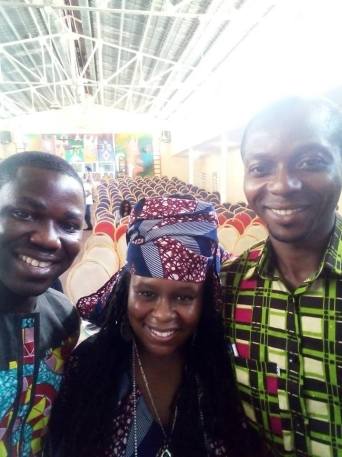
With great pride I bear, in the Afrikan Personality dignity required by such a humbling big responsibility, the immense honour of representing not only my own primary organization, the ABLODEDUNOVISIHA Gbetowo Global Union for Pan-Afrikan Community Regeneration (ABLODEDUNOVISIHA-GGUPACOR); but also, and indeed, to be more precise, mine is the honour of representing our ABLODEDUNOVISIHA through one of its Grassroots Academia branches, the ABLODENUDZRADOSAFO Global Ewe Community of Practice for Pan-Afrikan Reparatory Justice (ABLODENUDZRADOSAFO-GECOPPARJ), which is most relevant to this 19th-21st September 2018 Colloquium of the International Network of Scholars and Activists for Afrikan Reparations (INOSAAR). It is noteworthy to register the fact that, among others, I do also represent here the VAZOBA Afrika and Friends Networking Open Forum; as well as the West Afrikan Grassroots Preparatory Action Coordinating Committee of the International Network of Scholars and Activists for Afrikan Reparations (WAGPACC-INOSAAR). When we started being drawn as early as in October 2016, by the Pan-Afrikan Reparations Coalition in Europe (PARCOE), based in London, United Kingdom, into discussions and preparatory work for the building of INOSAAR, we on the ground in West Afrika gave careful thought to a considerable number of bittersweet lessons from our own chequered previous as well as still ongoing current experiences.
WAGPACC-INOSAAR: Our Rationale
We of ABLODEDUNOVISIHA and VAZOBA are among those who proudly regard ourselves as the Scholar-Activists of the Grassroots Academia of our Communities of Resistance for Pan-Afrikan Reparatory Justice throughout the continent and diaspora of Afrika! We take immense pride in the Decolonizational furtherance of Cognitive Justice by doing our Scholar-Activist work mainly in our own indigenous Afrikan languages, utilizing creatively our own indigenous Afrikan knowledges, including spirituality, capacities, skills, cultural processes, tools and various other instruments, infrastructures and mechanisms to carry out appropriate mass conscientizational work by way of Popular Education, giving priority to Action Learning and similar mural and extra-mural endeavours of Lifelong Learning, among the ordinary masses of our Afrikan people at home and abroad. We unapologetically storm into this September 2018 colloquium space of INOSAAR, in the Republic of Benin, as non-state acting grassroots subaltern Scholar-Activists, coming from mainly the so-called hard to reach nooks and crevices of our Afrikan Communities of the Wretched of the Earth, from our own Lifelong Learning spaces of the Poorest of our poor Afrikan Communities of Resistance. For, it is the Reparatory Justice interests of such impoverished Afrikan Communities of Resistance that many in the ivory tower citadels of the Establishment Academia ignore, with some even contemptuously denying the very existence of ourselves and the distinctive interests of Intersectionality we independently represent both on the continent and in the diaspora of Afrika today! So we are coming from having had, since 2016, to do very serious thinking for ourselves about how best to make the INOSAAR endeavor worthwhile to ourselves and, most importantly, fruitfully beneficial to the ordinary masses of Afrikan people in and beyond our own communities all over the World. It is such thinking that has gone into creating the WAGPACC-INOSAAR as our own autonomous space for grassroots thinking and action by non-state actors promoting, from the ground upwards, not topdown but rather from “the bottomless pit”, in our own community interests, what we regard as authentic Pan-Afrikan Reparations for Global Justice in West Afrika.
The WAGPACC-INOSAAR is an autonomous networking Bloc of grassroots formations that are prioritizing the agency of the ordinary masses of Afrikan people by promoting, advocating and safeguarding respect for their own self-determined vital best interests, views and contributions in the groundup participatory democratic building of INOSAAR. This is being done so as to ensure things are scrupulously carried out in ethical accord with the fundamental principles of the International Social Movement for Afrikan Reparations (ISMAR), so as to enhance its advancement, in organic link with the Peoples’ Reparations International Movement (PRIM), towards the Rendezvous of Victory of holistic Pan-Afrikan Reparations for Global Justice. This is necessary to ensure the vigilant defence within and beyond INOSAAR of the inalienable right of the grassroots of our deprived Communities of Reparations Interest (CORIs) in West Afrika to independently project, articulate and effect their own perspectives and endeavours of Afrikan Reparatory Justice by their own sovereign People’s Power; and to assert the real weighty massive strength of their Civil Society collective intellect and might, against overt and covert attempts to impose the topdown elitist diktat of governments and other state actors upon them to the detriment of their own best interests and also against the principles and ethical norms of the ISMAR and the PRIM. We are seeking to reinforce and consolidate the autonomy of the WAGPACC-INOSAAR and review our own work programme during and in the aftermath of this September 2018 INOSAAR Conference in Benin.
Akpe!


With this very necessary clarification, may we go on to express our profound gratitude to Dr. Nicola Frith, Professor Joyce Hope Scott, Kofi Mawuli Klu, Esther Stanford-Xosei and, of course, also to the energetically dynamic Zeguen Moussa Toure, one of the co-founders and now a Co-Vice-Chairpersons of the WAGPACC-INOSAAR, currently based in Cotonou here in the Republic of Benin, where as a political refugee he is in exile from his country of birth, Cote d’Ivoire; our immeasurable “Akpega” to all such outstanding persons who have kept our hopes in INOSAAR alive and displayed exemplary leadership, together with all others we are unable to mention individually, in bringing us to this impressive event; yes, to this event of what, to us, ought to be a historical landmark celebration of Afrikan Rootsgrounding enstoolment of the special collective chieftaincy of INOSAAR as a potentially formidable iron-component of the Academic Column of both the International Social Movement for Afrikan Reparations (ISMAR) as well as of its interconnected Peoples’ Reparations International Movement (PRIM).
We are in Xogbonu/Hogbonu/Aja Ile!
Being an Ewe Scholar-Activist Advocate for our Gbetowo indigenous community rights, may I seize this opportunity also to highlight one more very important thing in this introduction to my presentation. It is vital for me to do so as my sacred Scholar-Activist duty of great importance to our ABLODENUDZRADOSAFO, which is a Reparations-focused Lifelong Learning and Action Research agency operating under the auspices of the broader ABLODEDUNOVISIHA Gbetowo Global Union for Pan-Afrikan Community Regeneration (ABLODEDUNOVISIHA-GGUPACOR). With long pent-up emotions of ABLODEDUKO Afrikan Personality pride, I too embrace the “Woezor” in this Xogbonu (or Hogbonu, also known as Aja Ile) city of so-called Porto Novo in the Republic of Benin; yes, to be true to the principles of Pan-Afrikan Reparations for Global Justice, let me uphold one of the Decolonizational Best Practice norms of our ABLODEDUNOVISIHA and VAZOBA by choosing to call this Afrikan place, not by the misnomer of so-called “Porto Novo” which marks it out as one of the most appalling crime scenes of the Maangamizi, that is by its still European imperialist-imposed obnoxious name of Coloniality, but rather by its own indigenous Afrikan original names of Xogbonu, or Hogbonu or Aja Ile, which better dignify it in what ought to be its truly majestic Afrikan sovereignty! Though not surprising that “Porto Novo” is still being officially misused for this place in this supposedly independent modern country of Benin, it is still shocking that little is being made of the fact that it is one of the European imperialist colonially carved out nation-state crime scenes of the Maangamizi which is prolonging the ‘Hellacaust’ criminality of Genocide and Ecocide in its continuing partition and division of our closely related familial Ewe-Fon-Adja kindred communities of the Gbetowo in West Afrika that are also to be found in Togo, Ghana and Nigeria!
To Kalelaklefiaga Agadza and Kalelaklenyonufiaga Hangbe: Our glorifying Salutations!
Without diminishing our boiling Gbetowo Black Rage concerning this continuing Maangamizi criminality, it is to an extent soothingly heart-warming to us that some of us are for the very first time setting our feet upon this holy soil that is part of the sacred homeland of our Gbetowo; a most wonderful homeland to which we proudly trace the glorious footsteps of our revered ancestral Heroes and Sheroes such the legendary Pan-Afrikan Abolitionist giants Kalelaklefiaga Agadza Audati Trudo and Gbetolaklenyonufiaga Na Hangbe of magnificent Dahome!
We do not have enough opportunity right now to properly tackle the lots of nonsensical Afriphobic racist mudslinging seeking to belittle the towering gallant role of Kalelaklefiaga Agadza Audati Trudo not only in our Gbetowo but also Afrikan and World History. Despite indisputable eye-witness testimonies of even critical-minded European travelers, like the British Royal Navy surgeon John Atkins and the British trader Bulfinch Lambe, who both had experienced contemporary life in those times in Dahome, and arguments brilliantly advanced by renowned historians of the illustrious stature of the likes of I.A. Akinjogbin and Basil Davidson, there are those who still keep spinning highly questionable concoctions from the figment of their own prejudiced imaginations in order to speculatively attempt to tarnish the image of Kalelaklefiaga Agadza Trudo. Even though he was hailed as such by Anti-Slavery campaigners in Britain and elsewhere, the image of Kalelaklefiaga Agadza as a self-motivated indigenous Afrikan Abolitionist Freedomfighting Chief appeared to be too damaging to the White Supremacy racist narrative to be allowed to stand without even deceitful vilification. So the Big Lies mudslinging continues against the glaring evidence to the contrary!

The Question of Afrikan Complicity
This is most noteworthy in relation to some of the points being made in this INOSAAR Colloquium here about Afrikan complicity in the Maangamizi, in connection particularly with its phase of Chattel Enslavement. Those con-tricksters who come on get-rich-quick capitalist fortune-hunting trips to West Afrika from the Diaspora to try various dodgy scams, with the sinister purpose of guilt-tripping us here on the continent of Afrika by spinning distorted half-truths about Afrikan complicity in the Chattel Enslavement phase of the Maangamizi, only in order to criminally extort from gullible chiefs and other ignorant traditional leaders and obscurant politicians undeserved goods and services for their own greedy individualistic and narrow cabalistic self-enrichment, ought to be resolutely challenged, mercilessly exposed and severely punished by all true Pan-Afrikan Reparationists at home and abroad! Among the weapons we must sharpen for use against such unscrupulous con-tricksters and their gangsteric cabals is comprehensive knowledge about the whole truth of the global Maangamizi Experiences of our Afrikan people at home and abroad, of all our communities throughout the continent and diaspora of Afrika.
There is a lot of one-sided accusatory finger-pointing at Afrikans born on the continent by some of those born in the diaspora about complicity in the Maangamizi crimes of Chattel Enslavement, with the often repeated chanting of “Dem sell we” and “you also owe and therefore have to pay us reparations”! This is where comes in handy literally the Afrikan Wisdom saying that when you are pointing one accusing finger at somebody else, be mindful that all the rest of your fingers on that same hand are actually pointing at your own self! So, apart from the notorious sambos and other “runaway slave-catching” goon squads even from among renegade Maroons in Jamaica and other Caribbean islands, lots of true stories abound about Afrikan Heritage individuals and their families elsewhere throughout the so-called Americas who got involved in Chattel Enslavement crimes as the so-called ‘owners’ of their fellow enslaved Afrikans in the diaspora! Writing about such “Rogues in the Gallery of Black History”, Professor Henry Louis Gates Jnr, as the Director of the W.E.B. DuBois Institute for African and African-American Research at Harvard University and Editor-in-Chief of “The Root”, drew upon the works of some of the most outstanding Afrikan Heritage historians, including the renowned likes of Joel A. Rogers and Carter G. Woodson, to provide convincing evidence (see the article “Did Black People Own Slaves?” by Henry Louis Gates Jnr); which are buttressed by the writings also of illustrious Jamaican historians like Richard Hart and Arnold Bertram (see the article “Jamaica’s Black And Coloured Slave Owners” by Arnold Bertram at http://jamaica-gleaner.com/article/news/20170801/arnold-bertram-jamaicas-black-and-coloured-slave-owners ). As for the present-day examples of the traitorous Black-Skin-White-Masked Elite involved in Afrikan complicity in the Maangamizi crimes of our contemporary era, that is in the criminality of Neocolonialism, we must, with all intellectual honesty, engage in critical examination of the questionable track-records not only of those “Men and Women of the Hegemon” of the ilk of Nana Addo Dankwa Akuffo-Addo of Ghana and Ellen Johnson Sirleaf of Liberia, but also of the Libyan Carnage-Wreaker Barack Hussein Obama of the USA and the Maangamizi Denier at Durban Baroness Valerie Ann Amos of the United Kingdom! Let therefore all the deceitful one-sided accusatory finger-pointing stop so that we all can rise together throughout the continent and diaspora of Afrika higher above the scams of con-tricksters in sincere promotion of genuine Pan-Afrikan Reparations for Global Justice!
These points are of crucial importance for me to emphatically make at this INOSAAR Colloquium here in Xogbonu/Hogbonu/Aja Ile, in the Republic of Benin. Nevertheless, mindful of the challenges of translation from the English into the French languages that are not our own indigenous Afrikan mother tongues, and since the time given us is grossly inadequate to do real Cognitive Justice to my topic, may I suggest a way out: that is, to advise all those who are genuinely interested in my whole contribution to ask the key organisers of this colloquium for a full written copy of my presentation. I believe Dr. Nicola Frith is the one person to contact in particular in order to obtain such a full written copy of my presentation. May I therefor proceed by selecting a number of cardinal points for highlighting. On the whole, my outline of such cardinal points are as follows.
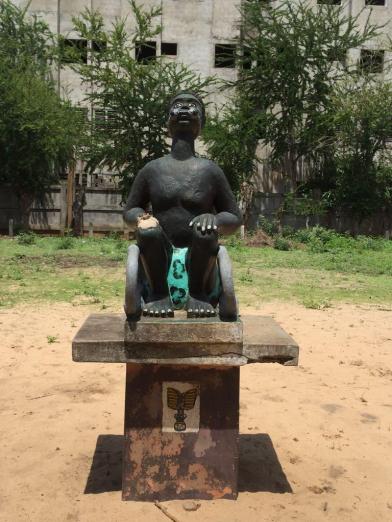
Bringing into the Global Justice Limelight the Maangamizi Agony of the Gbetowo Nationality
Gbetowo is the collective umbrella name of the Gbe Language-speaking indigenous nationality of all people of the Ewe-Fon-Adza communities now home-based in West Afrika. Among the noteworthy historians from these communities who have been writing about their people from a wide diversity of perspectives are the likes of F. Akoli, D. Amenume, Francis Agbodeka, G.K. Nukunya, Komi C. Kudzodzi, Charles M.K. Mamattah and Kodzo Gavua. The Gbetowo are to be found mostly in the countries of Ghana, Togo, Benin and Nigeria, divided by the artificial borders drawn rather arbitrarily, far away at the 1884-1885 Berlin Conference on the Scramble for and Partition of Afrika by the colonizing powers of Euro-Amerikkkan Imperialism. Minoritised in these imprisoning Bantustan nation-states of Neocolonialism that are part of the geopolitical prison-industrial complex of the Global Apartheid Coloniality of White Supremacy Racism, the Ewe-Fon-Adza communities of the Gbetowo nationality are extremely marginalized, severely discriminated against and brutally suppressed; they are repressed with the structural violence of Euro-Amerikkkan Imperialism which keeps on being dispensed through its African puppet quislings in the governmental organs and other structures of the state machinery in these countries of West Afrika today. Becoming more conscious and therefore increasingly rising up more militantly in defence of their human, peoples’ and Mother Earth rights as indigenous communities of Afrikan people, the Gbetowo are making their presence at home and abroad to be felt and therefore getting more visibly seen in the battles for participatory democratization that are growing in the countries of Ghana, Togo, Benin and Nigeria respectively.
There are diverse politico-ideological and organizational tendencies within the Ewe-Fon-Adza communities at home and abroad; with most at present still merely asking for democratic reforms and improvements in their situation in the countries of Ghana, Togo, Benin and Nigeria; while a vocal minority of others continue agitating for complete secession and some demanding various kinds of autonomy to strengthen the Gbetowo identity and national self-determination. Among all of these groupings, our ABLODEDUNOVISIHA Gbetowo Global Union for Pan-Afrikan Community Regeneration stands out for a unique position creatively advocating defence of the human, peoples’ and Mother Earth rights of the Ewe-Fon-Adza communities in unification as indigenous Afrikan people’s rights by way of championing Pan-Afrikan Reparations for Global Justice! Accordingly, ABLODEDUNOVISIHA is following its own ABLODENUDZRADONATOTRO conceptualised and designed ‘Pempamsie’ Pan-Afrikan Reparatory Justice Plan of Positive Action and therefore working diligently from the grassroots in promotion of the Pan-Afrikan liberatory unification of the Ewe-Fon-Adza communities into an autonomously self-determining national polity of ABLODEDUKO; an autonomous ABLODEDUKO polity that will initially remain inside and grow organically within but also transcendentally across the borders of the countries of Ghana, Togo, Benin and Nigeria; such an ABLODEDUKO will systematically, methodically but gradually be constituted from the organic naturing of ‘Sankofahomes’ from within the Ewe-Fon-Adza Communities of Reparatory Justice Interest (CORJIs); gradually integrating with ‘Maatubuntujamaas’ as Afrikan Heritage Communities for National Self-Determination (Maatubuntujamaa-AHCNSDs) in the diaspora of Afrika, such ‘Sankofahomes’ of the Ewe-Fon-Adza Communities of Reparatory Justice Interest on the continent will become the Gbetowo ABLODEDUKO component building blocks of the future MAATUBUNTUMAN Pan-Afrikan Union of Communities!
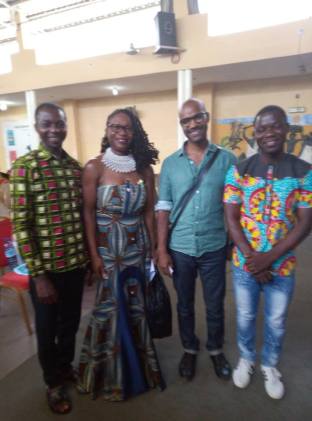 ‘
‘
ABLODENUDZRADONATOTRO’ as the Gbetowo’s own Cognitive Justice conceptualization and projection of Pan-Afrikan Reparations from their own Nunyansa indigenous knowledge perspective.
Every community’s own understanding of Reparations through its own indigenous knowledge perspectives and the self-determining strategy and tactics shaped accordingly is itself a Cognitive Justice prerequisite to its own definitive achievement of its appropriate holistic Reparatory Justice. This is exactly what our Gbetowo vibrantly display through our own Nunyansa indigenous knowledge conceptualization of Reparations as our own ‘ABLODENUDZRADONATOTRO’ self-determining Community Repairs for Rootsgrounding Change. The scholar N.K. Dzobo emphasizes the great importance the Ewe devote not to the mere acquisition of simply Knowledge as “Nunya”, but more to its Gbetowo own creative advancement through their own practical Lifelong Learning Experiences into the Wisdom of “Nyansa”; hence the concept of “Nunyansa”! We must all be mindful of the fact that Reparations would be incomplete if we failed to grasp the necessity for advancing knowledge in the praxis of unifying theory and practice into Wisdom and take into account the radical Changemaking for the better aspect of such advancement to effect true civilizational Progression. So therefore we must repair with a crystal-clear view to visionary radical Changemaking for the betterment of our whole communities. That is why we enthusiastically embrace the holistic definition and comprehensive exposition of Black self-empowering Reparations for our Afrikan people and all Black Humanity that was brilliantly advanced by Professor Chinweizu at the 27th to 29th April 1993 First Pan-Afrikan Conference on Reparations for African Enslavement, Colonization and Neocolonization held in Abuja, Nigeria.
As ABLODEDUNOVISIHA, we are progressing from the Ewe-Fon-Adza Nunyansa conceptualization and programmatic ‘Pempamsie’ design of true Pan-Afrikan Reparatory Justice as ABLODENUDZRADONATOTRO. We are making such advancement by becoming increasingly highly conscious, in the light of what Osagyefo Kwame Nkrumah argued in his “Consciencism”, of the fact that such progression of ours must have as its foundation the ultimate maximum concentration of our own Afrikan people’s indigenous knowledge power in order to best formulate the collective intellectual basis for the creativity of our Gbetowo’s own unique contributions to the successful building of the MAATUBUNTUMAN Pan-Afrikan Union of Communities. That is why we are doing so with our characteristic Gbetowo Reparatory Justice grand vision of ABLODENUDZRADONATOTRO, arising from the Nunyansa fertility creativity of our Ewe-Fon-Adza community radical imaginations; so much so that we are glocally thinking and acting with a clear Wakanda-style futuristic view; that is, the view to taking all Humanity along our adventurous flight upon the Sankofa wings of MAATUBUNTUMAN building, to courageously soar, with the greatest possible pyramid-building audacity learnt from our revered Ancestors, well beyond current horizons upwards to the loftiest glorious heights of our definitive Pan-Afrikan Internationalist Rendezvous of Global Justice Victory.
The Ewe-Fon-Adza Community indigenous Empowerment Mechanisms
Our Ewe-Fon-Adza communities intergenerationally inherit inalienable traditional core value systems of knowledge, culture and spirituality, a wholesome World outlook and ways of life and wellbeing that give us a uniquely distinctive Gbetowo community spiritedness, identity and ethos in contribution to what Osagyefo Kwame Nkrumah called the Afrikan Personality. The aforementioned systems contribute immensely, by the Nunyansa ways and means of Sankofa progression, to create, regenerate and advance various indigenous community empowerment mechanisms. Long before the disastrous colonial imposition of the Maangamizi criminality of Eurocentric Miseducation, there has been far more Cognitive Justice appropriate, meaningful and fruitful Education, training and capacity building in various aspects of Community Regeneration, Participatory Democratic Citizenship and Sustainable Development through the enforcement of the cultural values, principles and best Nunyansa practices of indigenous Gbetowo civilizational self-progression. This at large had tremendously improved and at best transformed the political and socio-economic lives of the Gbetowo nationality in the past.
Professor Ansa K. Asamoa is among those outstanding Ewe Scholar-Activists who have given quite interesting radical descriptions and exposition to the political and socio-economic historical journey of the Ewe-Fon-Adza communities of our Gbetowo nationality. Other noteworthy interesting expositions on our Gbetowo cultural practices have been made by the likes of F.K. Fiawoo, S. Mote, G. Nukunya, Kofi Nyidevu Awoonor, N.K. Dzobo, A.K.P. Kludze, E.Y. Egblewogbe, J.G. Kodzo-Vordoagu, Kafui Aku Ofori, Kofi Agawu and Godwin Agbeli. The proper continuity of such works necessitates, as our ABLODENUDZRADOSAFO Scholar-Activists are arguing, with the unanimous support of the entire ABLODEDUNOVISIHA, the systematic innovative development of complexes of mural and extra-mural education, seeking to harmonise the wide diversity of the endeavours of those operating in relevant spaces of the Establishment Academia as well as of the Grassroots Academia; so as to strive better for the glocal unification of all the Cognitive Justice endeavours of the Gbetowo and other Afrikan communities throughout the continent and diaspora of Afrika into a global Pan-Afrikan Reparatory Justice whole of Maangamizi resistant Educational Repairs! This is what shall contribute to advancing the efforts we are glocally making in exercising our own agency of popular democratic educational creativity, with modest but groundbreaking cutting-edge initiatives like the Grassroots InterLinks for Global Citizenship Action Learning (GILOGCAL); in order to galvanize similar Global Academy Commons building efforts of formations like the Afrikan Reparations Transnational Community of Practice (ARTCoP), through its work on developing the International Social Movement for Afrikan Reparations Academy (ISMARA), in collaboration with the Global Justice Institute of the Global Justice Forum (GJI-GJF), the CAFA Archival Resources Action Team (CARAT), the May Day Rooms (MDR), the Peoples’ Internationalist Fora for Inter-Community Lifelong Learning (PIFICOLL), the Peoples’ Academy of Action Learning (PAAL) and the Global Citizenship Educational Campaign for Curricula of Pluriversality (GCECCOP). We would like to see the INOSAAR as a whole playing a catalyzing role in support of these endeavours by more vigorously promoting and utilizing its remarkable Principles of Participation to harmoniously draw various progressive forces from both the Establishment Academia and the Grassroots Academia all over the World into even critical but yet constructive engagement with such endeavours of ours.
It is through such mainly groundup endeavours that our ABLODENUDZRADOSAFO is, with the support of its mother formation, the ABLODEDUNOVISIHA, making various interesting contributions from here in West Afrika to advancing the cause of Pan-Afrikan Reparations for Global Justice. Basically much attention is being channeled towards grassroots sensitization and mobilization, as for example through open activities of mass conscientization like the annual 1st August SANKOFAAPAE Pan-Afrikan Reparatory Justice International Libation Ceremony that is held in Accra, Ghana, since 2016, in link with the Afrikan Emancipation Day Reparations March on the same date every year in London, United Kingdom.
Another remarkable endeavor of ABLODENUDZRADOSAFO is its contribution to building, through VAZOBA, a strong relationship with a very select grouping of Afrikan Chiefs and other uniquely distinguished traditional leaders who are organizing themselves as the Global Afrikan Family Reunion International Council (GAFRIC). Our ABLODEDUNOVISIHA as a whole is supporting the ABLODENUDZRADOSAFO and VAZOBA in assisting the GAFRIC not only to build capacity but also to advocate for total liberation of Afrikan communities at home and abroad, with a view to having our diasporan brothers and sisters keen on Rematriation/Repatriation to having better opportunities for more knowledgeably and responsibly exercising their right to our Mothercontinent of Afrika, their right of return, in order to reunite with their families at home in the proper ways and means of true Pan-Afrikan Reparations for Global Justice. In very historic statements to the 17th March 2018 INOSAAR Conference in the Birmingham City University, two outstanding paramount chiefs in Ghana who are leading co-founding members of the GAFRIC, Togbe Adza Tekpor VII, the Osie of Avatime, and Nana Kobina Nketsia V, the Omanhen of Essikado, not only hailed the emergence of INOSAAR but also outlined areas of cooperation in working conjointly in better meaningful pursuit of Reparatory Justice for Afrikans and all other peoples of our common Humanity. We of ABLODENUDZRADOSAFO, and of the entire ABLODEDUNOVISIHA as well as the VAZOBA, have the mandate to once again reiterate to this 19th to 21st September 2018 INOSAAR gathering in Xogbonu/Hogbonu/Aja Ile here in the Republic of Benin, everything written in both statements by our two GAFRIC chiefs in furtherance of Positive Action upon them. This also relates to all the other endeavours we have been discussing and promoting through INOSAAR-RepAfrika and INOSAAR as a whole.
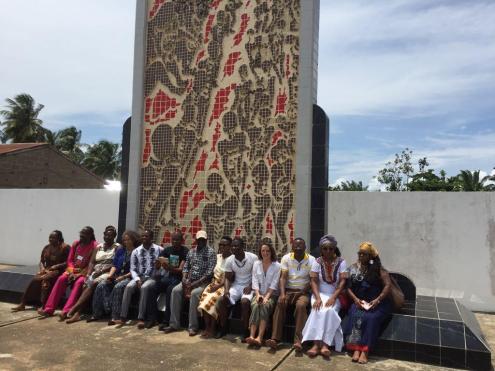
Conclusion
Among all the voices sounding calls for Afrikan Reparations, the increasing number and diversity of which are welcome to us for enriching public discourse on this key matter decisive in resolving all other issues in our contemporary World, we of the ABLODENUDZRADOSAFO are in accord with all our colleagues of the ABLODEDUNOVISIHA, the VAZOBA and the WAGPACC-INOSAAR in prioritizing and giving our greatest attention to the subaltern voices of those Frantz Fanon called the Wretched of the Earth throughout and beyond the continent and diaspora of Afrika. We do so because of our immense faith in the ability and capacity of the masses of our Afrikan people outside the corridors of currently existing machinery of state, yes, the ability of the most impoverished of the masses of our Afrikan people, like all other peoples of the World, to make History, even to do what to some may appear the impossible, as James Baldwin pointed out. We are of the strongest conviction that it is the masses of our Wretched of the Earth that shall exercise agency and play the most decisive role in taking our Pan-Afrikan Reparations for Global Justice Struggle to its definitive Rendezvous of Victory.
May we therefore conclude with an appropriately relevant axiom that Kofi Mawuli Klu and our VAZOBA colleagues of the Forum of Nkrumaist Thought and Action (FONTA) keep on reiterating to us in everything to do with all our Pan-Afrikan Reparations for Global Justice endeavours: “Do we mobilise and rely on the People in the Struggle against Imperialism in all its forms, or do we relegate the role of the masses of the People to a secondary place in this Struggle? I say that only the masses of the People can ensure Victory in our Struggle! ” From the 10th May 1965 Speech by Osagyefo Kwame Nkrumah at the Fourth Afro-Asian Solidarity Conference in Winneba, Ghana.
Akpega na mi kata!!!
MAWUSE YAO AGORKOR
Email: Mawuse.yao@gmail.com and Vazoba.afnof@gmail.com
Mawuse Yao Agorkor is a Social Justice Financial Management Practitioner and Pan-Afrikan Lifelong Learning for Global Citizenship Educationist based in Accra, Ghana, in West Afrika. His rich expertise is being glocally channeled into vibrant Scholar-Activist involvement in and engagement with various organisations, networks and campaigns in and beyond Afrika. Being a vigorous defender of human, peoples’ and Mother Earth rights, and therefore an energetic Eco-Justice promoter of Agriquacultural Lifestyles social enterprising, Mawuse’s main business occupation is working as the Chief Executive Officer of the NUNYANSABOME Pan-Afrikan Green Revolutionary Organic Permacultural Eco-Gardens (NUNYANSABOME-PAGROPEG). Considerable time of his is also devoted to serving as the General Secretary of the VAZOBA Afrika and Friends Networking Open Forum (VAZOBA-AFNOF); as well as the Principal Organising Secretary of the ABLODEDUNOVISIHA Gbetowo Global Union for Pan-Afrikan Community Regeneration(ABLODEDUNOVISIHA-GGUPACOR), under the auspices of which he plays a leading role in coordinating the ABLODENUDZRADOSAFO Global Ewe Community of Practice for Pan-Afrikan Reparatory Justice (ABLODENUDZRADOSAFO-GECOPPARJ). It is from these positions that he contributed to co-founding not only the SANKOFAAPAE Pan-Afrikan Reparatory Justice International Libation Ceremony in Accra, Ghana, but also the West Afrikan Grassroots Preparatory Action Coordinating Committee of the International Network of Scholars and Activists for Afrikan Reparations (WAGPACC-INOSAAR). He assists in glocally facilitating activities of the NKRUMAHDANFO Friends of Kwame Nkrumah International (NKRUMAHDANFO-FOKNI), the Pan-Afrikan Forum of Ghana (PAFOG), the Global Afrikan Family Reunion International Council (GAFRIC), the Global Afrikan People’s Parliament (GAPP), the Peoples’ Internationalist Fora for Inter-Community Lifelong Learning (PIFICOLL) and the Grassroots South-North Internationalist Forum (GRASSNIF). He is currently working together with the All-Afrikan Networking Community Link for International Development (AANCLID) and the Jubilee Debt Campaign (JDC) in the United Kingdom on implementing the Positive Action Programme for Pan-Afrikan Liberatory Tackling of International Debt (PAPPALTID). Among the numerous innovative endeavours of Lifelong Learning Mawuse is co-organising in collaboration with various organisations, universities and other institutions and networks of mural and extra-mural education all over Afrika and the World is the Grassroots InterLinks of Global Citizenship Action Learning (GILOGCAL).
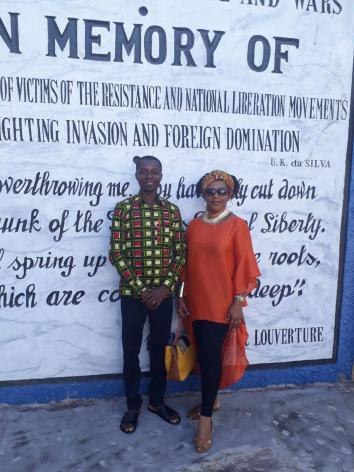
ABRIDGED VERSION
Mawuse Yao Agorkor is a Social Justice Financial Management Practitioner and Pan-Afrikan Lifelong Learning for Global Citizenship Educationist based in Accra, Ghana. He works mainly as the Chief Executive Officer of the NUNYANSABOME Pan-Afrikan Green Revolutionary Organic Permacultural Eco-Gardens (NUNYANSABOME-PAGROPEG). Considerable time of his is also devoted to serving as the General Secretary of the VAZOBA Afrika and Friends Networking Open Forum (VAZOBA-AFNOF); as well as the Principal Organising Secretary of the ABLODEDUNOVISIHA Gbetowo Global Union for Pan-Afrikan Community Regeneration (ABLODEDUNOVISIHA-GGUPACOR), under the auspices of which he plays a leading role in coordinating the ABLODENUDZRADOSAFO Global Ewe Community of Practice for Pan-Afrikan Reparatory Justice (ABLODENUDZRADOSAFO-GECOPPARJ). It is from these positions that he contributed to co-founding not only the SANKOFAAPAE Pan-Afrikan Reparatory Justice International Libation Ceremony in Accra, but also the West Afrikan Grassroots Preparatory Action Coordinating Committee of the International Network of Scholars and Activists for Afrikan Reparations (WAGPACC-INOSAAR). He also plays leading roles in glocally facilitating activities of the Pan-Afrikan Forum of Ghana (PAFOG), the Global Afrikan Family Reunion International Council (GAFRIC), the Global Afrikan People’s Parliament (GAPP), the All-Afrikan Networking Community Link for International Development (AANCLID), the Peoples’ Internationalist Fora for Inter-Community Lifelong Learning (PIFICOLL), the Jubilee Debt Campaign (JDC), the Grassroots South-North Internationalist Forum (GRASSNIF) and various other formations, including the innovative Lifelong Learning creativity groundbreaking Grassroots InterLinks of Global Citizenship Action Learning (GILOGCAL).
Selected images from the 2018 Afrikan Emancipation Day Reparations March
We see that our Afrikan Reparatory Justice efforts in general, and the work of the Afrikan Emancipation Day Reparations March Committee (AEDRMC) in particular, is now beginning to impact on British establishment political thinking; in terms of how to respond to our own community self-repair endeavours and the demands we are making, out of such endeavours, upon others. This is evidenced in the recently published Huffington Post article: ‘In the Wake of Windrush, Marking Emancipation Day is More Important Than Ever‘ by Dawn Butler MP, Shadow Minister for Women and Equalities and Labour MP for Brent Central.
It is encouraging to note that our criticism of the repugnant name of a Slavery Educational Trust which was made in AEDRMC promotional videos here and here has resulted in an attempt to rename such a proposed body to become the Emancipation Educational Trust. This still misses the whole point. Our preference for a name like the Afrikan Anti-Slavery Resistance Educational Trust (AASRET) still holds. It is mind-boggling that even some leading British Labour Party members, including MPs from our own Afrikan heritage communities, are still so engulfed by Afriphobia that they run away from including and explicitly identifying with anything Afrikan in the name of initiatives that are supposed to be about the Afrikan experience. This is even more shocking given that we are in the United Nations International Decade for People of African Descent which has the theme ‘People of African Descent: Recognition, Justice and Development.’ Indeed, there is nothing more unique to the global experience of Afrikan people other than the Maangamizi, (Afrikan Hellacaust) in relation to which this educational trust is being proposed.
So pervasive is this Afriphobia, and so strongly does the British State hold unto it, that it is inherent in the processes of white supremacy racist brainwashing through which all those selected, even from our Afrikan heritage communities, to serve in various positions of the establishment are infected with it. Hence its prevalence amongst virtually all members of the British State legislature, executive, civil and public services, judiciary, armed forces, police, intelligence and other security agencies. It appears that not only submission to but an overt display of Afriphobia is a requirement for service in the institutions and agencies of the British State. No wonder it is those selected from our Afrikan heritage communities to serve in these institutions and agencies who appear to exhibit the worst traits of Afriphobic epistemic and structural violence upon Afrikan Heritage Community people. That is why the ‘Stop the Maangamizi: We Charge Genocide/Ecocide!’ Campaign (SMWeCGEC) regards all these institutions and agencies of the British State as ‘Maangamizi crime scenes’.

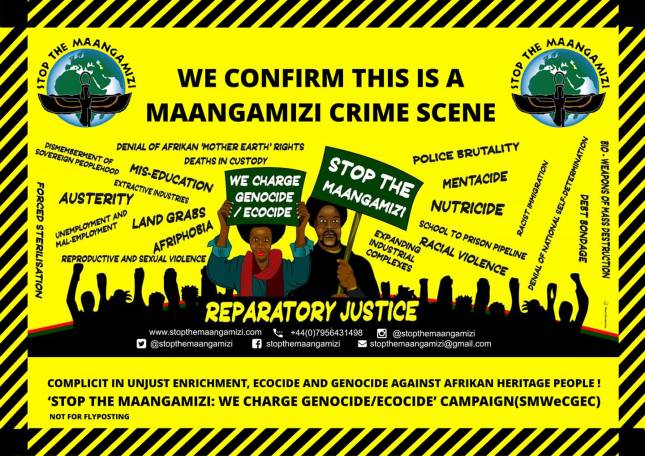
The proposed Emancipation Educational Trust will be nothing but another Maangamizi crime scene if it is established with the same intention of avoiding explicit Afrikan identification, whilst seeking to make it simply distortedly flirt with a commoditised form of Afrikan history and experiences. So, we urge Jeremy Corbyn, as leader of the Labour Party and the Party itself to study carefully, the themes and messages, which were promoted on the 1st August Afrikan Emancipation Day Reparations March: ‘Nothing About Us Without Us!: Actualizing the Reparatory Justice Change We Envisage’. It is about time the Labour Party stopped this nonsensical beating about the bush, openly confronts its deeply ingrained Afriphobic racism and seeks to honestly counteract it. This includes taking clear steps to initiate open dialogue with the legitimate grassroots representatives of our Afrikan heritage communities of reparations interest in the UK. Such representatives are clearly known through their visible work in organising endeavours such as the annual Afrikan Emancipation Day Reparations March and its related ‘Stop the Maangamizi!’ campaign activities.
The continuing attempts to evade substantive representation of our Afrikan heritage communities; by bringing members of the Labour Party far removed from such activities and also afflicted with white supremacy racist indoctrination to simply express, their ‘masters’ voices and prejudices in toying with vital matters concerning the survival of Afrikan people in the world today, such as reparatory justice, must be understood as no longer acceptable to us at all. We expect Jeremy Corbyn as leader of the Labour Party, to embrace this firm, non-negotiable standpoint of ours, against all Afriphobic expressions of the Maangamizi as part of the ‘new politics’ he promised Britain, the Commonwealth and the World.
We know Jeremy Corbyn can do better because in his laudable solidarity work for the Anti-Apartheid Movement he displayed some of his best efforts to date of internationalist solidarity with our Afrikan Liberation Struggle. We therefore hope that he will go back to such track-records of his own best practice and do the correct thing once again. The correct thing begins with him taking steps to initiate the dialogue we have been calling for by meeting, to start with, representatives from the Afrikan Emancipation Day Reparations March Committee (AEDRMC), the organisers of the annual 1st August Afrikan Emancipation Day Reparations March and their partners in the SMWeCGEC.
In Service
Esther Stanford-Xosei
Coordinator-General ‘Stop the Maangamizi: We Charge Genocide/Ecocide!’ Campaign


All images are the © copyright of Thabo Jaiyesimi and must be accredited as such
14,590 Signatures of the ‘Stop the Maangamizi: We Charge Genocide/Ecocide!’ Petition handed-in
The 6-member delegation for the 2018 hand-in of the ‘Stop the Maangamizi!’ Petition were:
From Right to Left
1. Hon. Prophet Kweme Abubaka (Afrikan Emancipation Day Reparations March Committee, Ethiopia African Black International Congress)
2. Dr Barryl Biekman, (Europe-wide NGO Consultative Council for Afrikan Reparations, Netherlands)
3. Mama Lindiwe Tsele (Pan-African Congress of Azania)
4. Ms Kambanda Veii (Ovaherero Genocide Foundation, Namibia)
5. Cllr Joshua Brown-Smith, age 12 (Office of the Young Mayor, London Borough of Lewisham)
6. Professor Gus John (Gus John Associates, Member of the African Union Technical Union Technical Committee of Experts on the 6th Region).
The delegation which handed-in the 2018 ‘Stop the Maangamizi: We Charge Genocide!’ Petition represents a selection of the diversity within our Afrikan Heritage Community. The Young, The Elders, Born on the Continent, Born in the Diaspora, Male and Female, and as in previous members some members flew in from Afrika and Europe!
#ReparationsMarch2018
#Parliament is a Crime Scene!
#StopTheMaangamizi!
See the following letter which accompanied the hand-in of the ‘Stop the Maangamizi!’ Petition



Please note, the ‘Stop the Maangamizi!’ Petition has been handed-in since 2015, in 2016 no signatures were handed in just the petition and a cover letter. In 2016, 5811 signatures were handed in, in 2017, 9636 signatures were handed in.
It is important to note that the ‘Stop the Maangamizi!’ Petition is not the only tactic we are adopting, the petition signatures accompany a Maangamizi Crime Scene sticker operation and lobbying of MPs strategy via the ‘Stop the Maangamizi!’ Postcard involving support for developing Afrikan Heritage Community advocacy on the points contained in the petition.
It is also important to note that we in the International Steering Committee Spearhead Team of the ‘Stop the Maangamizi!’ Campaign (ISC-SMWeCGEC) know that reparations will not be achieved simply by submitting this petition, if one reads the petition it is clear that this is not our thinking. In numerous articles and documents we talk about the March and the petition being part of revolutionary strategy and tactics that we are engaged in, which also involve all forms and levels of liberation struggle waged by various contingents of the International Social Movement for Afrikans (ISMAR).
The Afrikan Emancipation Day Reparations March and the annual hand-in of the petition is about building a broad public support base for consolidating the ISMAR in order to strengthen the harnessing and building of Afrikan people’s power to advance reparations to definitive victory; whiincluding the establishment of MAATUBUNTUMAN Pan-Afrikan Union of Communities.
See the following links for further info about the strategy and tactics of the ‘Stop the Maangamizi!’ Campaign in association with the Afrikan Emancipation Day Reparations March Committee:
As we approach the 3rd year of marching, what has been achieved? (2016)
https://stopthemaangamizi.com/2016/07/13/approaching-3rd-year-of-marching-what-has-been-achieved/
After 4 years of marching, what has been achieved? (2017)
https://stopthemaangamizi.com/2017/08/07/after-4-years-of-marching-what-has-been-achieved/
Rationale for Afrikan Reparations March (2018)
This video is of a workshop which took place on Friday 27th July, 2018 and provides some elaboration on the revolutionary thinking and work into for the long-term results that the March is meant to produce and to which it is already contributing.
This is a link to the initial response that was received from the Foreign & Commonwealth Office (FCO) in response to the 2017 ‘Stop of the Maangamizi!’ Petition and its covering letter, and also the further response from FCO Minister Lord Ahmad.
Greetings Supporters of the ‘Stop the Maangamizi: We Charge Genocide/Ecocide!’ Campaign (SMWeCGEC)
Last October we notified you about the launching of the International Network of Scholars & Activists for Afrikan Reparations (INOSAAR) in association with PARCOE, the Pan-Afrikan Reparations Coalition in Europe. We in the International Steering Committee Spearhead Team of the ‘Stop the Maangamizi: We Charge Genocide/Ecocide!’ Campaign (ISC-SMWeCGEC) recognise this initiative for making a significant and unprecedented contribution to developing the intellectual arsenals necessary for tackling Afriphobia and other manifestations of the genocide/ecocide; particularly its mentacide within and beyond educational institutions. We are also pleased that the SWWeCGEC is recognised in the INOSAAR Principles of Participation.
Since the launch event, the INOSAAR has had a conference in Birmingham and looks forward to two follow-up events in Senegal and a conference in Benin. One of the follow-up actions arising from the recent INOSAAR Birmingham Conference was for INOSAAR members and constituencies to support us in getting their MPs to support a meeting in the House of Parliament to discuss ‘The Academic Legitimacy of the Afrikan Case for Reparations and its Implications for British State Policy-Making’.
See this link for the template letter which you can amend accordingly and send to your own MPs if you are based in the UK. The text is also reproduced below.
Please let INOSAAR know of any progress you make with your MPs by emailing Dr Nicola Frith & Professor Joyce Hope Scott at inosaar.ed.ac.uk.
Dear [MP NAME]
I am writing as local constituent regarding a matter of concern to me as a person of Afrikan heritage/a concerned member of the public [DELETE AS APPROPRIATE].
I was horrified to recently discover that up until 2015, tax-payers in Britain, including myself as a descendant or relative of enslaved Afrikans [DELETE IF NOT APPLICABLE], were paying off a debt that was accrued as a result of the compensation awarded to British enslavers as legislated with the Slavery Abolition Act 1833 (see, for example, the article in the Bristol Post from 13 February 2018).
The opinion of experts working in the field, like Bristol-based historian David Olusoga, has strengthened my own conviction about the injustice glaringly showed in this matter (see, for example, the article published in The Guardian on 12 February 2018).
Such is the public outrage, that a petition has been started about this misuse of taxes. This increasing public interest is stimulating not only public debate, but also academic research and discourses relevant to policy-making regarding these and other pertinent issues of domestic and foreign policies.
The 17 March 2018 conference in Birmingham of the International Network of Scholars and Activists for Afrikan Reparations (INOSAAR) is an example of such activity, which is drawing together both scholars, activists and policy-campaigners to exchange perspectives on their thinking and actions about how best to address these kinds of injustices.
One recent political response has been the plan unveiled by the Labour Party for firms with links to the so-called Atlantic ‘slave trade’ to contribute to the setting up of a Slavery Educational Trust (see, for example, the article in The Standard on 23 March 2018).
In response to these developments, I am requesting your support to host a meeting in the Houses of Parliament to discuss ‘The Academic Legitimacy of the Afrikan Case for Reparations and its Implications for British State Policy-Making’.This proposed meeting in Parliament is important because, as hinted at in the ‘Refund Our Taxes’ petition, the refund of tax monies can assist the Afrikan Heritage Community to effect its own innovative ‘Pempamsie’-planning approaches to reparatory justice. In other words, Afrikan Heritage Communities will be able to design their own bespoke reparatory justice programme that will satisfy their own self-determined interests and purposes. Examples of such approaches include educational and other community self-repairs, which form a vital part of the reparative process and go far beyond paycheques to individuals and governments.
I look forward to hearing from you on this urgent matter in due course.
Yours Sincerely
[YOUR NAME & SIGNATURE]
Stop the Maangamizi: We Charge Genocide/Ecocide! Campaign International Steering Committee Spearhead Team (ISC-SMWeCGEC)
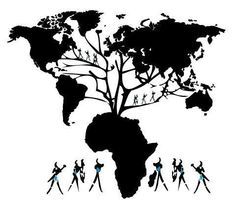
The following two statements from members of the Global Afrikan Family Reunion International Council (GAFRIC) in Ghana, express the reparatory justice perspectives of the leadership that exists for Afrikan communities of reparations interest battling the Maangamizi on the ground in Afrika. They were presented at the 17th March 2018 International Network of Scholars & Activists for Afrikan Reparations (INOSAAR) Conference in Birmingham. Most importantly, these statements from Paramount Chiefs, Togbe Adzatekpor VII and Nana Kobina Nketsia V highlight their recognition, as leading members of the GAFRIC, of the right of Afrikan people all over the world to the Continent of Afrika!
The ‘right to Afrika‘ incorporates the ‘right to return’ (repatriation) and ‘right to belong’ (rematriation) which is one process. One cannot happen without the other. It encompasses the Akan Sankofa principle of going back to fetch your Afrikan personality in material and spiritual terms all routed in the land of Afrika. The ‘Afrikan personality’, popularised by Osagyefo Kwame Nkrumah, refers to manifestations of cultural uniqueness among Afrikans as reflected in our behaviours, social norms, customs, values, beliefs, spiritual zeal, attitudes, explanations of the cosmos and the supernatural, as well as social and political systems. The right to Afrika includes the right to belong to the peoplehood of Afrika and benefit from the shared land, wealth and resources of Afrika, as well as share in her many development challenges. This does not mean that all Afrikans physically has to up and return to Afrika, but that one should be able to exercise the global citizenship rights and responsibilities of being an Afrikan.
Ultimately, it is about feeling the power of Afrika protecting us as Afrikans wherever we are in the world. However, for this to happen it is necessary to rebuild Afrika on the basis of our indigenous polities and delegitimise colonial state formations. This means rebuilding Afrika into a unified whole; integrating communities of Afrikan people from the Continent and Diaspora into a globally superpowerful polity (MAATUBUNTUMAN- Pan-Afrikan Union of Communities) based on the Continent that guarantees the collective strength, dignity and security of Afrikan people worldwide.
The statements from Togbe Adzatekpor VII and Nana Kobina Nketsia V also show the readiness of such community leaders, and their respective communities of reparatory justice interest, to contribute to repairing the disrepair of our Afrikan communities. They are doing what they can to counteract the divisive impact of the Maangamizi with policies, projects, programmes and other measures towards reunifying our Global Afrikan Family, in accordance with the imperatives of holistic Pan-Afrikan Reparations for Global Justice.
“Convinced that the pursuit of reparations by the African peoples in the continent and in the Diaspora will itself be a learning experience in self-discovery and in uniting experience politically and psychologically.”
The Abuja Proclamation: A declaration of the ‘first Abuja Pan-African Conference on Reparations For African Enslavement, Colonisation And Neo-Colonisation’, sponsored by The Organisation Of African Unity and its Reparations Commission April 27-29, 1993, Abuja, Nigeria
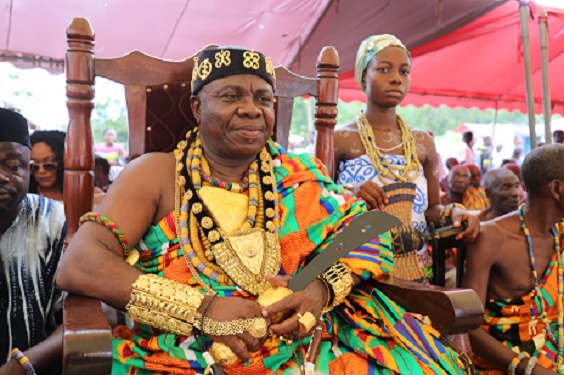
Togbe Osie Adza Tekpor VII, Paramount Chief of the Avatime Traditional Area
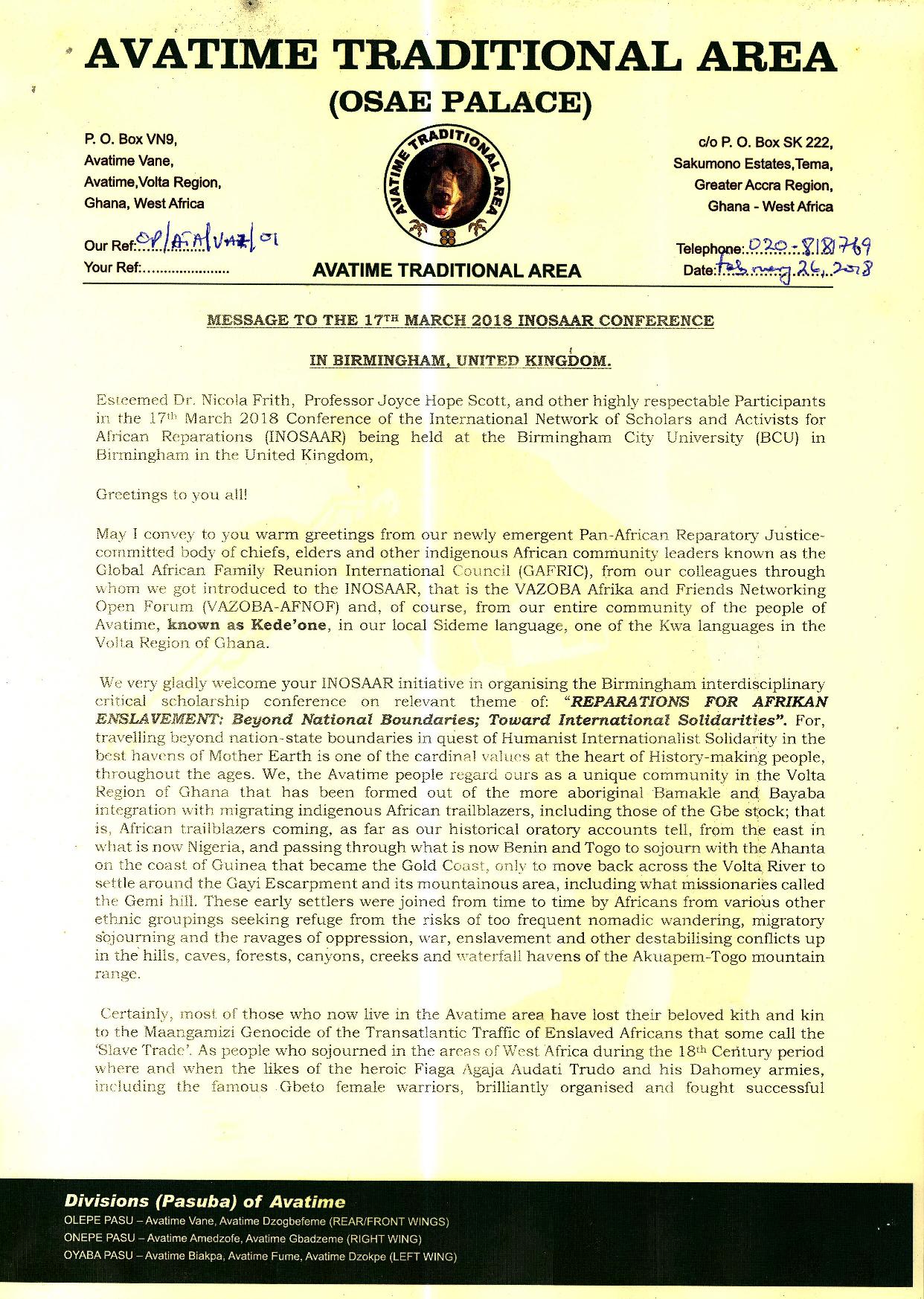

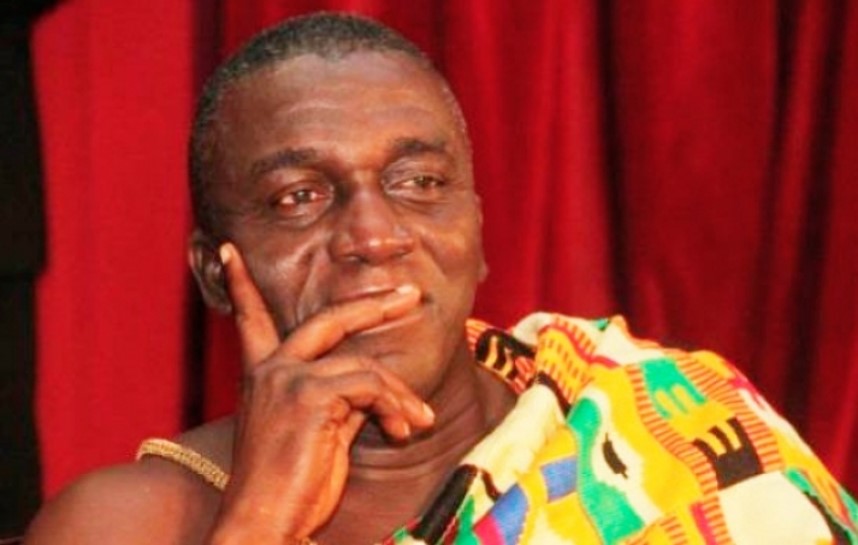
Nana Kobina Nketsia V, Paramount Chief of the Essikado Traditional Area
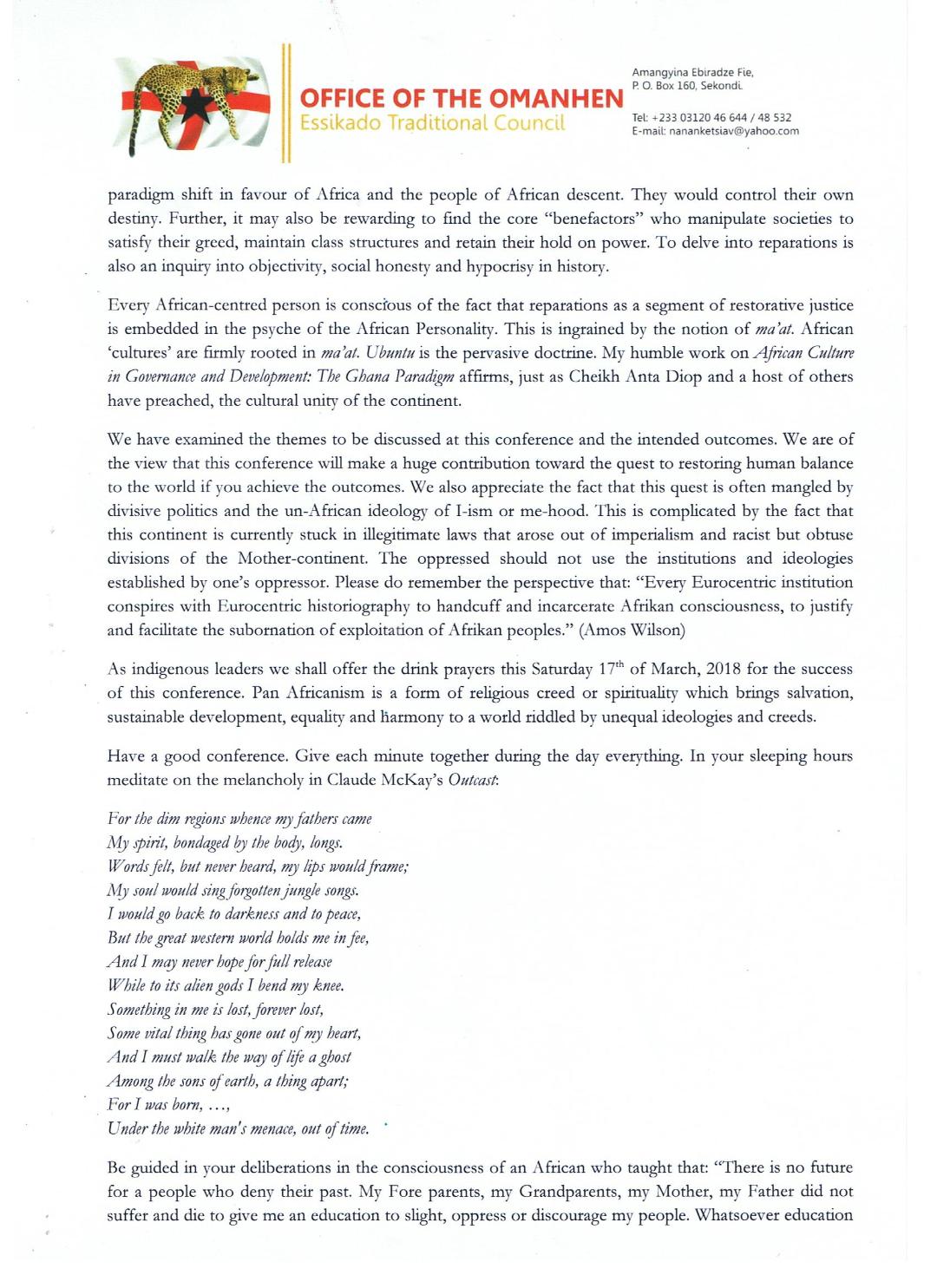
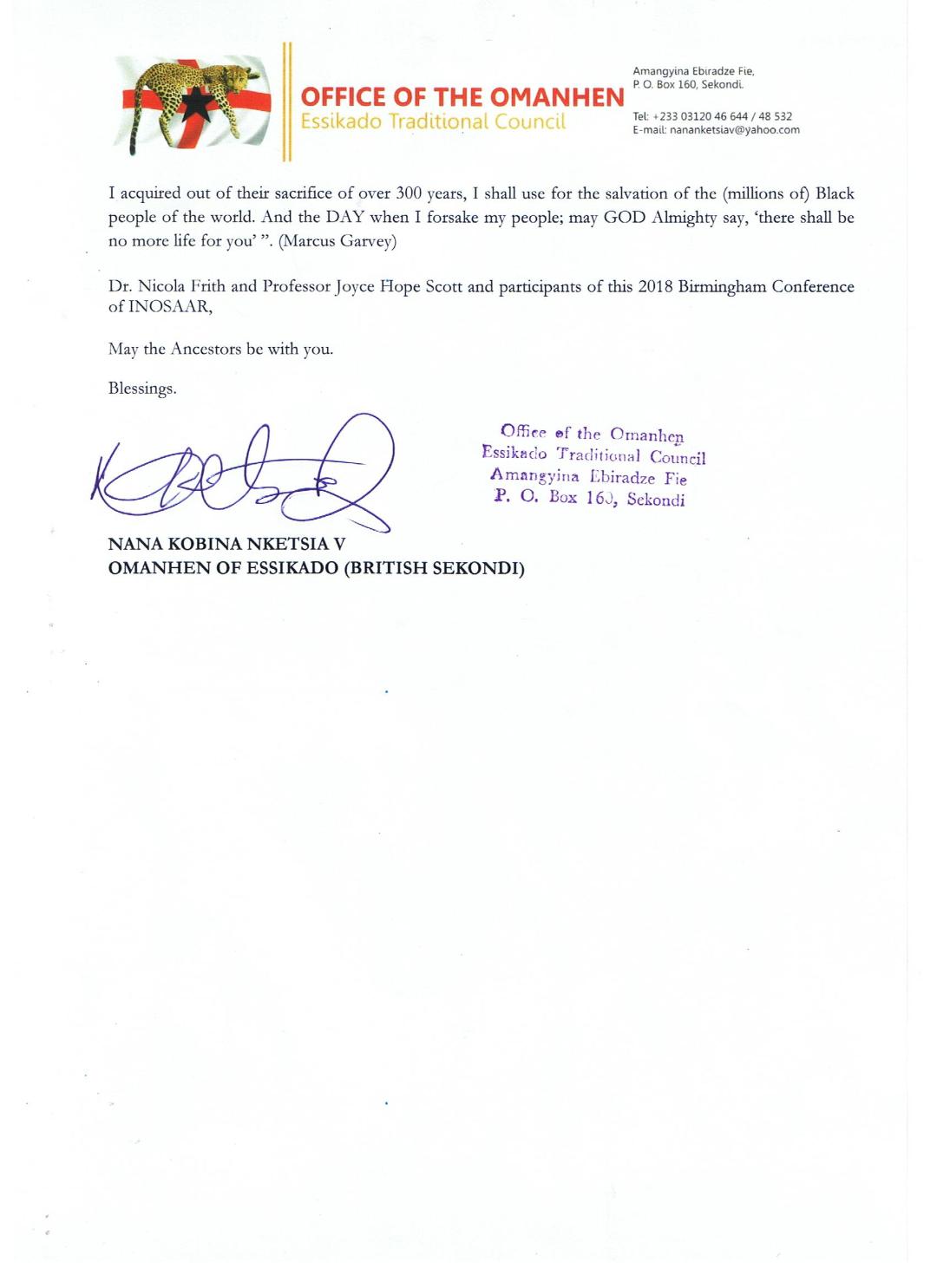
“To love Afrika, to seek the cultural freedom of Afrika and to serve the cultural truth of Afrika is to ask for death”
Nana Kobina Nketsia V
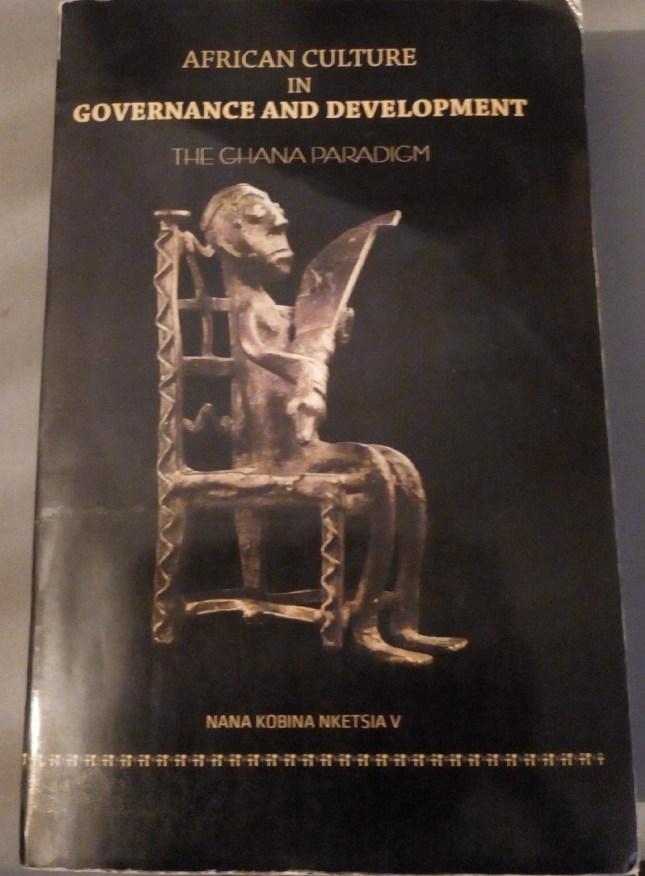
Recommended reading, ‘African Culture in Governance and Development: The Ghana Paradigm’ by Nana Kobina Nketsia V, with an introduction by Professor James Small.
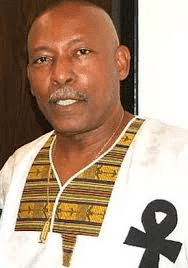
“When we look at Afrika and see whose culture we are practising, we realise how vulnerable we are to genocide because we are practising the culture of our enemies and not the culture of our ancestors. Nana Nketsia is making a case that I don’t think any opposing legal framework can defeat; a case for us to return to the ways of our Ancestors and abandon and turn our backs on the ways of the rapists, the plunderers and the murderers who have imposed on us, their culture, their history, their notion of reality and their religion; and we must make this u-turn to continue our journey, we want to go back to the womb of Mother Afrika and compose again, as her child, her dreams, her aspirations, her hopes and her future. This will allow us to have full control of the economics, politics and culture that affects lives on a daily basis. This process must include at its core, the restoration of complete confidence in us and a belief system that is based on the reality of our own experience and that of our Ancestors, which is a challenge that Nana’s work clearly identifies.
Nana is re-membering the Afrikan continent. Its members are scattered and Nana’s book is bringing them back together. That is the essence of the word ‘remember’; reconnecting the scattered members of a once collective whole to make it whole again. Nana is reminding us to bring back our Ancestors’ way of thinking that will allow us to reconstruct a dynamic path for the future.”
Taken from the introduction by Professor James Small
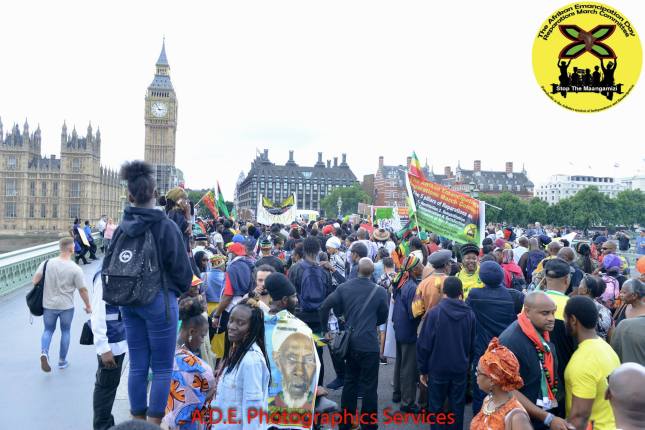
The Afrikan Emancipation Day Reparations March, as the street column of the International Social Movement for Afrikan Reparations (ISMAR) is a vehicle for mass mobilisation and education as part of our self-repair and people’s power-building process. It is also a conduit as part of an on-going parliamentary and extra-parliamentary strategy, hence the delivery of the ‘Stop the Maangamizi: We Charge Genocide/Ecocide‘ Campaign (SMWeCGEC) Petition charging the British State with the crimes of Genocide and Ecocide and demanding an end to their role in the continuing Maangamizi. The Afrikan Emancipation Day Reparations March Committee (AEDRMC), in association with the SMWeCGEC, will continue the year long process of march planning, mobilisation and organisation alongside its ‘Education is Part of the Preparation for Reparations‘ programmes in preparedness for the establishment of All-Party Parliamentary (People’s) Commissions of Inquiry for Truth and Reparatory Justice (APPCITARJs), also contained within the SMWeCGEC Petition.
You are encouraged to continue to mobilising and self-organising. The March is NOT the entire Reparations Movement so YOU need to develop complimentary reparatory justice strategies in your own groups, organisations and networks. If you would like to get more information about and/or be more involved in the ISMAR, please read on…
Given that the AEDRMC as facilitators of the annual 1st August Afrikan Emancipation Day Reparations March organising process in partnership with the SMWeCGEC are in pursuit of comprehensive holistic land-based reparations. This means our reparations as Afrikans in the Diaspora is umbilically connected to the liberation of our Motherland Afrika, restoration of her sovereignty and the self-determination of Afrikan people worldwide including the establishment of forms of non-territorial forms of autonomy in the Diaspora. We are working for the achievement of the kind of reparations that we can ALL be truly proud of. This is necessary to ensure that all of our people, (not just a few) get ‘satisfaction’ out of the results (that also includes our predecessors, our contemporaries and our posterity, i.e. those yet to be born).
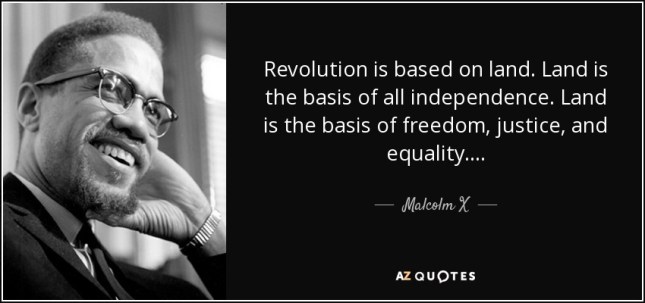
For these reasons, our means of achieving and securing this kind of reparations is by revolution starting with enhancing and developing our independent people’s power, from the ground-up, so as to ‘effect’ this kind of reparations by our own power. There is no shortcut to the freedom true reparations shall deliver to us. We want the majority of our people in the Diaspora and on the Continent of Afrika involved, as this will ensure that we collectively and cooperatively harness our people’s power to effect and secure reparatory justice in our own self-determined best interests. This is why the following are are all steps in the revolutionary achievement of true holistic reparatory justice:

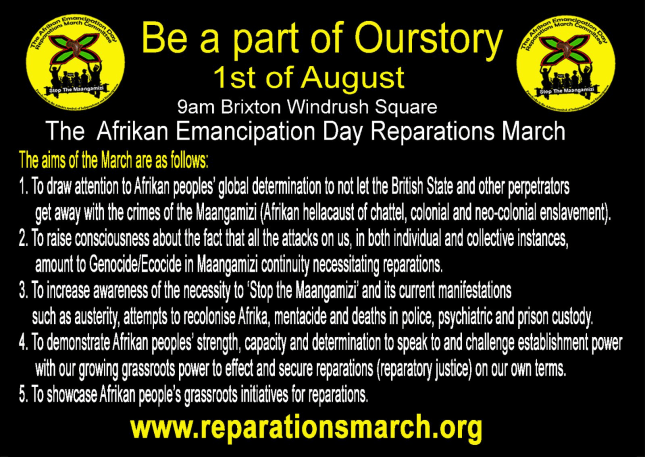
By PAFREXIT we mean, the Pan-Afrikan exit out of the global system of Euro-Amerikkkan imperialism! The more people in Europe find it difficult to endure the systemic malaise of their own European Union, as much as increasing numbers of people in North Abya Yala, (the so-called USA), are crying about the ‘American dream’ becoming more of an ‘American nightmare’, the more it becomes untenable for Afrikan people to work for their salvation as an integral part of the Euro-American Empire. So, PAFREXIT becomes necessary for Afrikan people getting out of the Babylon of Euro-America and stepping towards our MAATUBUNTUMAN: Pan-Afrikan Union of Communities throughout the Continent and Diaspora of Afrika expressing Maatubuntu dignity integrated into a holistic global superpowerful polity of Maat which practices Ubuntu in relation to her people, all of humanity and the cosmos.
Whilst everyone is free to choose their own path, those who want and are committed to achieving this holistic and transformative kind of reparatory justice for our people (and not just for us as individuals and parochial groups committed to the status quo), in the quickest possible time, are called upon to work their hardest in educating, organising and mobilising around these tasks of everyday resistance and transformative people’s power-building. This can be initiated as part of the various local and regional March Outreach Teams and Task Action Groups operating under the auspices of the AEDRMC and in support of the March in addition to the SMWeCGEC as an integral part of the ISMAR.
The Afrikan Emancipation Day Reparations March is not just a March, it is organised to advance reparations social movement-building of various constituencies within the Afrikan Heritage Communities. Priority is given to mobilising our own individual and collective ‘power to’ effect and secure reparatory justice through community organising, reparations social movement-building and institution-building.
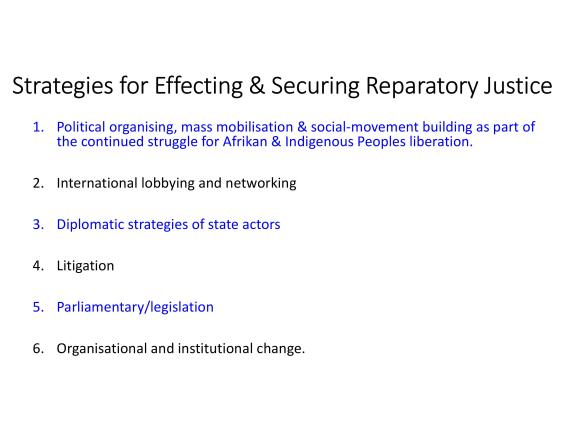
Social movement-building is the long-term, coordinated effort of individuals and organised groups of people to intentionally spark and sustain a (reparations) social movement.It entails: “the creation of movement infrastructures required for sustained organising and mobilisation, including social relationships, organisational networks and capacity, affective solidarity, as well as movement-related identities, frames, strategies, skills, and leadership.” There is a difference between organisation/institution-building and social movement-building, see here for an explanation.
See here for what has been achieved thus far after 4 years of marching.
The ISMAR is not a spectator movement that we watch others build, sacrifice for, and be repressed whilst we sit back and wait for the benefits. It demands active participation by all those who have a stake in the outcome, not only to walk its talk, but also to become, be and live the self-repairs change we desire. There are many things that you can do to get more involved and strengthen the ISMAR, through mobilising and organising as part of the various constituencies within the Afrikan Emancipation Day Reparations community of interest. The following are some suggestions:

These are some of the various representatives of the ISMAR past and present that have and are making a contribution to reparations social movement-building



Ossie Davis‘ words below are relevant to us all in seeing ourselves as part of the continuity of our intergenerational long March to the true freedom that Reparatory Justice will give all of us.
“We gotta fight!, the March to freedom, and the March to equality was in process when I was born, I just got on board. I suspect when they let me off and put me in one of those quiet places forever, the March will still be going on, and I will be able to tell history that, at least, when I was alive, there was a place for me in the line of March. You should be happy to say as much. That’s the reward for being alive, to be part of the struggle.”
Ossie Davis, Activist, Actor, Author
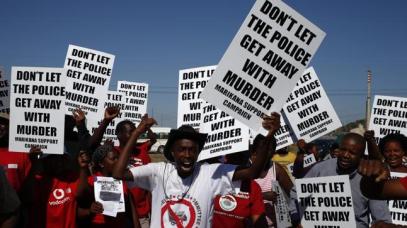
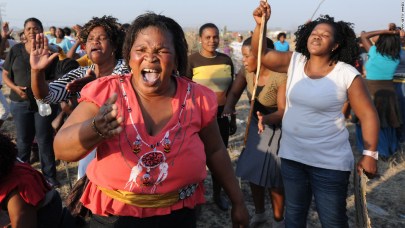
Protesters at Marikana in Azania (South Afrika)
3. Amplify the voices and defend the actions of those members and groups within specific Afrikan Heritage Communities and our various and diverse communities of reparatory justice interest who are engaged in civil disobedience and taking forms of direct action to shut down ‘Maangamizi Crime Scenes’ in Afrika and other locations in the Afrikan Diaspora. It is also important to support Afrikan liberation movements in Afrika and wherever they are found in the Diaspora, including those with operation in the UK.
4. Engage in acts of everyday resistance to the Maangamizi as it is affecting you or other Afrikan Heritage Community members. The specific manifestations that are highlighted in the SMWeCGEC Petition include:
Everyday resistance in Azania
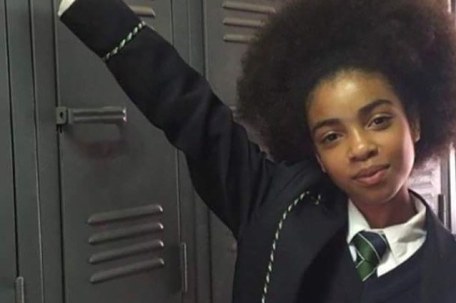
https://www.theguardian.com/world/2016/aug/29/south-africa-pretoria-high-school-for-girls-afros
5. Keep in touch with the AEDRMC and listen out for announcements about the Public Evaluation Meeting on Sunday 3rd September 2017 (venue to be confirmed), when we would like to here from you your feed-forward (reflections on and community evaluation of) the Afrikan Emancipation Day Reparations March. We would also like to hear more about the work you are doing towards effecting and securing reparatory justice, remember it is not either or, but both and much more!
Contribute to March bloc-building
6. Between the annual 1st August Afrikan Emancipation Day Reparations Marches, contribute to building and sustaining the organisation of the following blocs:
Mwakalenkonso – Revered Ancestors
Pamoja – Community
Ujamaa – Global Afrikan Family
Fiankra – Repatriation
Imani – Interfaith
Sankofasuafo – Students
Ujima – Trade Unionists
Kuumba – Artists
Ubuntu – Non-Afrikan Allies.
These blocs will continue to operate, mobilise and organise throughout the year as part of reparations social movement-building, at the core of which is the intergenerational Afrikan Liberation Movement. If this bloc-building work is sustained between the Marches, the annual Reparations March then becomes the culmination point of our year round reparations campaigning and other forms of activism, in addition to being a vehicle for publicly showcasing the strength of our organising, networks and capacity-building to advance the ISMAR.
As part of the bloc-building, please remember that the costs of emancipating ourselves from the modern-day Maangamizi are not free. Social-movement building needs resourcing, and the ISMAR is a movement that is self-funded. Fundraising to build and sustain this street colum of the ISMAR must also go on all year round. See below for how you can support the work towards facilitating the March and its related campaigning aspects by donating to the ASR fund (Afrikan Self-Repairs) of the AEDRMC: https://www.gofundme.com/ukmarch
Mwakalenkonso (Revered Ancestors) Bloc
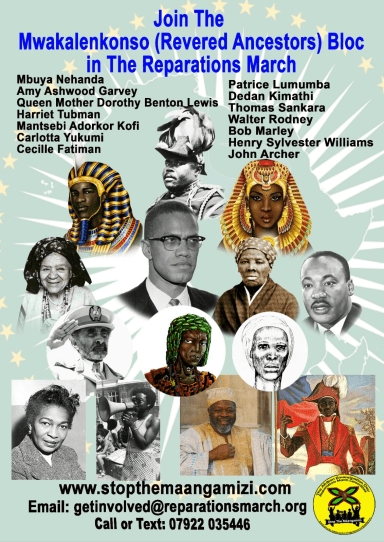
Participate in the Mwakalenkonso (Revered Ancestors) Bloc by coming to the March appropriately dressed as or otherwise symbolically representing a heroic ancestor from your own family line or a community Ancestor who has in some way been involved in resistance to the Maangamizi or advocating some form of reparatory justice. We must always remember that our people’s claims and right to reparations are based on the principle of intergenerational justice and therefore have transgenerational, transnational and intercultural dimensions. By appearing on the March visually representing or otherwise imaging revered Ancestors, one will be doing so in remembrance, honour and recognition of the interconnectedness of our Ancestor’s foundational struggles to resist the Maangamizi with our own.
This will not detract from the serious nature of the protest that we will be undertaking, however does introduce a more creative element to protest actions that are typical of marches and other forms of street action. Claims to reparations have to move beyond merely calling on the name of our Ancestors as justification for the genesis of our entitlements to redress today to truly recognising the personhood, worldviews and visions of reparatory justice of the Afrikans that were enslaved in various parts of the world. In addition, we have a duty to past generations and future generations to ensure that our reparatory justice objectives, programmes and actions bring about the holistic and transformatory redress; empowerment, repair and restoration of our people’s sovereignty. Being visually reminded of our Ancestors activism and struggles to emancipate us compels us to uphold the reparations ethics and standards of the past generations of our clan, family, or community freedom-fighters.
Imani – Interfaith Bloc
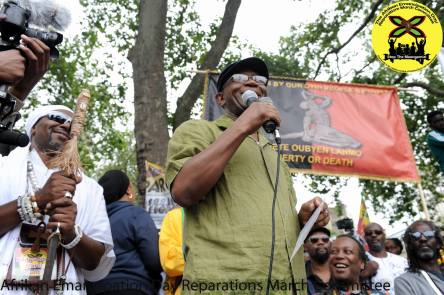
Bishop Joe Aldred @ 2016 Reparations March
You can organise a church service for ‘Reparations Sunday’ on the second Sunday, or the Sunday closest to 12th October, the European Union (EU) Day for Reparations Related to Colonisation. If you are part of another faith community then you can organise a similar activity on your preferred day of worship closest to 12th October. This action is particularly relevant for people who are interested in building the Imani-Interfaith Bloc of the March.
Those from faith communities who attend churches, mosques, temples and other religious/spiritual organisations are also encouraged to come on the March with placards displaying messages relevant to their liberation theology work, in their respective places of worship and fellowship, which are relevant to reparatory justice.
Kuumba -Artists Bloc
You can add your creative talent to producing art forms which popularise and promote the messages of the ISMAR.
An example is this track by Akala entitled Maangamizi
For further info about the blocs and how you can get involved contact the AEDRMC Tel: 07922035446/ 07597592889
Email: getinvolved@reparationsmarch.org FB page: ReparationsMarchUK
7. Continue to do as much as possible to educate yourself and your families about reparations, the history of the Movement, the diversity of the Movement, the goals, tactics and strategies of the Movement, even the internal contradictions of the Movement. One of the best ways apart from increasing your theoretical knowledge base is to engage in praxis (a cycle of theory, action and reflection that helps us analyze our efforts in order to improve our ideas) and action-learning (learning through doing). Theory without action and testing out that which we have theoretically learned produces armchair critics and/or revolutionaries. However, action without reflection produces ineffective or counter-productive activism. That’s why we advocate praxis. To assist in this process, we encourage you to look at some of the suggestions made under the ‘Take Action’ tab on the SMWeCGEC website.
This is a short article about the importance of learning within the ISMAR: https://reparationsscholaractivist.wordpress.com/2015/05/13/learning-and-education-for-a-post-african-reparations-world/.

8. If you are part of an organisation, or work add a specific reparations objective to your organisation’s aims and work on its practical realisation.
9. Engage in discussions with the support the SMWeCGEC Team on how best to support the SMWeCGEC in the realisation of its campaign goals which will take year-round activism. See if there are any of these actions that you are willing to take.
10. Continue to sign, discuss and disseminate the SMWeCGEC Petition which calls for the establishment of a UK All-Party Parliamentary Commission of Inquiry for Truth and Reparatory Justice (APPCITARJ). This petition is being used as a political tool and tactic to accompany reparations conscientisation, mobilisation and organisation.
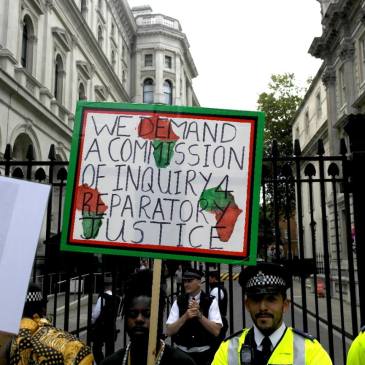
Begin preparing yourself for the All-Party Parliamentary Commission of Inquiry for Truth & Reparatory Justice
11. Prepare yourself for the APPCITARJs by beginning to do family and community research on how we and our immediate families each have suffered, continue to suffer and have also challenged the various crimes of the Maangamizi. In this regard, see the aims of the SMWeCGEC:
Afrikans in the UK and Europe organising towards establishing commissions of inquiry for truth and reparatory justice and local, national and international people’s tribunals to hold the governments of Britain, and other European countries to account. If you are able to gather such evidence you can assist us to arrive at a comprehensive assessment and a full picture of what our journeys and experiences of the Maangamizi have been across the Diaspora, as well as on the Continent of Afrika. Each person and representative of families and their communities have to become our own advocates and experts on your own situation and then we can bring all these experiences together as part of us becoming ‘reparations enforcers’ who are building the power and capacity to hold to account all those who are continuing to profit from the ill-gotten gains of the Maangamizi and are also complicit in its perpetuation today.
See the video below from the documentary ‘Freedom Summer’ for some AAPCITARJ lessons from our Shero Fannie Lou Hamer.
https://www.facebook.com/AmericanExperience/videos/10154189386704122
Hamer’s testimony had such a huge impact upon the government and public in and outside the USA, and was so powerful, that President Lyndon B. Johnson called an impromptu press conference to get her off the air. This is a recording of the full testimony and also a transcript of that testimony. Her testimony provides an example of what we envisage could be the impact similar ISMAR-coordinated grassroots testimonies by our Afrikan Survivors, Resistors and Challengers of the Maangamizi, from all over the World to the APPCITARJs in the UK Parliament of Westminster and the European Parliament. We surmise that the ‘holding to account’ referred to above can best be done in a collective way by supporting the establishment of the Ubuntukgotla, court of peoples humanity interconnectedness, otherwise known as the Peoples International Tribunal for Global Justice (U-PITGJ), which we encourage you to support the development of. This can be done through hosting sittings of the tribunal, locally, nationally and internationally. If you would like to know more about the APPCITARJ/U-PITGJ contact PARCOE on info@parcoe.com or 07751143043.
As part of the rationale for this approach, it is important to have a better sense of the historical antecedents of the SMWeCGEC in the UK, see these historic recordings from 2003 of Esther Stanford-Xosei speaking about the 2003 Black Quest for Justice Campaign (BQJC) legal & extra-legal strategy for reparations; the need for a UK commission of inquiry to address the legacies of the Maangamizi (Afrikan hellacaust of chattel, colonial and neocolonial enslavement); and the commencement of the UK version of the ‘We Charge Genocide petition and campaign’ under the auspices of then then Black United Front-Parliament (BUF-P). The second set of videos where Stanford-Xosei is interviewed, precedes in order and time the first video where Stanford-Xosei is speaking to camera.
Set up a Maatzoedzaduara
12. Set up a MAATZOEZADUARAs (i.e. Maat action-learning circles or ‘Maat Training Practice Rings’) which is a reparatory justice circle of Maat practitioners who learn to be the self-repairs change at the levels of their person, home, family, neighbourhood, workplace, school, places of leisure and worship, etc. These Maat Training Practice Rings encompass a number of families and lineages, across geographical boundaries and generations. For example, a home or family based Maat Training Practice Ring will entail getting a selected number of people in your family interested in unravelling family histories and using this knowledge to recognise and gather evidence of the harm that has been done to you as a family. the Practice Rings will also explore how such harms have been passed down throughout the generations, resulting in increasing levels of disrepair. We are looking for case studies of some of these family stories documenting family member’s lived experiences of the Maangamizi and resistance to it. This unravelling of these stories is part of the process of repairing the harm and continuing damage being done within our own families.
©www.zengarner.com
13. Creatively utilise SMWeCGEC Petition Soulsquestathons (SMWeCGE-PS), which is literally a collection of souls, for spark-rippling MAATZOEZADUARAs. The aim is to link chains of MAATZOEZADUARAs together encompassing a number of families, across geographical boundaries and generations, all over the place, as Grassroots Afrikan Reparatory Justice Action Learning Praxis Exercising Rings (GARJALPERs) of the U-PITGJ. This means that they will share their stories and practice not only testifying with these stories but also putting their cases through trial rehearsals. The key point about the Soulsquestathons is that the various participants connect to, compare and contrast their self-repairs reparatory justice work as families within these MAATZOEZADUARAs. Basically, these are intergenerational connections, not only of family members of the present, but also the past. It therefore becomes necessary for us to keep records about and bring the lives and work of our revered Ancestors into our everyday lives of the present.
It is important to see ourselves as belonging to an intergenerational continuum of Survivors, Resistors and Challengers of the Maangamizi that unless it (the Maangamizi) is stopped, will stretch indefinitely into the future. We are reminded that our society today is not merely an association of contemporaries, it extends forward and backwards in time and encompasses our family members and people of the past who sought to provide us with a just inheritance, as well as those entities who unjustly conspired to deny them their rights to pass on the fruits of their labour and sacrifices, thereby denying future generations their rightful inheritance. As Afrikan liberation leader Amilcar Cabral reminded us, “As Afrikans we firmly believe that the dead continue to walk beside us. We are a society of both the living and the dead.” Our society also consists of people of the future who will inherit what we have achieved, good and bad as well as what we have failed to redress and repair. In our justice-seeking endeavours we remain duty-bound to our revered Ancestors on whose behalf we act today, as the temporary caretakers of lineages and prosperity.
The work we can do within our own families, the SMWeCGE-PS sparkrippling and proliferation of MAATZOEZADUARAs, are the first strides of ‘Global Afrikan Reparations How Steps of Positive Action’ (GARHSOPA), which can be taken by Afrikans and all people of Afrikan heritage everywhere. This speaks to positive action steps as part of a process or methodology for moving beyond making a demand for holistic reparations to seeking to enforce such demands. This is done by us building the power and collective capacity to effect and secure reparatory justice, starting with personal and interpersonal change collectivized until it contributes to social change. Positive action therefore refers to the adoption of all legitimate democratic means by which we can cripple the pro-White supremacy forces of European imperialism and similar powers, from within and outside our communities, obstructing the free exercise of our right to effect and secure reparatory justice, by any means necessary, for ourselves.
The methods of positive action include:
(1) legitimate political agitation;
(2) media and educational campaigns; and
(3) the democratic exercise of our rights to protest, to organise agitational rehearsals of our people’s reparatory justice case through the MAATZOEZADUARAs as part of the process of establishing the U-PITGJ and pressurising the establishment at UK and European levels, resorting to various actions of non-cooperation and civil disobedience, such as the application of strikes, boycotts, occupations, declarations of expropriation of the expropriated etc. based on the principle of non-violence and organising constitutionally towards participatory democratic ‘upstandings’.
There must be clearer overstanding of the signing of the SMWeCGE Petition in a “Soulsquestathon” as meaningful only when a signatory proceeds not only to promote the diligent comprehensive study of its contents to encourage participatory mass education, but also the use of the contents for the glocal practical training and rehearsal of court proceedings in his/her home, workplace, spaces of worship, leisure sites, etc., of our Global Afrikan Family Case for Holistic Reparatory Justice, as it ought to be heard by the future U-PITGJ.
Likewise, the MAATZOEZADUARAs should also be utilised to very well prepare, by way of rehearsals and other training and educational practices, e.g. ‘SoulTruth Barings’, (where we bear our soul truthfully), and other kinds of presentations to parliamentary commissions of inquiry at local, national and international levels by Afrikan Heritage Community groups and individuals, as well as interested others from diverse communities, who desire the truthful public telling of their own germane personal, family and community stories relating to the Maangamizi. The creative popular democratic utilisation of the SMWeCGE-PS, in propelling the mass educational wide-spreading of the MAATZOEZADUARAs, ought therefore to be the kickstarting point for conscientisational agitation in stepping forward towards various self-empowering measures of self-determination to effect and secure holistic reparatory justice, by our own sovereign Afrikan people’s power throughout the continent and Diaspora of Afrika.
The MAATZOEZADUARAs are extremely important in ensuring that we proceed in our pursuit of reparations mindful of the fact that the claims and case of Afrikan reparations are based on the principle of intergenerational justice and therefore have transgenerational, transnational and intercultural dimensions. The point about any struggle including the struggle for reparations is that it comes with its own heritage, knowledge foundations and social justice traditions. So those of us in this generation who seek to be integrated into the ISMAR should not pretend as though we are coming with new ideas which have not been forged at the heart of our Afrikan and Diaspora communities of resistance seeking to reclaim our true sovereignty, wealth, livelihoods and custodianship of and the ‘right to belong’ to our Motherland and benefit from the resources generated from such land.
As the descendants and heirs of Afrikans, some of whom were martyrs, that were enslaved in previous phases of the Maangamizi, we are mindful of our ancestral responsibility to ensure that when we speak in their names we do not allow our enslaver’s visions of justice to prevail in advocating what are considered to be adequate reparatory justice. The discourse on reparations therefore has to move beyond merely calling on the name of our ancestors as justification for the genesis of our entitlements to redress today, to truly recognising the personhood, worldviews and visions of justice of our Afrikan predecessors that were kidnapped, trafficked and enslaved in Abya Yala (the so-called Americas, including the Caribbean).
We have to remember that they were sentient and rational human beings who lived under conditions in which that humanity as well as their Afrikan personalities, legal and political heritages were denied. It is no longer tenable to assume that the practice of law was alien to Afrikan peoples prior to chattel enslavement and colonisation and they operated on the basis of cultural, legal and political logics of their own. To give primacy to their enslaved status and legal and justice frameworks of their enslavers and their descendants continues their deracination, invisibilisation and dehumanisation.
According to Jurisconsult, Kofi Mawuli Klu, the use of law is one of the most important instruments of our Afrikan struggle for reparations. For Klu, the need to locate our claim to restitution for the damages caused by gross violations of Afrikan sovereignty raise for us the essential questions of whose framework, whose law and whose justice? Such an approach of social justice/community/movement lawyering includes recognising how Afrikans have and continue to exercise legal agency, define law, assert alternative conceptualisations of law and legality in addition to how resistance to unjust laws contributes to the everyday legal meaning-making and justice restoring practices that we engage in. Albeit that there are different legal models as to how to use law to create the desired reparations outcomes that we seek to achieve, the idea that reparations will ultimately be something that will be ‘won’ in a European court of law by ‘hot shot’ lawyers needs to be re-evaluated in the face of what reparations social movement history reveals.
“Progressive social movements do not simply produce statistics
and narratives of oppression; rather, the best ones do what great
poetry always does: transport us to another place, compel us to relive horrors and, more importantly, enable us to imagine a new
society. We must remember that the conditions and the very existence of social movements enable participants to imagine something different, to realize that things need not always be this way.”
Robin D.G. Kelley, Freedoms Dreams: The Black Radical Imagination, 2002, p.23
In the view of the SMWeCGEC, and its related organisational pillars, justice for Afrikan people, our ancestors and the required legal transformation to ensure it can only really happen with the political education and mobilisation of large numbers of people to challenge the systemic and structural legacies of Afrikan enslavement, colonialism and neo-colonialism. Such collective action must ultimately disrupt the Eurocentric norm of lawyers being seen as saviours or gatekeepers and seek to exceed the limits of existing law by forcing progressive change through direct action. This requires utilising legal advocacy to build and mobilise the power and leadership of grassroots communities. It does not come from the top-from legal, political or academic elites assuming that it is their ‘brain power’ that will result in a negotiated settlement or simply receiving pay-outs through legislation or courts. In fact, there are multiple tactics that social justice lawyers genuinely working to advance the cause of reparations can engage in to support the goals of the ISMAR.
Accordingly, we take the view that by charting and combining an Afrikan self-determined path of ‘legal’ recourse and struggle for reparations and community organising, it is possible to effect and secure reparations holistically defined as part of a broader social change strategy generally referred to as ‘social justice’ ‘community lawyering’ or ‘movement lawyering’. Community lawyering encourages lawyers to critically and creatively examine non-traditional forms of advocacy such as community organising and other grassroots actions as a way of addressing the unmet legal and non-legal needs of clients and stakeholders of strategic litigation. This entails engaging lawyers and other law and justice practitioners who are willing to de-emphasise litigation as the primary tool for advancing reparations goals and outcomes at the systemic, group and systemic level.
The role of a “community lawyer” also includes working in partnership with community ‘clients’ and utilising multiple forms of advocacy, including community organising, litigation, media events, community education workshops and public demonstrations to address their individual, group as well as systemic outcomes. Movement lawyering is a type of community lawyering whereby lawyers work in partnership with social movement organisations trying to bring about reparatory justice social change. Such lawyers work with organisations within a Movement to build their ‘agency‘, rights awareness and take back their power in the process of building a sustainable reparations movement.
It follows that in building our family cases as part of our Global Afrikan Case for Reparatory Justice, we have a responsibility to future generations to ensure that the decisions we make today do not negatively impact the interests or well being of the unborn and each generation to come. All of these factors should be prime considerations in establishing MAATZOEZADUARAs.
If you would like support or further guidance on setting up a MAATZOEZADUARA or initiate any other action, you think appropriate at your own individual or group effort towards reparatory justice positive action, then you can seek assistance from the OSORJALs (Open Surgeries of Reparatory Justice Action Learning) of PARCOE https://www.facebook.com/parcoeinfo, email info@parcoe.com or call: 07751143043.
Help us gather evidence of the Maangamizi
14. Help us gather evidence of and document the Maangamizi (hellacaust of chattel, colonial, and neocolonial forms of enslavement) as well as resistance to it, as it is genocidally and ecocidally impacting on our various Afrikan heritage communities today. In this regard, please share such knowledge and experiences with the SMWeCGE Campaign. Gathering such data is essential because we are building a dossier of Maangamizi crimes and resistance them in the modern era. We aim to produce a version of the original 1951 We Charge Genocide Petition edited by Afrikan American communist lawyer William L. Patterson which documents the various manifestations of genocide against Afrikan Americans in the 1940s and 1950s. This document will provide undeniable evidence of the Global Afrikan Family Case for Holistic Reparatory Justice citing the various contemporary manifestations of genocide and the ecocide that we and our lands and environment are being subjected too.
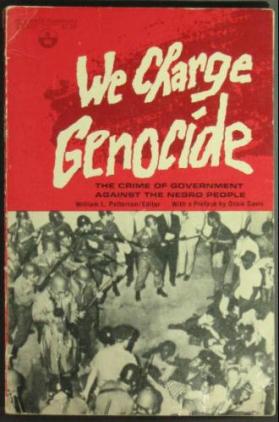
Lobby MPs and other elected public officials
15. Do what you can to implement relevant aspects of the ‘SMWeCGE Guidance For Proposals on Parliamentary Actions‘ including the Stop the Maangamizi Postcard Campaign which targets MPs for action towards establishing the APPCITARJ.
16. Vote in accordance with pro-reparations choices of candidates for elected public offices, lobby elected public officials to support reparations and the establishment of the UK APPCITARJ as contained in the SMWeCGEC Petition. For support in taking this kind of action visit https://globalafrikanpeoplesparliament.org/policy-positions/.
Prepare yourself for participating in the 2018 March
17. Begin speaking with family members, friends or colleagues about getting involved with the March & SMWeCGEC organising processes. You can start thinking and preparing for getting a group of you to attend the 2018 1st August Emancipation Day Reparations March from Windrush Square (Brixton, London) to the Houses of Parliament. Simultaneous marches take place in Afrika, the Caribbean and so-called North America.
Here are a few examples of how you can prepare yourself, families, friends, groups, organisations and communities for effectively participating in the March: prepare yourself to come with placards which visually portray and promote:
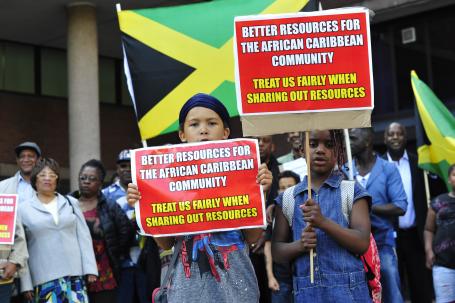
Afrikan Community Self-Repairs are the self-determined efforts that need to be made in building our own power, in such a way, that Afrikan heritage communities are able to identify and enhance ongoing work towards stopping the contemporary manifestations of the Maangamizi, which are putting the individuals, families and other social groups that make up our communities into a state of disrepair; as well as reasoning and consciously carrying out the alternative solutions for glocally rebuilding our power base as communities, in such a way that that they are eventually transformed, in accordance with the principles and programmatic demands of Pan-Afrikan Reparations for Global Justice.
So, for example:
For further info about the March and how you can get involved contact the AEDRMC Tel: 07922035446/ 07597592889
Email: getinvolved@reparationsmarch.org FB page: ReparationsMarchUK
18. Organise local, regional and international Reparations March Outreach Teams between the Afrikan Emancipation Day Reparations Marches to continue the street education and mobilisation work for reparatory justice for more info about how to go about this and ‘Education is Preparation for Reparations’ teach-ins and workshops please contact: education@reparationsmarch.org or call 07922035446/ 07597592889 .


19. Start rehearsing arguments in support of reparatory justice for the People’s Open Parliamentary Session on Afrikan Reparations (POPSAR), which was first introduced as a feature for the 2016 March. The POPSAR is a mass concientisational forum for public debate and discourse on Afrikan Reparations as a matter of critical social importance. The purpose of the POPSAR is to engage audiences in action-learning on participatory democratic parliamentary debate on critical issues such as Afrikan Reparatory Justice. Each year a different reparations related motion will be debated and people are encouraged to engage in practical rehearsals in preparation for the annual POPSAR on 1st August which takes place as part of the programme for the Afrikan Emancipation Day Reparations March.
Get involved with the grassroots acadaemia column of the ISMAR
20. Join the ARTCoP which promotes the development of grassroots scholar activists on reparations and harnesses the co-production of activist and other forms of knowledge between advocates, activists and academics on reparations. To contact ARTCoP email: artcop.edu@gmail.com.
21. Among the opportunities that the ARTCoP can open for interested participants in its activities, is training to become a volunteer researcher or advocate for the APPCITARJ and/or the U-PITGJ. This will be particularly beneficial to participants of the Sankofasuafo – Students Bloc of the Afrikan Emancipation Day Reparations March who would like to keep themselves engaged with grassroots scholar-activist work and activities relevant to their normal academic studies in between the annual 1st August Afrikan Emancipation Day Reparations Marches.
22. For more info about the reparations activist research, (PhD in history at the University of Chichester), that is being undertaken on the history of the ISMAR in the UK and other matter relevant to reparations learning, advocacy and scholarship please visit: https://reparationsscholaractivist.wordpress.com/about/.
Help to internationalise the cause of reparatory justice!
23. Contribute to the development of the Europe-wide NGO Consultative Council For Afrikan Reparations, (ENGOCCAR) and its work programmes including signing its various European language versions of the SMWeCGEC Petition in Europe addressed to the European Parliament. For further info contact engoccar@gmail.com or UK representative organisation, PARCOE or email info@parcoe.com.
24. For those from other communities (non-Afrikan) who wish to show solidarity with the cause of Afrikan reparations, you can
“If you have come here to help me, you are wasting your time. But if you have come because your liberation is bound up with mine, then let us work together.”
-Lilla Watson-


First Nation
Brother from Australia, Ghillar Michael Anderson, Convenor of the Sovereign Union of Aboriginal Nations and Peoples in Australia and Head of State of the Euahlayi Peoples Republic
Sister from Fiji, Oni Kirwin, Fiji Native Government in Exile
If you are from other Black Majority World communities, that do not necessarily define as Afrikan but would like to work in solidarity with the March as non-Afrikan allies, please connect with PECOBEAL by emailing pecobeal.ac.net@gmail.com
“It will be gross self-delusive wishful thinking to believe that those wielding the reins of White racist supremacy are going to pay and serious heed to the Afrikan demand for Reparations unless their hold on the machinery of global power is effectively challenged by the well-organised, upsurgent and self-empowering masses of Afrikan people and their allied progressive forces throughout the world.”
Kofi Mawuli Klu ‘Charting an Afrikan Self-Determined Path of Legal Struggle for Reparations’, a draft paper for presentation to the 11th December 1993 Birmingham Working Conference of the African Reparations Movement, UK, 1993.
In Livicated Service
Esther Stanford-Xosei
Coordinator-General of the International Steering Committee of the Stop the Maangamizi: We Charge Genocide/Ecocide Campaign (SMWeCGEC)
Esther Stanford-Xosei is also the Official Spokesperson for the Afrikan Emancipation Day Reparations March Committee (AEDRMC)
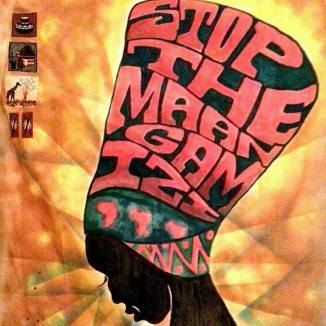
Produced in 2016 as part of the Kuumba- Artists Bloc of the Afrikan Emancipation Day Reparations March
 stopthemaangamizi.com