Greetings
Please see the attached programme for the forthcoming Afrikan Emancipation Day Reparations March taking place on 1st August 2017, Windrush Square, Brixton, London, programme commence commences 9am.
Greetings
Please see the attached programme for the forthcoming Afrikan Emancipation Day Reparations March taking place on 1st August 2017, Windrush Square, Brixton, London, programme commence commences 9am.
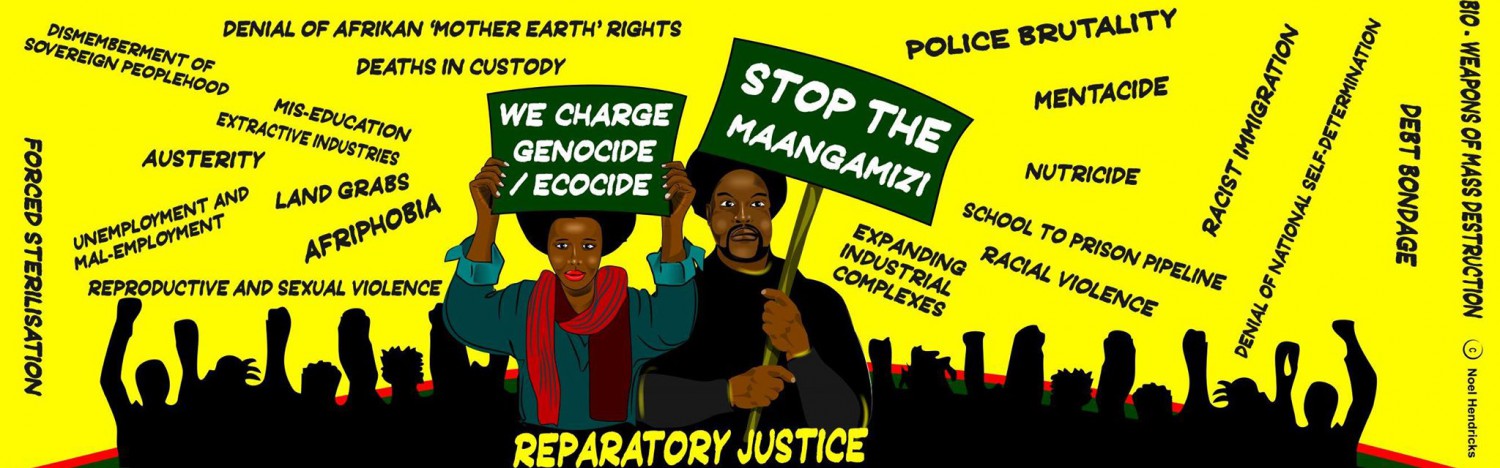
An International Call to Participate in the 1st Mosiah (August) Afrikan Emancipation Day Reparations March in Conjunction with the Stop the Maangamizi: We Charge Genocide/Ecocide Campaign (SMWeCGEC)
On 1st Mosiah (August) 2017 thousands of people will take to the streets in Europe’s biggest Afrikan Reparations March ever, marching from Windrush Square in Brixton to the Houses of Parliament, London. However, in this the fourth year of the march taking place, we aim for there to be numerous simultaneous marches and/or other reparations actions in various countries in Afrika, the Americas, the Caribbean and Europe.
You can find out more about the aims of the Afrikan Emancipation Day Reparations March here: http://www.reparationsmarch.org/
The March is partnered with the ‘Stop the Maangamizi: We Charge Genocide/Ecocide’ Campaign and you can find out more about the SMWeCGEC here:
https://stopthemaangamizi.com/
Maangamizi is a Kiswahili term for Afrikan hellacaust of chattel, colonial & neo-colonial enslavement
Why We March on 1st August
“Accepting our responsibility and obligation to our Ancestors for ensuring that the Afrikan identity is proclaimed, maintained and developed; and that Afrika is restored to its rightful place at the centre of world politics; call upon all people of Afrikan origin in the Caribbean, Afrika, Europe, the Americas and elsewhere to support the movement for reparations and join forces with a view to forming a strong united front capable of exposing, confronting and overcoming the psychological, economic and cultural harm inflicted upon us by peoples of European origin.”
Birmingham Declaration, Africa Reparations Movement (UK), 01/01/94
The 1st of August has been chosen as the day of the reparations march because it is the officially recognised “Emancipation Day”, marking the passing of the Act for the Abolition of slavery throughout the British Colonies; for promoting the industry of the manumitted slaves; and for compensating the persons hitherto entitled to the service of such slaves (also known as the Slavery Abolition Act) on 1 August 1833 and took effect 1 August 1834. The significance of this date in history is that it is the date that after all the years of resistance by chattelised Afrikans, torn away from our Motherland, Britain and its fellow European enslavers of Afrikan people were compelled to recognise that they could no longer continue to enslave us without severe consequences. It therefore represents a symbolic day recognising our refusal to accept enslavement, in every manner, including its present-day manifestations.
Contrary to popular belief, however, the Slavery Abolition Act did not free the 800,000+ Afrikans who were then unjustly considered to be the legal property of Britain’s enslaving class. In fact, the act contained a provision for £20 million financial compensation to the enslavers, by the British taxpayer, for the loss of their so-called “property”. That sum represented 40% of the total government expenditure for 1834, the modern equivalent of between £16bn and £17bn and represented the largest bailout in British history until the bailout of the banks in 2009. It was the British Houses of Parliament, which in this unjust piece of legislation, upheld the notion that the Afrikan enslaved and their descendants were not human, but property and determined that the 800,000 people in the Caribbean were assessed as having a market value of £47 million.
The British Parliament also determined that enslaved Afrikans in the Caribbean would receive nothing. Instead they were forced, through the provision of this unjust law, to pay the remaining £27 million costs for their so-called emancipation by providing 45 hours of unpaid labour each week for their former ‘masters’, for a further four years after the passing of the Abolition Act. Clearly, the British state cemented this legalised form of injustice by forcing the enslaved to pay part of the costs for their legalised ‘manumission’. In practical terms, however, only enslaved persons below the age of six were manumitted as all enslaved persons over the age of six were redesignated as “apprentices”.
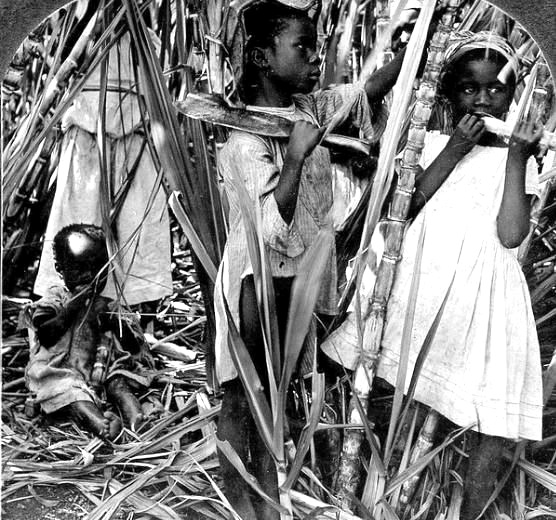
Girls On Sugar Plantation: Trinidad
So, in remembrance and continued resistance to this legalised form of injustice, which further entrenched the impoverishment of our foreparents in various parts of the British Empire, we the illustrious Sons and Daughters of Global Afrika have to mobilise ourselves in a united front and effort to engage in the galvanising of our people in a collective ‘show of strength’. The issue of securing justice by way of reparations for Afrikan slavery, colonialism and neo-colonialism and their legacies requires developing a glocal Afrikan perspective and organising framework. We are calling on you to do join the March in demonstration of our principled operational unity on the cause of holistic reparations for Afrikans both at home and abroad.
Promoting the Reparatory Justice Change We Are Organising to Bring About
“Progressive social movements do not simply produce statistics
and narratives of oppression; rather, the best ones do what great
poetry always does: transport us to another place, compel us to relive horrors and, more importantly, enable us to imagine a new
society. We must remember that the conditions and the very existence of social movements enable participants to imagine something different, to realize that things need not always be this way.”
Robin D.G. Kelley, ‘Freedoms Dreams: The Black Radical Imagination’, (2002), p.23
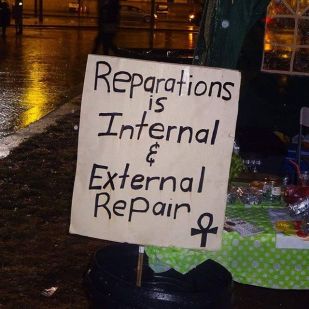
For this year’s Reparations March we will be building on the Afrikan Emancipation Day Reparations March Committee’s (AEDRMC) motto of ‘Education is Part of the Preparation for Reparations’ as part of the mobilisation and consciousness raising of our people towards playing their part in efforts to enforce the stopping of the Maangamizi, in this neo-colonial phase, in the process of effecting and securing holistic and trasnformative reparatory justice. We are doing so by encouraging those attending the March to promote, in a concrete, visual and informative/educational way, the reparatory justice organising work that they are engaged in year-round. What this means is that we encourage you to represent, profile and display the reparations solutions that you advocate and are involved in mobilising and organising to bring about all year-round.
Here are a few examples of how you can prepare yourself, families, friends, groups, organisations and communities for effectively participating in the March:
(1) Come with placards which visually portray and promote:

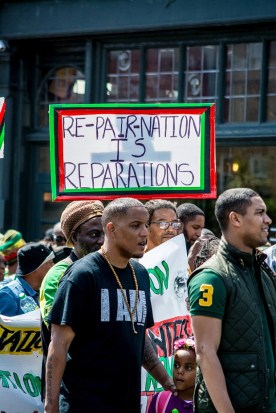
Afrikan Community Self-Repairs are the self-determined efforts that need to be made in building our own power, in such a way, that Afrikan heritage communities are able to identify and enhance ongoing work towards stopping the contemporary manifestations of the Maangamizi, which are putting the individuals, families and other social groups that make up our communities into a state of disrepair; as well as reasoning and consciously carrying out the alternative solutions for glocally rebuilding our power base as communities, in such a way that that they are eventually transformed, in accordance with the principles and programmatic demands of Pan-Afrikan Reparations for Global Justice.
So, for example:
(2) Participate in the Mwakalenkonso (Revered Ancestors) Bloc by coming to the March appropriately dressed as or otherwise symbolically representing a heroic ancestor from your own family line or a community Ancestor who has in some way been involved in resistance to the Maangamizi or advocating some form of reparatory justice. We must always remember that our people’s claims and right to reparations are based on the principle of intergenerational justice and therefore have transgenerational, transnational and intercultural dimensions. By appearing on the March visually representing or otherwise imaging revered Ancestors, one will be doing so in remembrance, honour and recognition of the interconnectedness of our Ancestor’s foundational struggles to resist the Maangamizi with our own. This will not detract from the serious nature of the protest that we will be undertaking, however does introduce a more creative element to protest actions that are typical of marches and other forms of street action. Claims to reparations have to move beyond merely calling on the name of our Ancestors as justification for the genesis of our entitlements to redress today to truly recognising the personhood, worldviews and visions of reparatory justice of the Afrikans that were enslaved in various parts of the world. In addition, we have a duty to past generations and future generations to ensure that our reparatory justice objectives, programmes and actions bring about the holistic and transformatory redress; empowerment, repair and restoration of our people’s sovereignty. Being visually reminded of our Ancestors activism and struggles to emancipate us compels us to uphold the reparations ethics and standards of the past generations of our clan, family, or community freedom-fighters.
Here are a few examples of community Ancestors, (can you guess who they are):

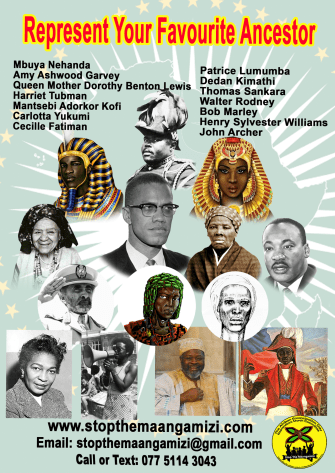
(3) Participate in the Ujaama (Global Afrikan Family) Bloc by visually displaying and portraying national and country flags, national dress, national heroes and sheroes, Martyrs etc. as well as organisational emblems, motifs and pictures of reparatory justice struggles of our peoples resisting the Maangamizi in various parts of the world including, Afrika, Abya Yala (so-called Americas,) and its sub-regions such as the Caribbean, Australasia, Oceania, Europe etc.
(4) Of course, we are also relying on you to assist in the general mobilisation towards getting people to come on the March, from all sectors within our communities. Each one invite and attend with many!
Ujaama – Gobal Afrikan Family Bloc
If you would like to participate internationally by amplifying the voices of Afrikan heritage reparatory justice communities of interest and their struggles to emancipate our people from the continuing Maangamizi worldwide, you can do so by participating in the Ujaama – Global Afrikan Family Bloc. If you would like to take part in the Ujaama Bloc please call or text Bro Kofi on 07751143043 or emailing stopthemaangamizi@gmail.com
Mwakalenkonso – Revered Ancestors Bloc
If you are in the UK and would like to participate in the Mwakalenkonso – Revered Ancestors Bloc please text or call Bro Simeon/Sis Nishika on 07751143043 or email stopthemaangamizi@gmail.com.
Take a look at this video to hear more about the importance of the March viz-a-viz wider reparations social movement-building.
In order to increase impact, we also encourage you to innovatively think for yourself and consult with the AEDRMC, as organisers of the March, on your own ways and ideas of adding to the creativity of expressing, on this March, the reparatory justice change you/we are mobilising and organising to bring about.
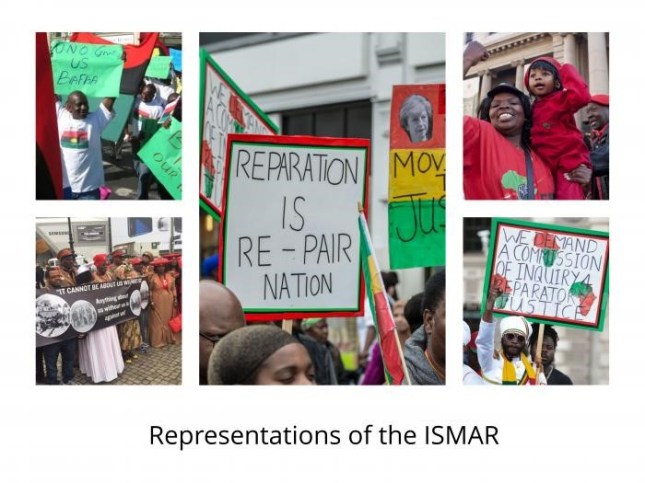
Help us to Sustain the March as the Street Column of the International Social Movement for Afrikan Reparations (ISMAR)
Between the annual 1st August Afrikan Emancipation Day Reparations Marches, you can contribute to building and sustaining the organisation of the following blocs:
• Mwakalenkonso – Revered Ancestors
• Pamoja – Community
• Ujamaa – Global Afrikan Family
• Fiankra – Repatriation
• Imani – Interfaith
• Sankofasuafo – Students
• Ujima – Trade Unionists
• Kuumba – Artists
• Ubuntu – Non-Afrikan Allies.
These blocs continue to operate, mobilise and organise throughout the year as part of reparations social movement-building, locally, nationally and internationally at the core of which is the intergenerational Pan-Afrikan Liberation Movement. A reparations social movement-building approach challenges reparations organisations, campaigning and/or special interest groups and the general Afrikan public heritage to critically assess how we have organised ourselves to achieve our short to medium term reparations goals. In particular, it enables ISMAR (reparations movement) participants to explore their political agendas, involvement of constituents and strategies for collective action underpinned by processes of individual, collective and organisational reflection.
By using a movement-building approach, constituencies of the ISMAR can increase the efficacy of the ISMAR by incorporating an analysis of power and learning from the successes and failures of previous and existing efforts to effect and secure reparatory justice. Admittedly, we are faced with the huge challenge of building the power, locally, nationally and internationally to bring about, compel and influence the reparations goals and outcomes we as Afrikans have set for ourselves. However, the multifaceted processes of mobilisation and organising that take place related to the March are part of this process of building community power to effect and secure the reparatory justice processes we set ourselves in the short, medium and long-term.
“Unless our struggle leads to the Pan–Afrikanist revolutionary, concientisation and mobilisation of the broad masses of Afrikan people throughout the Continent and the Diaspora to achieve first and foremost their definitive emancipation from the impeding vestiges of colonialism and the still enslaving bonds of present day neocolonialism, to smash the yoke of white racist supremacy and utterly destroy the mental and physical stranglehold of Eurocentrism upon Afrikans at home and abroad delinking Afrika [and Afrikans] from imperialism…we shall have no power to back our claim for restitution and to give us the necessary force of coercion to make the perpetrators of the heinous crimes against us to honour the obligations of even the best fashioned letter and spirit of international law.”
Kofi Mawuli Klu, ‘Charting an Afrikan Self-Determined Path of Legal Struggle for Reparations’, a draft paper presented to the 11th December 1993 Birmingham Working Conference of the African Reparations Movement, UK, (1993)
The most transformative of movements for reparations have generally represented a form of ‘prefigurative politics’ which means movement participants organise as if they are already in the process of bringing about the Post-Afrikan Reparations World Order by taking steps to bring about the inter and intra-Afrikan community self-repairs required for us to become whole and guarantee community’s members collective security and prosperity. This speaks to the principle that reparations activists and reparations organisations should model in their present-day lives and work the new values, institutions and social relationships they advocate for on a broader scale, as part of their strategy for effecting and securing the reparatory justice social change sought. In other words, becoming and modelling the change we want to see in the world. This is generally taken to mean that we who are proponents of reparatory justice, have a moral duty have to strive to reflect the kind of society we are fighting for in our lifestyle, families, organisations, special interest groups, movements and communities etc.
If this bloc-building work is sustained between the marches, the annual Afrikan Emancipation Day Reparations March then becomes the culmination point of our year-round community self -repairs work, reparations campaigning and other forms of activism. In addition, the March is being a vehicle for publicly showcasing the strength of our organising, networks and capacity-building to strengthen and advance the ISMAR.
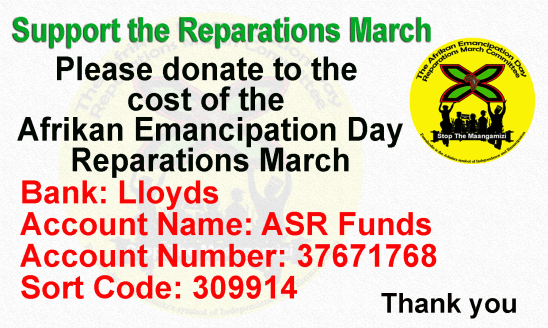
As part of the bloc-building, please remember that the costs of emancipating ourselves from the modern-day Maangamizi are not free. Reparations social-movement building needs resourcing, and this is a movement that is self-funded. Fundraising to build and sustain the March, as the street column of the ISMAR, must also go on all year round. You can support the work towards facilitating the March and its related campaigning aspects by donating to the ASR Fund (Afrikan Self-Repairs) of the AEDRMC. If you would like to donate to the costs of the Reparations March donate at: https://www.gofundme.com/ukmarch.
Alternatively, you can make a contribution to the ASR Fund as follows:
For further info about the rest of the blocs and how you can get involved contact the AEDRMC:
Tel: 07922035446/ 07597592889 Email: getinvolved@reparationsmarch.org
Instagram: The March UK
FB page: TheMarch August
“Fully persuaded that the damage sustained by the Afrikan peoples is not a ‘thing of the past’ but is painfully manifest in the damaged lives of contemporary Afrikans, from Harlem to Harare, in the damaged economies of the Black World from Guinea to Guyana, from Somalia to Surinam.”
A declaration of the first Abuja Pan-Afrikan Conference on Reparations for Afrikan Enslavement, Colonisation and Neo-Colonisation, sponsored by the Organisation of African Unity and its Reparations Commission April 27-29, 1993, Abuja, Nigeria
You Can Still Participate If You are Outside of the UK
We invite you to also organise a solidarity march or event in your locality or country on the 1st August 2017. If you are not able to organise a march, we encourage you to organise some other type of solidarity reparations action, activity or event such as: a libation ceremony (as occurs annually in Accra, (Ghana), rally, reparations radiothon e.g.#Conversation Reparations (as occurs in the USA) or reparatory justice ‘occupations’ of specific places with connections to the Maangamizi, in the past or the present. For example, companies, university campuses or historic building sites.
Even if your community were not enslaved or colonised by the British Empire, you can still connect with what we are doing in the UK by highlighting and educating people about the British Establishment’s complicity in the Maangamizi as it affects and impacts on your personhood, family and/or community. Examples of such impacts may include, land grabs, extractive industries, environmental degradation, GMOs, tax-dodging and other forms of corporate looting, debt-bondage, various forms of externally reinforced reactionary violence such as US-AFRICOM presence proxy wars in addition to so-called ‘Black on Black’ violence in self-destructive subservience to the global system of white supremacist racism, including its gendered forms.
At minimum, please consider sending a solidarity statement to info@reparationsmarch.org. or stopthemaangamizi@gmail.com
“Afrika is a paradox which illustrates and highlights neo-colonialism. Her earth is rich, yet the products that come from above and below the soil continue to enrich, not Afrikans predominantly, but groups and individuals who operate to Afrika’s impoverishment.”
Osagyefo Kwame Nkrumah
In West Afrika?, You Can Participate in the SANKOFAAPAE Pan-Afrikan Reparatory Justice International Libation Ceremony in Ghana
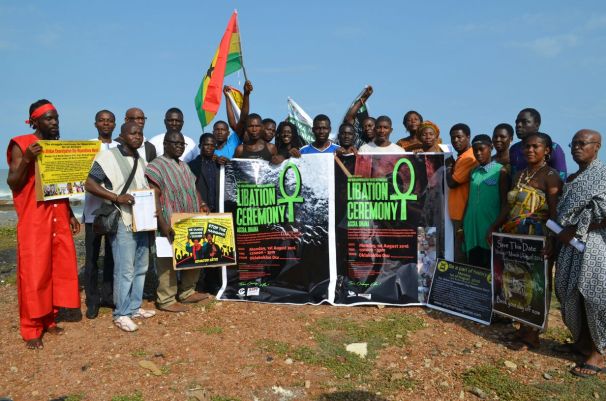
We as organisers of and participants in the Afrikan Emancipation Day Reparations March, highly appreciate what is being in Ghana and encourage all those interested in the March living in Ghana or West Afrika to help build and strengthen this satellite process in Ghana and extend it into the countries in which you live, if you are not resident in Ghana. The SANKOFAAPAE Pan-Afrikan Reparatory Justice International Libation Ceremony (SANKOFAAPAE-PARJILC) is a strictly non-party political activity of various grassroots progressive forces of Pan-Afrikan civil society which are independently mobilizing for the ground-up popular education, reparatory justice civic conscientization and its relevant human, peoples’ and Mother Earth rights awareness raising among ordinary masses of peoples throughout the World to achieve our vision of Pan-Afrikan Reparations for Global Justice.
We recognise this SANKOFAAPAE as a unity promotional endeavour, of global dimensions, for connecting into the global Pan-Afrikan reparatory justice struggle, the efforts being made by various in Afrikan communities to assert their rights to self-determination and reconstruction of nationhood including overcoming the divisions imposed by the artificially created European borders and other manifestations of the Maangamizi that continue into the present to the detriment of their Afrikan personality, humanity and sovereignty.
Examples of such national self-determinist endeavours with reparatory justice bearings which seek to overcome the divisive colonial 1885 boundaries of the Congress of Berlin and counter the ensuing Euro-centric economic and geopolitical interests which have been inimical to the aspirations of Afrikans include, but are not restricted to:
The SANKOFAAPAE is also relevant to providing global visibility for such self-determination battles and the communities waging them in order to facilitate Pan-Afrikan internationalist solidarity for them, including enabling them to participate in efforts of rematriation*/voluntary repatriation as part of Pan-Afrikan reparatory justice. In so doing, Afrikans from the Diaspora can reintegrate into such communities and make their contributions to ensuring recognition, justice and sustainable development in accordance with the ‘Right to Afrika’ which we are promoting as the most vital aspect of the UN ‘International Decade for People of African Descent’.
*The Indigenous concept of Rematriation refers to restoring a living material culture to its rightful place on Mother Earth; restoring a people to a spiritual way of life, in sacred relationship with their ancestral lands; and reclaiming ancestral remains, spirituality, culture, knowledge and resources.
If you are in Ghana/West Afrika and would like to participate in the Libation Ceremony contact Bro Mawuse on + (233) 203 790 105 or email Bro mawuse.yao@gmail.com
“Convinced that the pursuit of reparations by the Afrikan peoples in the continent and in the Diaspora will itself be a learning experience in self-discovery and in uniting experience politically and psychologically.”
A declaration of the first Abuja Pan-Afrikan Conference on Reparations for Afrikan Enslavement, Colonisation and Neo-Colonisation, sponsored by the Organisation of African Unity and its Reparations Commission April 27-29, 1993, Abuja, Nigeria

How You Can Support the ‘Stop The Maangamizi’ Campaign (SMWeCGEC) in between the Marches
You can still sign the ‘Stop the Maangamizi’ Petition which gets handed in to the Office of the UK Prime Minister each year as a key feature of the annual Reparations March. The Petition is also available in several other European languages including French, Dutch and German.
If you are in the UK you can also lobby your local MP or elected official to take action on the key demands of the SMWeCGEC by utilising this postcard template.
You can take action on the SMWeCGEC in many other ways, see here for some suggestions.
Paraphrasing, our great Arikan Liberator Marcus Mosiah Garvey, who reminded us almost 100 years ago, “Up you mighty people, you can accomplish what you will!”
In Livicated Service, Struggle & Solidarity
Esther Stanford-Xosei,
Official Spokesperson, Afrikan Emancipation Day Reparations March Committee (AEDRMC),
Coordinator-General of the International Steering Committee, Stop the Maangamizi: We Charge Genocide/Ecocide Campaign (SMWeCGEC)
Jendayi Serwah,
Co-Chair, AEDRMC, Co-Vice Chair SMWeCGEC
Prophet Kwaku, Co-Chair, AEDRMC
“It will be gross self-delusive wishful thinking to believe that those wielding the reins of White racist supremacy, are going to pay and serious heed to the Afrikan demand for Reparations, unless their hold on the machinery of global power is effectively challenged by the well-organised, upsurgent and self-empowering masses of Afrikan people and their allied progressive forces throughout the world.”
Kofi Mawuli Klu ‘Charting an Afrikan Self-Determined Path of Legal Struggle for Reparations’, a draft paper presented to the 11th December 1993 Birmingham Working Conference of the African Reparations Movement, UK, (1993)
Greetings
Do you want to take action to get redress for the Maangamizi (Afrikan ‘Hellacaust’ of chattel, colonial and neo-colonial forms of enslavement) as it affects you, your family and community?
Here is an example of how you can do so; see the revised ‘Stop the Maangamizi!’ postcard template, which we urge you to send to your MP, you can find out details about your MP here.
The postcard is one tool aimed at enabling you to better lobby and engage with establishment decision-makers about including Maangamizi impact issues as they affect you, your family and community in the constituency representational work and local, national and international policy-making they prioritise.
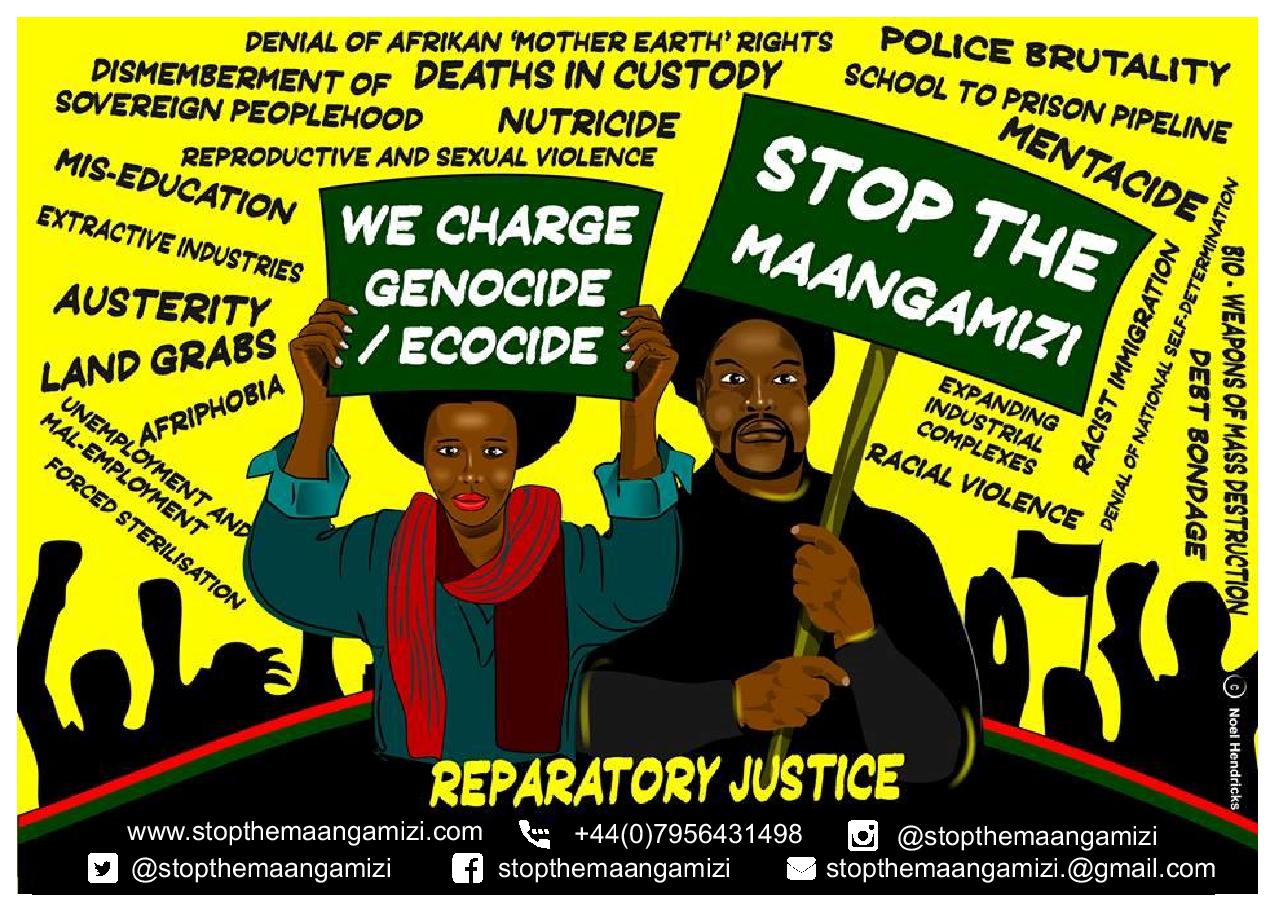

Please keep us updated about any progress you make as we are beginning to map which MPs are responding positively to the campaign aims.
Stop the Maangamizi: We Charge Genocide/Ecocide! Campaign (SMWeCGEC) Spearhead Team
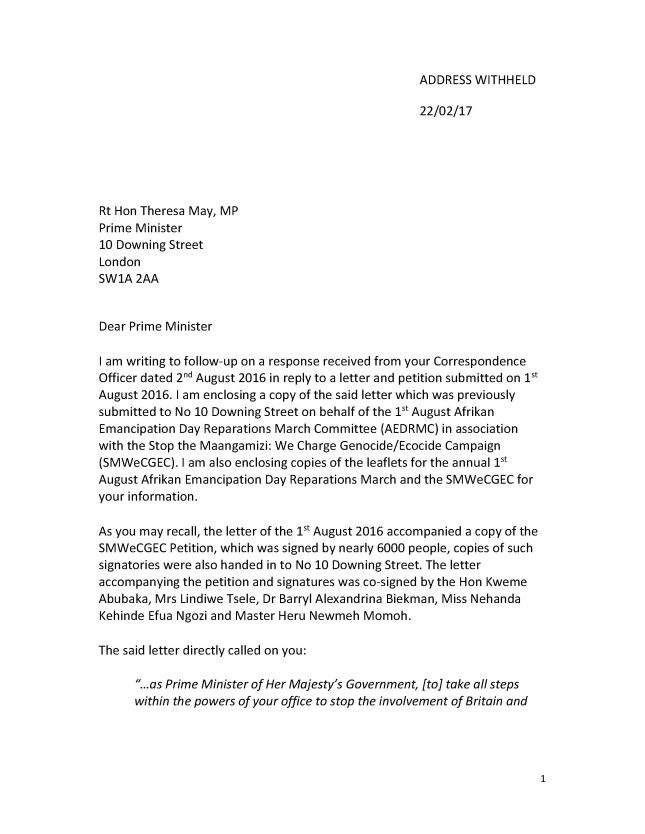
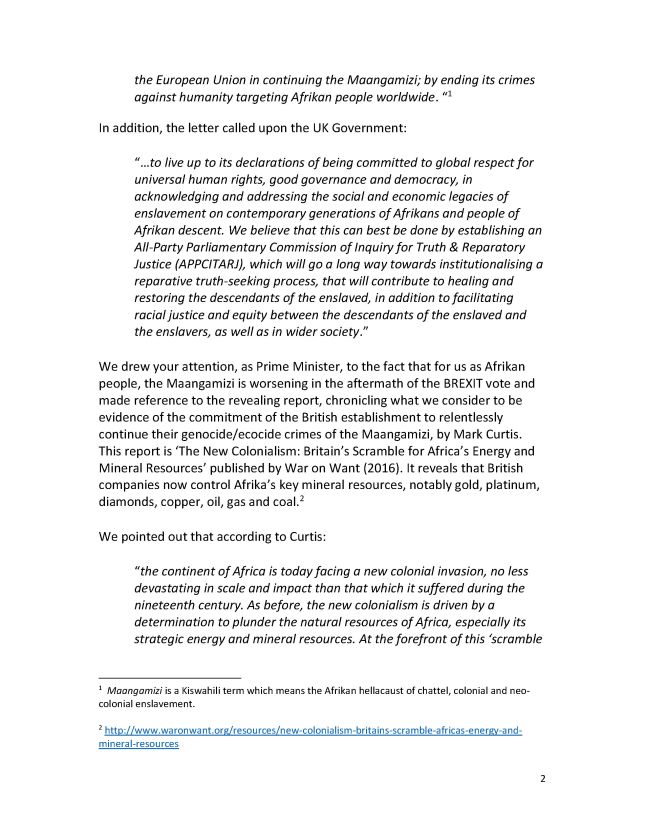
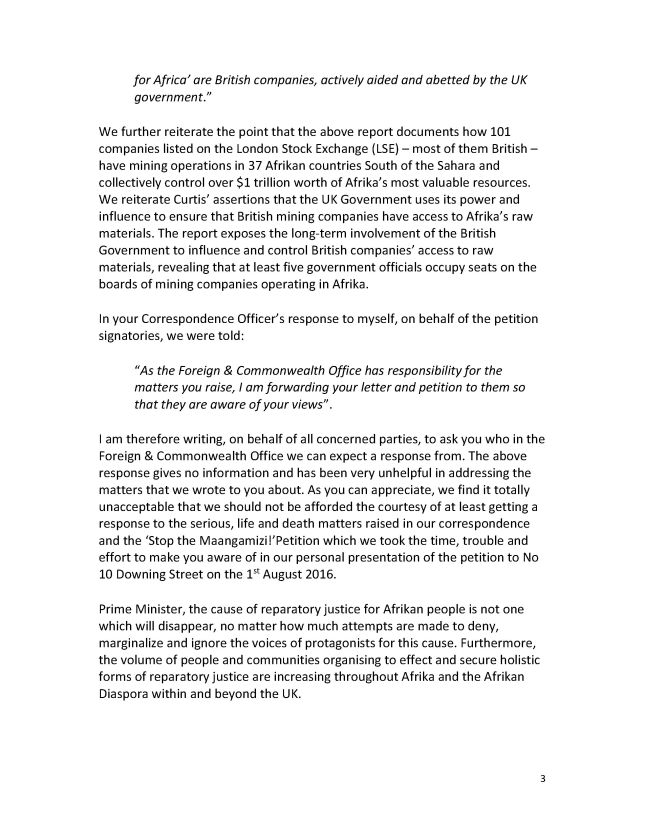
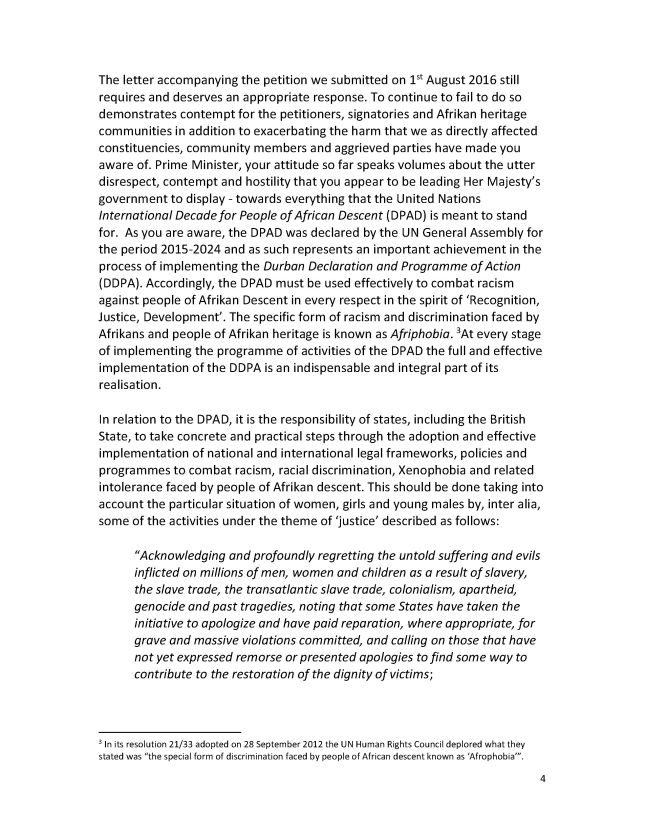
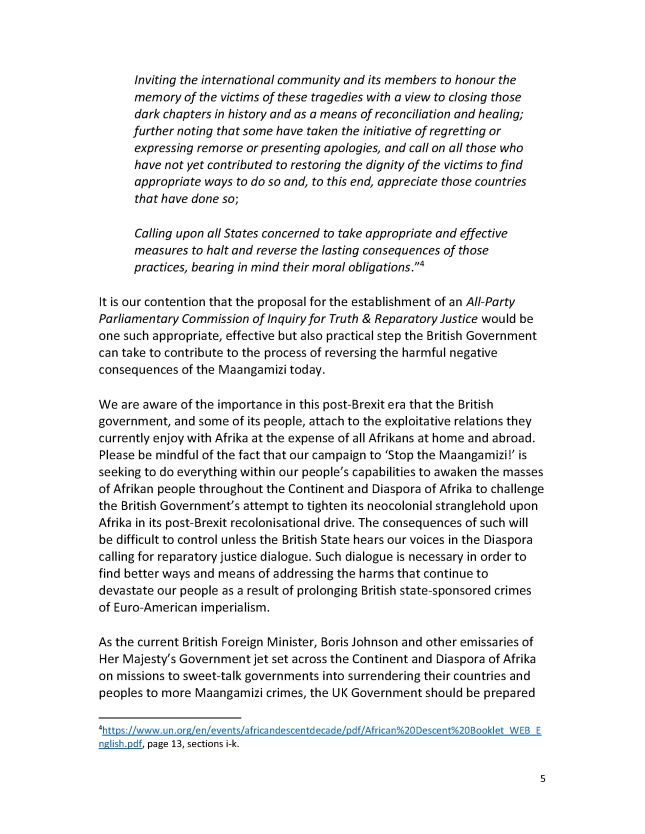
Letter written from SMWeCGEC to Theresa May, UK Prime Minister
(dated 22/02/17)
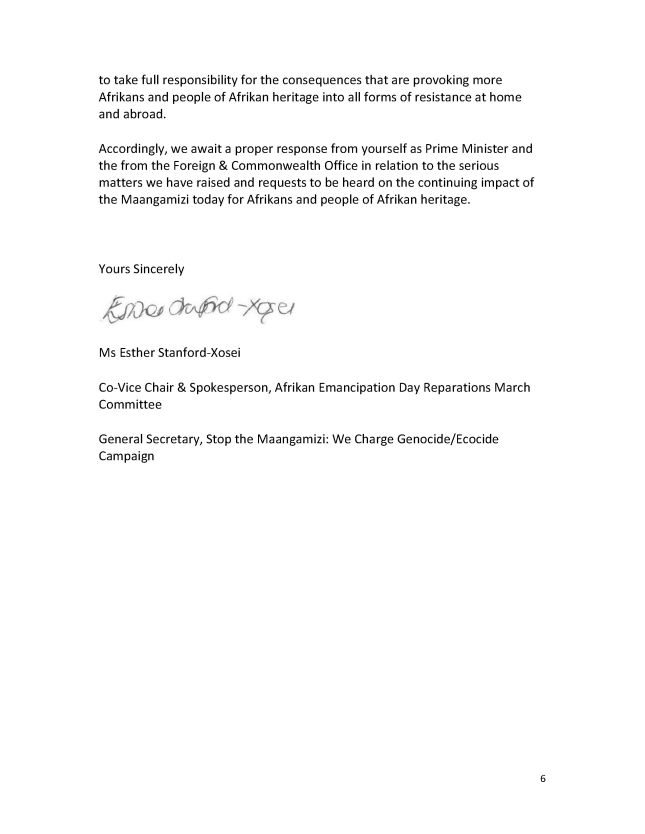 Response received from the Office of the UK Prime Minister
(dated 2nd March 2017, received on 8th March 2017)
Please note the address of Esther Stanford-Xosei, has been concealed.

SMWeCGEC Comments
We of the Stop the Maangamizi: We Charge Genocide/Ecocide Campaign (SMWeCGEC) once again have sound reason to reiterate our concern that most officials of Her Majesty’s Government, as well as of other state organs of the United Kingdom, still rigidly hold on callously to their White Supremacy racist mentality! By this, we mean the very pathologically sadistic mentality shaped by Global Apartheid Racism, with its virulently myopic bigotry of the Eurocentrism, with which were committed the Afrikan Holocaust Crimes of Genocide/Ecocide of the chattel, colonial and neocolonial enslavement periods that, altogether, we call by its Kiswahili name of the Maangamizi; The same depraved mentality out of which untold heinous crimes were and continue to be even nowadays conceived, masterminded and perpetrated with impunity by the British Empire in its past and present racist manifestations of Afriphobia against Afrikan people all over the World.
Another weighty revealing proof of this too often attested fact is the highly offensive remark carelessly made recently by the Whitehall official using “Empire 2.0” to describe the sort of post-Brexit trade, economic and other forms of neocolonialist and recolonising relationship that revanchist imperial Britain is planning to have with Afrikan countries belonging to her so-called Commonwealth of nations (see article in the Times Newspaper on 06/03/17 ‘Ministers aim to build ‘empire 2.0’ with African Commonwealth’ ). This appalling remark speaks volumes of a lot of what we must seriously think about, and organise to address, in terms of Pan-Afrikan Reparations for Global Justice. We are cognisant of the fact that it was made at the time that Ghana is marking the 60th anniversary of the 6th March 1957 defiantly anti-imperialist, boldly revolutionary Pan-Afrikan Internationalist and Global Justice resounding proclamation by our iconic Freedomfighting Hero, Osagyefo Kwame Nkrumah, of her independence from the British Empire!
Hence the urgency of widely circulating the accompanying letter in response to a recent missive in the correspondence trail between our SMWeCGEC and the Afrikan Emancipation Day Reparations March Committee (AEDRMC) on the one hand, and on the other hand, Teresa May, the Prime Minister of Her Majesty’s Government.
Please, do well to pass on copies of these very important documents to whomsoever else you think ought to know about them, including those in the mainstream local, national and international as well as social media.
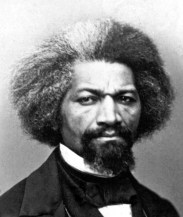
This latest response is not something which we need be disheartened about, for powerful people do not just give up their power to deny, to dehumanise or to oppress just because of the demands of the subjugated. We concur with the wisdom of legendary Afrikan American abolitionist and statesman, Frederick Douglas on his philosophy of reform:
“The whole history of the progress of human liberty shows that all concessions yet made to her august claims have been born of earnest struggle. The conflict has been exciting, agitating, all-absorbing, and for the time being, putting all other tumults to silence. It must do this or it does nothing. If there is no struggle there is no progress. Those who profess to favour freedom and yet deprecate agitation are men ([AND WOMEN, our emphasis]) who want crops without plowing up the ground; they want rain without thunder and lightning. They want the ocean without the awful roar of its many waters. This struggle may be a moral one, or it may be a physical one, and it may be both moral and physical, but it must be a struggle. Power concedes nothing without a demand. It never did and it never will. Find out just what any people will quietly submit to and you have found out the exact measure of injustice and wrong which will be imposed upon them, and these will continue till they are resisted with either words or blows, or with both. The limits of tyrants are prescribed by the endurance of those whom they oppress. In the light of these ideas, Negroes will be hunted at the North and held and flogged at the South so long as they submit to those devilish outrages and make no resistance, either moral or physical. Men ([AND WOMEN], our emphasis) may not get all they pay for in this world, but they must certainly pay for all they get. If we ever get free from the oppressions and wrongs heaped upon us, we must pay for their removal. We must do this by labour, by suffering, by sacrifice, and if needs be, by our lives and the lives of others.”
We repeat our sentiments in response to the Prime Minister’s first non-response (the full response can be found here):
“We reiterate our call for dialogue with the British State towards establishing the UK All–Party Parliamentary Commission of Inquiry for Truth & Reparatory Justice (APPCITARJ), as part of a parliamentary and extra-parliamentary strategy to effect some form of administrative reparations. This for us is not an end in itself, but a means to a much more global Pan-Afrikan revolutionary end. However, we do see this process as being a necessary step that must be taken to demonstrate that we have tried to peacefully engage with the British Government, Parliament and other organs of State, in accordance with their global pretensions of democracy and respect for human rights. That is the more reason why we all need to give due importance to the work being done by our colleagues outside the UK, particularly those in areas of the Continent and Diaspora of Afrika where the Maangamizi crimes of genocide and ecocide by British Government supported transnational corporations are most evident, as described by Mark Curtis in his recently published report by War on Want: ‘The New Colonialism: Britain’s Scramble for Africa’s Energy and Mineral Resources’.
The British Government will begin to take us far more seriously, and more seriously respond to our reparatory justice demands, when those of us in Britain are recognised as key players in catalysing the global Pan-Afrikan flexing of our People’s Power. This must be done in such ways and means as to start shutting down the destructive operations of British Government supported corporate criminals and their NGO quislings wrecking Maangamizi havoc upon our people, in various parts of the Continent and Diaspora of Afrika. When the continuing disrespectful attitude towards our legitimate demands by the British Government resorts to shutting things down, we must do so far and wide and beyond the UK so that our positive action from the global flexing of our people’s power demonstrates to all, the effectiveness of the global Pan-Afrikan strategy and tactics to which we remain committed, in clear distinction from all others. In this connection, we must always remember the 1968 ‘Message to the Black People of Britain’ addressed to us by Osagyefo Kwame Nkrumah. This message can be found in the book ‘Revolutionary Path’ by Osagyefo Kwame Nkrumah (pages 429-431).
You can read previous correspondence between the SMWeCGEC and the Office of the UK Prime Minister here.
We will continue to organise and mobilise to implement the aims and objectives of the SMWeCGEC and implore you to assist us in doing so.
In Service, Sacrifice & The Intergenerational Struggle to Restore, Repair and Renew our People
Stop the Maangamizi Campaign Team
Greetings Supporter of the ‘Stop the Maangamizi: We Charge Genocide/Ecocide’ Petition and its wider campaign (SMWeCGEC)
We thought you would like to know that the SMWeCGEC is influencing other Afrikan Heritage Community-led reparations initiatives across Europe taking place under the auspices of the Europe Wide-NGO Consultative Council for Afrikan Reparations (ENGOCCAR).
See the following link for information about the ‘Civilians Reparations Initiative‘:
file:///C:/Users/User/Documents/ENGOCCAR%20ReparationLetterJanuary%202017.pdf
The initiative calls for a Dutch parliamentary debate about reparations in the relation to the Dutch Transatlantic Traffic in Enslaved Afrikans, slavery, apartheid, piracy and colonialism in addition to the full extent of the MAANGAMIZI. It also calls for the establishment of a Parliamentary Commission of Inquiry for Truth & Reparatory Justice in the Netherlands.
Click on the link for more info about ENGOCCAR.
That is all for now!
Stop the Maangamizi: We Charge Genocide/Ecocide Campaign Team
(SMWeCGEC Team)
The ‘Stop the Maangamizi: We Charge Genocide/Ecocide‘ Campaign (SMWeCGEC) is one of the campaigning tools of the International Social Movement for Afrikan Reparations (ISMAR) for mobilising our people’s power to exert upon the British Houses of Parliament and other European Parliaments towards establishing the All-Party Commission For Truth & Reparatory Justice, and other actions necessary to advance the process of dialogue from the ground-upwards, with the British State, other European states and society on Reparatory Justice.
This article was revised on 29/06/18
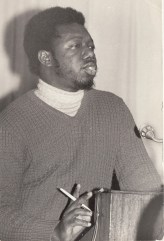

“The use of law as one of the most important instruments of our Afrikan struggle for reparations, indeed the need to locate our claim to restitution for the damages caused by gross violations of Afrikan sovereignty must raise immediately for us the essential questions of whose Framework, whose Law and whose Justice“
Kofi Mawuli Klu ‘Charting an Afrikan self-Determined Path of Legal Struggle for Reparations’, A draft paper for presentation to the 11th December 1993 Birmingham Working Conference of the Africa Reparations Movement, UK, 1993
In the above paper, presented at the African Reparations Movement conference launch in the early 1990’s as a contribution to reparations-movement-building and movement-lawyering, jurisconsult Kofi Mawuli Klu advocates the need for Afrikan people to chart our own self-determined path of legal struggle to enforce and secure reparations. However, this requires decolonisation and repair of the law, legal system and processes. Ahead of his time, Klu asserted the self-rehabilitation and healing in a Fanonian sense that comes about through Afrikans exercising agency in the shaping, making and implementation of international law. This model has subsequently been referred to as international law from below by various legal scholars. Klu affirms seven principles which should be followed in charting an Afrikan self-determined path of legal struggle for reparations. These include:
*Legal Consciousness is the sum of views and ideas expressing the attitude of a group or people toward law, legality, and justice and their concept of what is lawful and unlawful. Legal Consciousness therefore traces the ways in which law is experienced and interpreted by specific individuals and groups as they engage, avoid, or resist the law and legal meanings. Legal consciousness also entails the process by which a group or people concretize their political goals and demands and the means by which they try to give them universal force in the form of laws and policy. It follows that legal consciousness is a form of social consciousness and closely related to political consciousness.
Building on this unrivaled foresight, the ‘Stop the Maangamizi: We Charge Genocide/Ecocide‘ Petition concludes by stating that it “will also galvanise grassroots work towards establishing glocal sittings of the Ubuntukgotla -Peoples International Tribunal for Global Justice (Ubuntukgotla-PITGJ) as part of a series of actions which will put a full stop, by way of holistic and transformative reparations, to all acts of Genocide/Ecocide against Afrikan people.”
What is an International Peoples’ Tribunal?
An international peoples tribunal is a process initiated by communities and/or civil society groupings which seeks to establish whether a state, international organisation, corporation, or less frequently specified individuals have committed breaches of international law or of another body of law or norms, (such as national law, Afrikan law, indigenous law of peoples’ law); which involves the presentation of evidence and arguments to a body of people deemed competent to adjudicate on relevant issues in the best interests of the communities themselves, nations or humanity as whole. In light of documentary and other forms of evidence presented to tribunal members in formal proceedings, it presents a reasoned set of findings based on an evaluation of such evidence and they can also pass judgements. There is however considerable variation in in the emphasis and practice of such tribunals which are also described in various terms such as a people’s tribunal, people’s hearing, or tribunal of conscience.
Seizing back Afrikan people’s power to define, make, shape and advocate for legal strategies and processes in our own best interests and in accordance with Afrikan forms of law and jurisprudence, the term Ubuntukgotla has been chosen to give culturally competent expression to the increasingly popular notion of an international people’s tribunal.
The Ubuntukgotla–PITGJ is a court of peoples humanity interconnectedness. The term is comprised of the Afrikan terms ubuntu and kgotla. A Kgotla is a Tswana traditional institution of participatory democracy, i.e. peoples assembly or court in Botswana which has a number of functions including:
(1) enabling public debate and consultation on policy and legislation;
(2) being a judicial institution in which cases are heard providing access to justice;
(3) soliciting views from the community on government actions and decisions or those of any other interest group; and
(4) facilitating the means to come to an agreement or key issues pertaining to the health and well-being of the community.
The term ubuntu which translates as: “I am because of who we are” is a concept from the Southern Afrikan region which means literally “human-ness”, and is often understood to mean”humanity towards others”. It is also considered, in a more philosophical sense, to mean “the belief in a universal bond of sharing that connects all humanity. In Southern Afrika, ubuntu has come to be used as a term for a kind of humanist philosophy, ethic or ideology, also known as Ubuntuism or Hunhuism propagated in the re-Afrikanisation process of these countries during the 1980s and 1990s.
The Ubuntukgotla–PITGJ is being developed as a site of an activist ‘doing of law’ which also includes knowledge-production and praxis on making, enforcing and implementing just law. Although like other peoples tribunals, it may be perceived as a deviant or even illegitimate ‘institution’ within the institutional landscape of dominant forms of law.
Civil society (peoples’) tribunals initiated by citizens of conscience and oppressed groups have emerged to fill the normative vacuum created by the gap between the ideals, of justice and access to justice. In this regard, people’s tribunals are seen as more effectively responding to the failures, exclusions and mendacity of existing domestic and international state and state sponsored institutions apparatuses to provide effective redress for human, peoples and Mother Earth right violations and atrocities committed, despite having formal power and jurisdiction to do so. They do so by: asserting the rights of peoples (and people) to articulate law that is not dependent on endorsements by states for its legitimacy; as well as utilising, interpreting and developing international and other forms of law.
People’s tribunals can critique the content of existing international law where such law perpetuates oppressive power relations. Oftentimes, peoples’ tribunals have resulted in a greater democratisation of international law-making from below and provided additional accountability mechanisms for the exercise of and abuses/misuse of power by states and international organisations. They have been used by many different peoples and special interest groups.
For example, in 1993 the indigenous people of Hawaii developed the Ka Ho‘okolokolonui Kānaka Maoli-Peoples’ International Tribunal Hawai‘i in which the United States and the state of Hawai‘i were put on trial for crimes against the original people of Hawai‘i, the Kānaka Maoli. A video has been made of this tribunal which we recommend you view. It can be found here.
The Ka Ho‘okolokolonui Kānaka Maoli Tribunal features a panel of international judges that was convened to hear the charges, which included genocide, ethnocide, the taking of their sovereign government and the destruction of their environment. The Tribunal judges and prosecutor/advocates came from Japan, Aotearoa (New Zealand), Jordan, Korea, Afrika, the U.S., Puerto Rico and the Cree, Cherokee, Shawnee and Creek nations. It traveled to five islands to see and hear firsthand the words and personal experiences of witnesses, many of whom faced arrest and eviction from native lands. At the end of ten days, the Tribunal called upon the United States and the world to recognise the fact that Hawaian sovereignty has never been extinguished. It also called for the restoration and return of all lands to which Kānaka Maoli have a claim.
Peoples’ tribunals are formed to take up a variety of cases that may fall under the following, sometimes overlapping, categories:
In most cases, peoples’ tribunals arraign individual states, international organisations, corporations or combination of these. In some cases peoples’ tribunals ‘put on trial’ named individuals.
See ‘Peoples International Tribunals and International Law‘, edited by Andrew Byrnes, and Gabrielle Simm, Cambridge University Press, (2018) pp. 16-17 for more info.
How will the Ubuntukgotla-PITGJ operate?
As a people’s tribunal, the Ubuntukgotla-PITGJ derives its power from the voices of Afrikan heritage community victims and survivors, and also those of national and international civil societies with relevant knowledge and expertise to establishing and providing evidence on the concrete manifestations of the Maangamizi including the genocide of Afrikan heritage communities. The Ubuntukgotla-PITGJ will have the format of a formal human rights court,however, it is not a criminal court in the sense that individual persons are indicted. In the first instance, the prosecutors will indict the state and institutions of the UK, based on the proofs presented of responsibility for the widespread and systematic crimes against humanity committed in the current phase of the Maangamizi. It is expected that, as support for and the influence of the U-PITGJ grows, it will be also be able to build the capacity to address other instances of genocidal crimes that have been perpetrated on other peoples who have experienced European settler colonialism, conquest and invasion. This is why it is important to recognise the interconnections between the International Social Movement for Afrikan Reparations (ISMAR) and the Peoples Reparations International Movement (PRIM).
The proof presented will consist of documents, audiovisual materials, statements of witnesses and other recognised legal means. The power of the Ubuntukgotla-PITGJ will be to examine the evidence, develop an accurate historical and scientific record and apply principles of international law to the facts as found. It is expected that the chosen judges will produce a verdict based on the material presented and call upon the Government of the UK to realise that so far they have failed to take legal and moral responsibility for the victims. This verdict can also be used as a basis for an United Nations resolution and other actions on these crimes.
How can the Ubuntukgotla-PITGJ contribute to Afrikan people’s empowerment and healing?
Volunteer researchers required to contribute to a people’s history-making process of securing reparatory justice!

If you are a law or politics student or have other relevant skills and experience and you are interested in using your knowledge and skills to support Afrikan people’s struggle for holistic redress and secure Afrikan Reparatory Justice, you can become a volunteer researcher. We are looking for volunteer researchers who would like to join the SMWeCGEC research team in preparations for establishing the APPCITARJ and the Ubuntukgotla-PITGJ.
If you would like to get involved, please contact: Afrikan Reparations Transnational Community of Practice (ARTCoP) on artcop.edu@gmail.com or PARCOE on info@parcoe.com or 07751143043.
Support from movement lawyers is also welcome!
If you are a social justice advocate, legal practitioner or cause lawyer and would like to offer pro-bono advice or support to this community-led initiative; are willing to build equitable relationships with people and organisations challenging historical and contemporary injustice; and are prepared to respect the approach of social justice/community lawyering,*please also get in touch as above.
*Community lawyering has many variants: collaborative lawyering, community, lay lawyering, cause lawyering, social justice lawyering, political lawyering, critical lawyering, rebellious lawyering, movement-lawyering etc. The common thread among them is that the clients, not the lawyers, play a central role in resolving the issues that have an impact on their opportunities to succeed. It is: lawyering that is community-located, community-collaborative, community-directed and based on the collaboration of lawyers, clients and communities in which they live; and transforming law and lawyering to address the inequalities experienced by subordinated and underserved groups. The legal system in the UK and other Westernised countries is very individualistic. It tends to atomise and depoliticise disputes, which work against a community organising model. Furthermore, the facilitation of individual rights has not benefited the long-term needs of communities, especially impoverished communities, especially where such impoverishment is as a result of intergenerational injustice. The Sargent Shriver National Centre on Poverty Law (USA) defines “community lawyering” as a “process through which advocates contribute their legal knowledge and skills to support initiatives that are identified by the community and enhance the community’s power.”
Similar to the different schools of thought in community organising, community lawyering has many different strains. However, what sets lawyers who adopt community lawyering apart from each other boils down to their answers to the following three questions: Who do you work with? What do you do for them? And how do you work together? Similar to community organising, the answers to these questions vary depending on the political orientation of the lawyer and the theory of social change they ascribe to. By combining legal recourse and community organising, it is possible to utilise “community lawyering” as a social change strategy.” This approach engages lawyers who are prepared to de-emphasise litigation as the primary tool for advancing social justice. Instead, community lawyering encourages such lawyers, in collaboration with communities, their groups, activists and organisers, to critically and creatively examine non-traditional forms of advocacy such as facilitative leadership, institution-building, community organising, collective action and other grassroots actions including strategic litigation, media events, community education workshops and public demonstrations. This is done as a way of addressing the legal and non-legal problems of their clients.
Community lawyering can also be described as a more participatory process that fosters collaboration between lawyers and their community (group) clients, rather than fostering—if not perpetuating—the dependency that most clients have on their lawyers to solve their legal problems in a conventional lawyer-client relationship.
The role of a “community lawyer” entails working in partnership with one’s community clients and utilises multiple forms of advocacy, to address their individual as well as systemic problems. Community lawyering practitioners recognise that their clients are partners—not just in name—but in leadership, control and decision-making. Through collaboration, lawyers can support Afrikan Heritage Community groups in building their own resources and community capacities to advance their own interests in effecting and securing reparatory justice in a self-determined and self-directed manner.
Another critical component of community lawyering is creating race-conscious cultural competence—a set of beliefs, values, and skills built into a structure that enables one to negotiate cross-cultural situations in a manner that does not force one to assimilate to the other. The goal of race-conscious community lawyering is to support lasting structural and systemic changes that will bring about holistic reparatory justice for racialised groups.
Movement-lawyering is a specific form of community lawyering but the lawyers work in collaboration with grassroots movements. This lawyering recognises that community members and organisers have expertise that should be valued. In fact, movement lawyers should also be engaged in a process of political study and growth collectively with movement-organisers that are aligned with particular community struggles. Here are some tips for lawyers that are aligned with movements and are particularly relevant to how lawyers can best support communities, their activists and organisers who are engaged in reparatory justice struggles as part of the ISMAR.
This article was updated on 07/08/17, 27/06/18 and 17/10/20 from when it was originally published in 2015
“The damage sustained by the Afrikan peoples is not a thing of the past, but is painfully manifested in the damaged lives of contemporary Afrikans from Harlem to Harare’ in the damaged economies of the Black World from Guinea to Guyana from Somalia to Suriname.”
Abuja Proclamation of the First Conference on Reparations for Enslavement, Colonisation & Neocolonisation, 1993
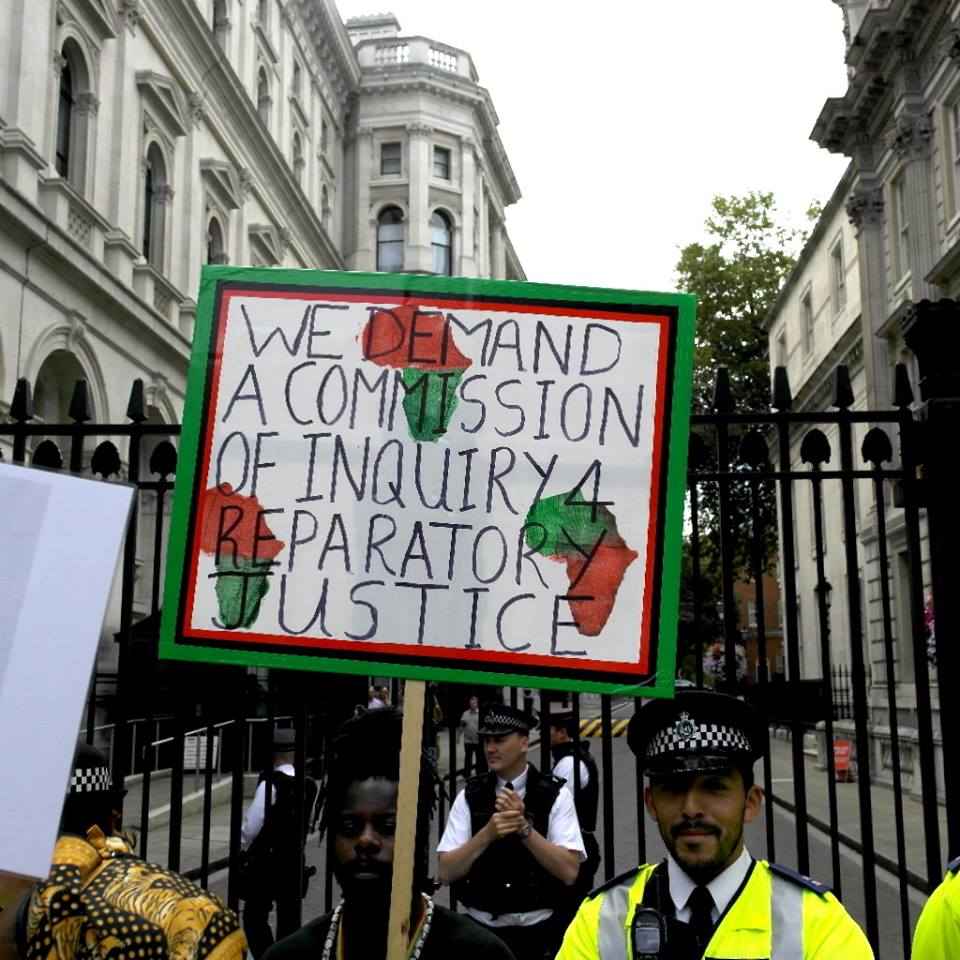
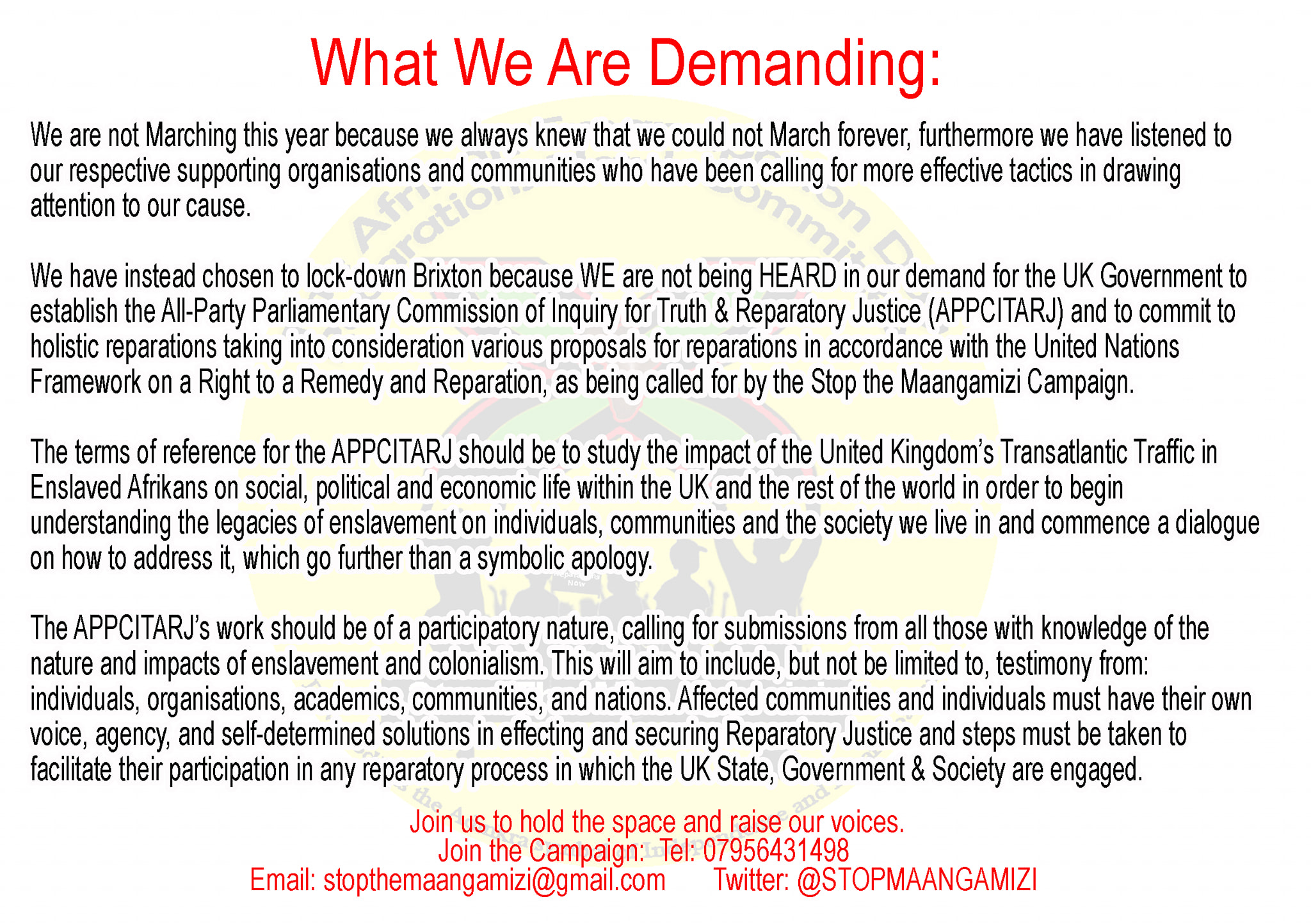
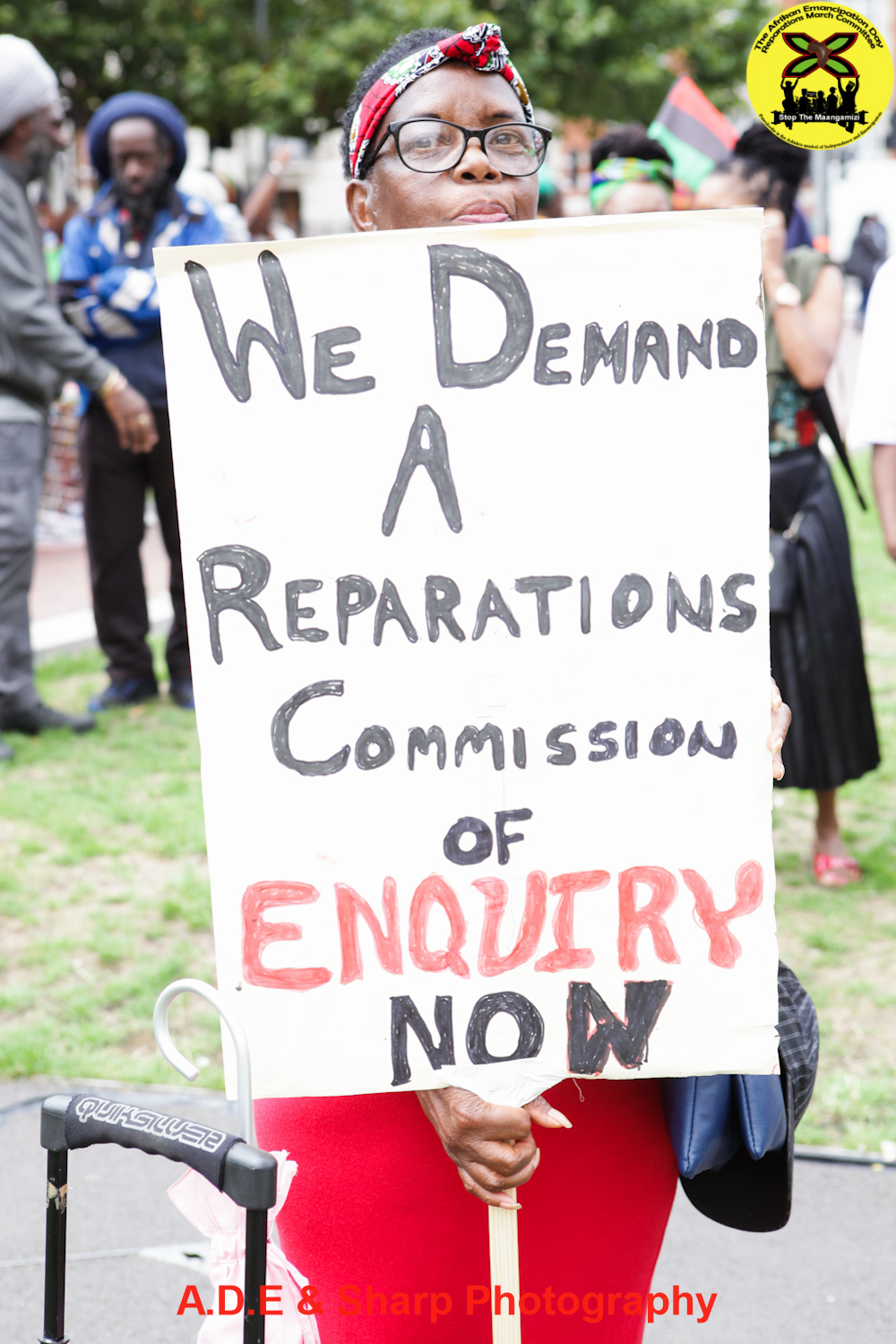
No exact template or model exists for the All-Party Parliamentary Commission of Inquiry for Truth & Reparatory Justice (APPCITARJ) in that it will have to be shaped in a way that meets the needs and aspirations of Afrikan Heritage Communities that have been enslaved, colonised or otherwise oppressed by the British Empire and/or the current British State. However, our vision is that the APPCITARJ will consist of British and European Parliamentary Commissions established with representation from the political parties in these parliaments and thy will hear our submissions as Afrikan Heritage Communities who have been impacted by the Maangamizi (Afrikan hellacaust of chattel, colonial and neocolonial enslavement). This is an example of the revolutionary use of reform in that we are tactically seeking to use establishment institutions and some of their processes to achieve some of our revolutionary objectives for reparatory justice social change and transformation.
For us in the ‘Stop the Maangamizi: We Charge Genocide/Ecocide!’ Campaign (SMWeCGEC), this is not about taking our individual and collective cases to parliamentarians for those parliamentarians, on their own, to decide on the merits of our individual/family/people’s case and to make final judgements about what the outcomes should be. In our view, this adjudication function can best be achieved by the establishment of the Ubuntukgotla-Peoples International Tribunal for Global Justice(U-PITGJ) in which representatives of our people and other peoples who have experienced European colonialism, enslavement and genocide become the judges using law from our various people’s legal traditions. Rather, the establishment of the APPCITARJs, at the levels of the Westminster Houses of Parliament and the European Parliament, are a tactic to facilitate widespread evidence gathering which reveal facts about the magnitude of the Maangamizi and for the public dissemination of that evidence as part of the battle to win hearts of minds and influence public opinion to support our people’s cause.
It is therefore important for the proposed APPCITARJ to seek an appropriately weighted balance between an individualized approach that places victims and perpetrators at the centre of the process and recognising as well as redressing the impact of the Maangamizi on whole collectivities. However, this requires a focus on tackling the systemic aspects of the Maangamizi and examining the role of institutions, structures of legitimisation and governance in its continuance. In this regard, we are keen to ensure that the systemic aspects of the Maangamizi are no longer hidden from scrutiny or public accountability.
SMWeCGEC Petition
Dissemination of such evidence in the arena of the British public will compel the majority of the British public to agree with us that there is an overwhelming case for their criminal ruling classes to answer. In effect, we want our people to have a ‘hearing’ and to speak to the public, (court of public opinion) through the British Parliament. This entails exposing the evidence to the glare of the public and utilising various forms of media who will be reporting on the proceedings to influence public support for our cause of Afrikan Reparatory Justice. According to the 2005 UN Basic Principles and Guidelines on the Right to A Remedy and Reparation for Victims of Gross Violations of International Human Rights Law and Serious Violations of International Humanitarian Law, an essential aspect of reparations include, among other measures: investigation of the facts, official acknowledgement and apology, receipt of answers; an opportunity for victims to speak in a public forum about their experiences and to have active involvement in the reparative process. We are therefore seeking to ensure that our people’s testimonies will bring to light all the gory details that the British public has not been allowed to hear; has been denied true education about; and that we too have not been allowed to narrate on platforms with official legitimisation.
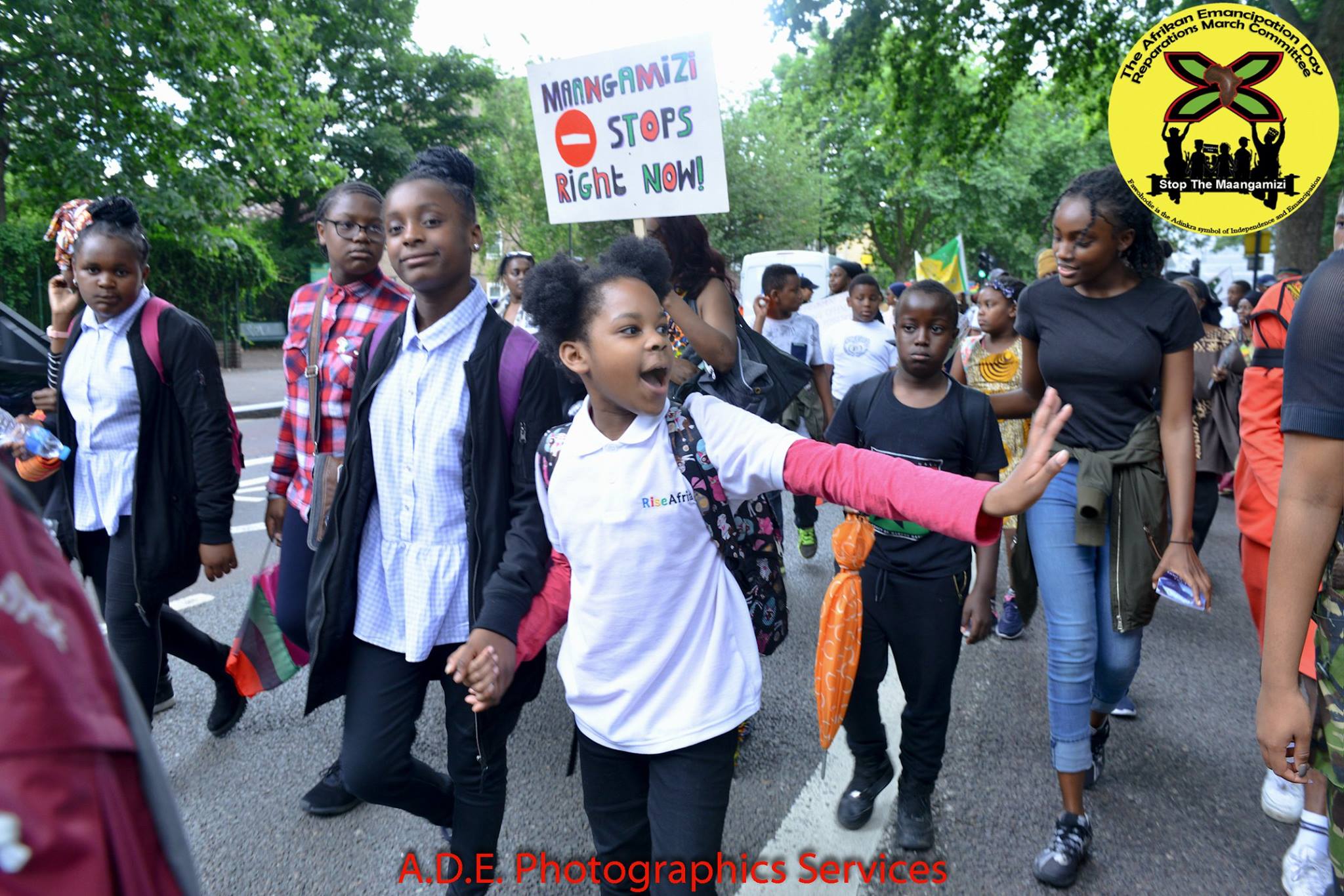
This parliamentary and extra-parliamentary process will create the opportunity for a diverse collectivity of Afrikan voices, from all over the world, to speak to the Maangamizi crimes of the British Empire, the British State and its ruling classes, by providing public testimony about our family and people’s case, as we see it. Once these testimonies of ordinary people, as well as the various research and other forms of documentation of the Maangamizi that exists, are being heard over and over again, clarity will dawn on the British public.
Ultimately, we are seeking to ensure that our combined evidence, voiced, recorded and reported from the UK and European Parliaments, paints the horrific truth of the culprits crimes. This is an opportunity we have never been given. Once the British public have heard the whole truth, it will be easier for us to win them over to our side; to publicise who the main culprits are ; and elucidate the harm that their deception over the years has done not only to Afrikan Heritage Communities, but also to the British people as a whole. This spark-rippling process will in itself compel the majority of those conscientious members of the British people to join us all in movement-building to stop the harm and repair the damage being done to themselves, and to others, in their name. So what will be a just retribution in terms of holding such perpetrators to account? One form of retribution is to strip the criminals of their ill-gotten wealth and status (“Expropriate the Expropriators!) and reclaim our wealth for Reparatory Justice Redistribution.
A large part of our people’s case for compensation is that this is unjustly obtained intergenerational wealth includes the wealth that which we as Afrikan Heritage Communities, are historically owed and have been denied, in addition to what is being stolen from and owed to our contemporary generations. We therefore advocate that we must have out of that redistributed wealth, all that we need to repair our own selves i.e. Afrikan Community Self-Repairs*. Although, we concede that the majority of British people deserve some of that wealth from their ruling classes in terms of wealth that has also been stolen from them over the years. Practically, this is how we see that external compensation in the form of the just redistribution of our people’s wealth will be secured.
*Afrikan Community Self-Repairs are the self-determined efforts that need to be made in building our own power, in such a way, that Afrikan heritage communities are able to identify and enhance ongoing work towards stopping the contemporary manifestations of the Maangamizi, which are putting the individuals, families and other social groups that make up our communities into a state of disrepair; as well as reasoning and consciously carrying out the alternative solutions for glocally rebuilding our power base as communities, in such a way that that they are eventually transformed, in accordance with the principles and programmatic demands of Pan-Afrikan Reparations for Global Justice.
“The inheritance of rich people’s wealth by their children should stop. The expropriators should have their wealth expropriated and redistributed“
Arundhati Roy
So for us, the strategic purpose of the APPCITARJ is to divorce the masses of the British public from aligning with their ruling classes in order that they can once again be on the right side of history (as were their abolitionists); in collaborating with us to strip their ruling classes of their ill-gotten wealth and other gains and collaborate with us to secure its redistribution.
One of the greatest challenges for transformative reparatory justice change processes and mechanisms is addressing not only the histories of acts of Maangamizi dispossession and violence, but also those of structural violence, where power relations are manifest through the systematic and collective violation/s of economic, social and cultural rights. In many contexts, racialised and otherwise marginalised populations, particularly those of Afrikan heritage, are often systematically excluded from community development initiatives as well as often being denied full participation and substantive Afrikan Heritage Community representation in social, economic and political life. So the way other commissions of inquiry or truth commissions have interacted with ‘victims’ of these harm causing violations; such as receiving testimony, writing histories of victimization in such a way that assists such groups to recover their agency, and recommending reparative approaches – can be replicated with Afrikan Heritage Communities as a collective victim.
The 2014 Instance de la Vérité et Dignité (IVD, Commission for Truth and Dignity) in Tunisia pointed the way, by seeking to address the broad range of demands that the Tunisian Revolution made, including not just for truth, but also threats to dignity including issues such as the lack of graduate jobs and the often extreme geographical inequalities that came to the fore in Tunisia under the Ben Ali regime. To address the issue of the collective and structural violence of social exclusion; and for the first time in the history of truth commissions; the IVD defined and implemented the concept of a collective victim as including: “any person who suffered harm following a violation…, be they individuals, or groups of individuals” (Organic law on Transitional Justice).
To maximize the impact of collective reparations for Afrikan Heritage Communities requires that such reparations not only address harms, but also the structures and institutions underpinning such harms, and ensure that the such reparations transform the circumstances of unjustly impoverished and marginalised victims. Such transformation occuring in such a way as to address contemporary injustice in its multiple dimensions, (i.e. historical, ethnic, social, political, cultural, religious, sexual, epistemic and ecological). Such injustice being underpinned by ‘cognitive injustice’ which is the failure to recognise the plurality of different knowledges by which Afrikan Heritage Communities give meaning to their existence. It is only by pursuing global cognitive justice that holistic and transformative reparatory justice can become a reality. Hence why in our approach to developing the APPCITARJ, we are cognizant of the need to also adopt approaches, processes, mechanisms and initiatives that incorporate the legal cosmovisions (Indigenous worldviews), ideas and claims of Afrikan people. This in itself, requires a more complete set of tools for building alternatives to the present system of legalized injustice.
“Always remember that the people do not fight for ideas, for the things that exist only in the heads of individuals. The people fight and accept the necessary sacrifices. But they do it in order to gain material advantages, to live in peace and to improve their lives, to experience progress, and to be able to guarantee a future for their children. National liberation, the struggle against colonialism, working for peace and progress, independence – all of these will be empty words without significance for the people unless they are translated into real improvements in the conditions of life.”
Amilcar Cabral, Guinea-Bissau: A Study of Political Mobilisation, 1974, p.91
Among the challenges facing reparations for Maangamizi resistors and survivors, is to differentiate between reparations and the requirement that a state deliver basic public services. Reparatory justice measures will not be secured from others outside of a comprehensive and holistic Afrikan Heritage Community Pempamsie (sewing together) Community Self-Repairs Plan and related policies, which must accompany and shape it. This is why we in the SMWeCGEC, in partnership with the Afrikan Emancipation Day Reparations March Committee (AEDRMC), its allied organisations and other formations, are mobilizing and supporting others to self-organise year-round building on the 2017-2018 Afrikan Emancipation Day Reparations March theme of ‘Promoting the reparatory justice change that we are organising to bring about’ with the 2018-2019 theme: ‘Nothing About Us Without Us: Actualizing the Reparatory Justice Change We Envisage‘!
The beginnings of such a Pempamsie Plan were documented in the 2003 Black Quest for Justice Campaign (BQJC) legal & extra-legal Strategy for Pan-Afrikan Reparations for Gobal Justice; and were included in its legal action supported by the Pan-Afrikan Reparations Coalition in Europe (PARCOE), the Black United Front (BUF), the then newly formed Global Afrikan Congress (GAC) and the International Front for Afrikan Reparations (IFAR).
Characteristics of Commissions of Inquiry with Truth Commission Functions:
In her thesis, ‘Truth Commissions and Public Enquiries: Investigating Historical Injustices in established Democracies’ Kim Stanton asserts that the truth commission is really a specialised form of public inquiry that has developed over the last three decades as a response to historical injustices.
“In recent decades, the truth commission has become a mechanism used by states to
address historical injustices. However, truth commissions are rarely used in established
democracies, where the commission of inquiry model is favoured. I argue that established
democracies may be more amenable to addressing historical injustices that continue to
divide their populations if they see the truth commission mechanism not as a unique
mechanism particular to the transitional justice setting, but as a specialised form of a
familiar mechanism, the commission of inquiry. In this framework, truth commissions are
distinguished from other commissions of inquiry by their symbolic acknowledgement of
historical injustices, and their explicit “social function” to educate the public about those
injustices in order to prevent their recurrence.”
Abstract, Kim Pamela Stanton (2010), pii
To get a sense of what we are envisioning for the APPCITARJ, it is best to understand what a truth commission is.
• Truth commissions are generally understood to be “bodies set up to investigate a past history of violations of human rights in a particular country -which can include violations by the military or other government forces or armed opposition forces.”[1] Priscilla B. Hayner, in ‘Unspeakable Truths’ delineates four main characteristics of truth commissions:
1. First, they focus on the past and its impact. The events may have occurred in the recent past, but a truth commission is not an ongoing body akin to a human rights commission.
2. Second, truth commissions investigate a pattern of abuse over a set period of time rather than a specific event. In its mandate, the truth commission is given the parameters of its investigation both in terms of the time period covered as well as the type of human rights violations to be explored.
3. Third, a truth commission is a temporary body, usually operating over a period of six months to two years and completing its work by submitting a report. These parameters are established at the time of the commission’s formation, but often an extension can be obtained to wrap things up.
4. Fourth, truth commissions are officially sanctioned, authorised, or empowered by the state. This, in principle, allows the commission to have greater access to information, greater security, and increased assurance that its findings will be taken under serious consideration. Official sanction from the government is crucial because it represents an acknowledgment of past wrongs and a commitment to address the issues. Furthermore, governments may be more likely to enact recommended reforms if they have established the commission.

Goals of truth commissions include:
• Making recommendations for redress suffered by victims and survivors
• Recording and educating about the past
• Identifying perpetrators
• Formulating policy proposals and recommendations on rehabilitation and the healing of Maangamizi resistors, survivors, their families and the community at large
• Providing the victims/survivors with different forms of support to ensure that the commission of inquiry/truth commission process restores the victims’ dignity
• Preventing repetition of aspects of the Maangamizi
• Forming the basis for a new pluriversal democratic order
• Promoting reconciliation
• Creating a collective memory.
You can see a list of previous truth commissions here.
Characteristics of commissions of inquiry with truth commission functions:
Truth Commission Activities
Advantages of the APPCITARJ:
There are many factors that will determine the composition and mandate of the APPCITARJ including how much we are able to bring pressure to bear on relevant decision-makers and institutions. There has already been some thinking, analysis, research and consultation on what the purpose of the APPCITARJ should be, although this is an evolving process.
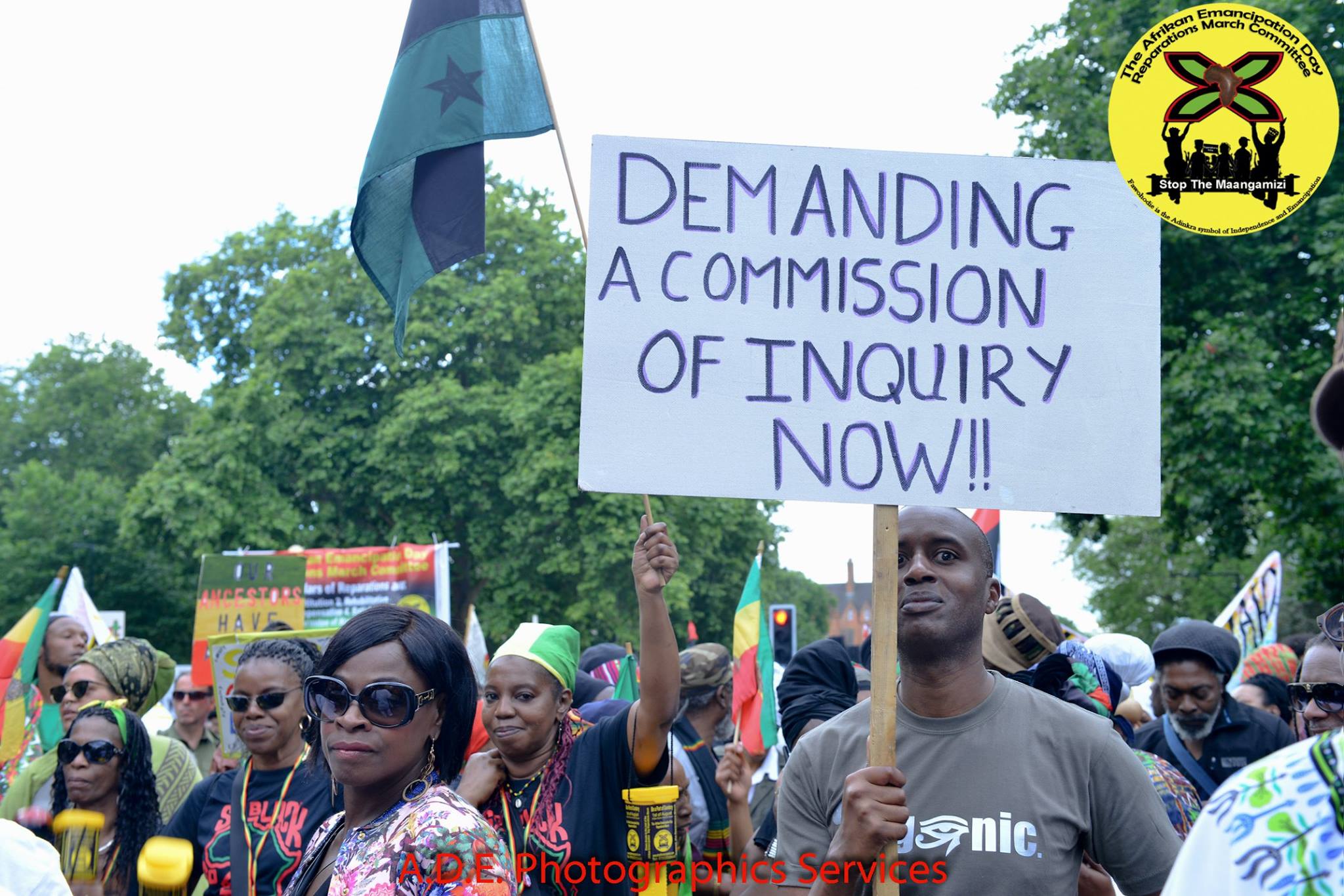
The APPCITARJ will seek to:
On the importance of speaking our grassroots power of truth to establishment power
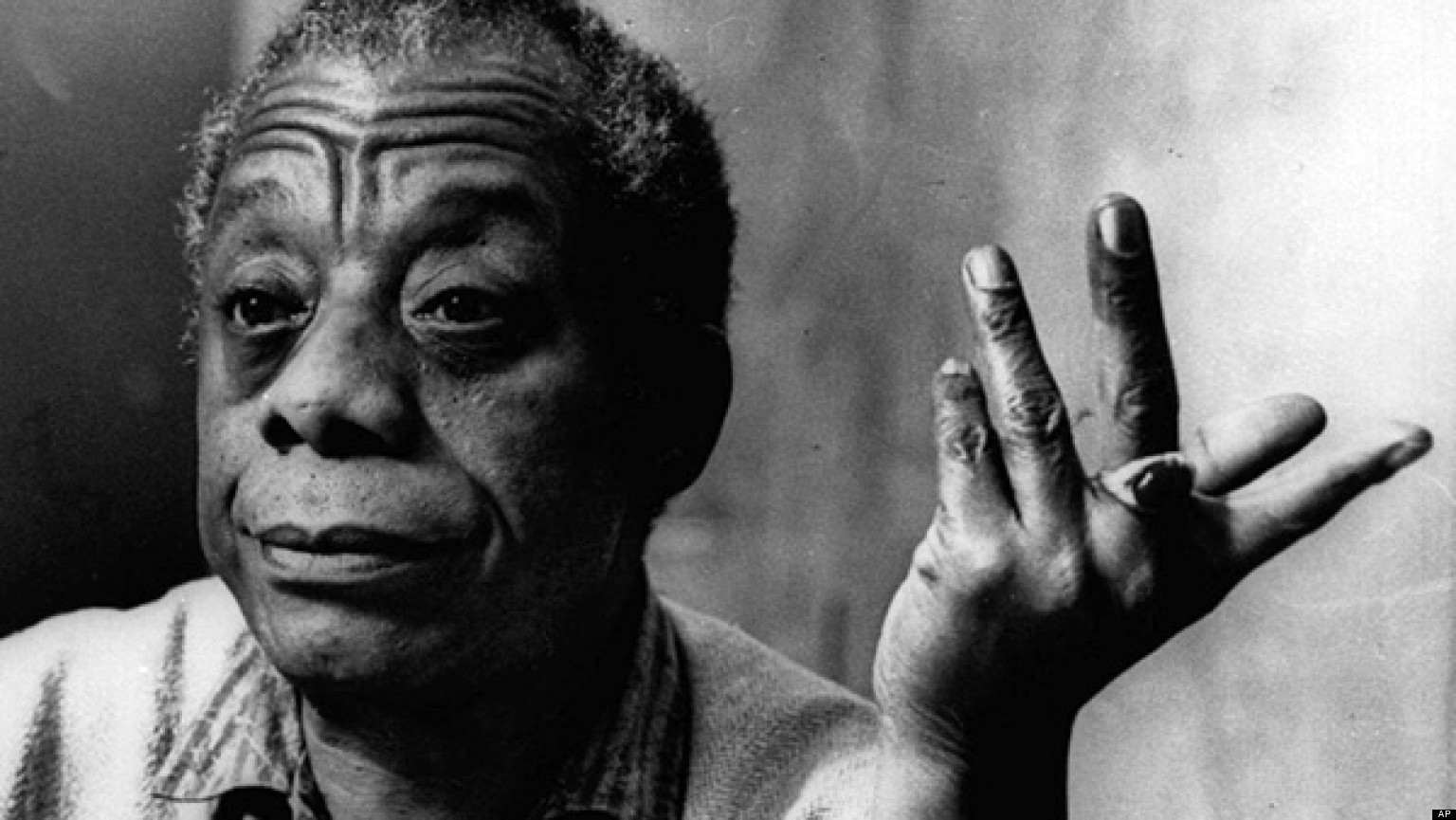
“The victim who is able to articulate the situation of the victim has ceased to be a victim… he or she has become a threat.”
James Baldwin, ‘The Devil Finds Work’, 1976
In providing testimony, the so-called victim/survivor becomes an agent, and his/her narrative is especially threatening because it dares to expose violations and violence when others declare that such oppressions do not exist.
The APPCITARJ will not substitute a judicial process and is not designed to let perpetrators off the hook. Hence the need for the APPCITARJ to evolve in conjunction with the U-PITGJ. The organising processes towards establishment of the APPCITARJ, including the mobilisational role of the SMWeCGEC, will also galvanise grassroots work towards establishing glocal sittings of the U-PITGJ, as part of a series of actions which will put a full stop, by way of holistic and transformative reparations, to all acts of Genocide/Ecocide against Afrikan people.
Begin preparing yourself for the APPCITARJ & U-PITGJ
You can prepare yourself for the APPCITARJ by beginning to do family and community research on how we and our immediate families each have suffered, continue to suffer and have also challenged the various crimes of the Maangamizi. In this regard, see the aims of the SMWeCGEC.
Afrikans in the UK and Europe organising towards establishing commissions of inquiry for truth and reparatory justice and local, national and international people’s tribunals to hold the governments of Britain, and other European countries to account. If you are able to gather such evidence you can assist us to arrive at a comprehensive assessment and a full picture of what our journeys and experiences of the Maangamizi have been across the Diaspora, as well as on the continent of Afrika.
Each person and representative of families and their communities have to become our own advocates and experts on your own situation and then we can bring all these experiences together as part of us becoming ‘reparations enforcers’ who are building the power and capacity to hold to account all those who are continuing to profit from the ill-gotten gains of the Maangamizi and are also complicit in its perpetuation today.
See the video below from the documentary ‘Freedom Summer’ for some APPCITARJ lessons from our Shero Fannie Lou Hamer.
https://www.facebook.com/AmericanExperience/videos/10154189386704122
Hamer’s testimony had such a huge impact upon the government and public in and outside the USA, and was so powerful, that President Lyndon B. Johnson called an impromptu press conference to get her off the air. This is a recording of the full testimony and also a transcript of that testimony. Her testimony provides an example of what we envisage could be the impact similar ISMAR-coordinated grassroots testimonies by our Afrikan Survivors, Resistors and Challengers of the Maangamizi, from all over the World to the APPCITARJs in the UK Parliament of Westminster and the European Parliament. We surmise that the ‘holding to account’ referred to above can best be done in a collective way by supporting the establishment of the Ubuntukgotla, court of peoples humanity interconnectedness, otherwise known as the Peoples International Tribunal for Global Justice (U-PITGJ), which we encourage you to support the development of. This can be done through hosting sittings of the tribunal, locally, nationally and internationally.
As part of the rationale for this approach, it is important to have a better sense of the historical antecedents of the SMWeCGEC in the UK, see these historic recordings from 2003 of Esther Stanford-Xosei, former legal advisor to the BQJC speaking about the BQJC legal & extra-legal strategy for reparations; the need for a UK commission of inquiry to address the legacies of the Maangamizi; and the commencement of the UK version of the ‘We Charge Genocide Petition and campaign’ under the auspices of then then Black United Front-Parliament (BUF-P). The second set of videos where Stanford-Xosei is interviewed, precedes in order and time the first video where she speaks to camera.
Set up a family or community group Maatzoedzaduara
You can set up a MAATZOEDZADUARA (i.e. Maat action-learning circles or ‘Maat Training Practice Rings’) which is a reparatory justice circle of Maat practitioners who learn to be the self-repairs change at the levels of their person, home, family, neighbourhood, workplace, school, places of leisure and worship, etc. These Maat Training Practice Rings encompass a number of families and lineages, across geographical boundaries and generations. For example, a home or family based Maat Training Practice Ring will entail getting a selected number of people in your family interested in unravelling family histories and using this knowledge to recognise and gather evidence of the harm that has been done to you as a family.
The Practice Rings will also explore how such harms have been passed down throughout the generations, resulting in increasing levels of disrepair. We are looking for case studies of some of these family stories documenting family member’s lived experiences of the Maangamizi and resistance to it. This unravelling of these stories is part of the process of repairing the harm and continuing damage being done and passed down intergenerationally within our own families.

©www.zengarner.com
You can also creatively utilise SMWeCGEC Petition Soulsquestathons (SMWeCGEC-PS), which are literally a collection of souls, for spark-rippling MAATZOEZADUARAs. The aim is to link chains of MAATZOEZADUARAs together encompassing a number of families, across geographical boundaries and generations, all over the place, as Grassroots Afrikan Reparatory Justice Action Learning Praxis Exercising Rings (GARJALPERs) of the U-PITGJ. This means that they will share their stories and practice not only testifying with these stories but also putting their cases through trial rehearsals. The key point about the Soulsquestathons is that the various participants connect to, compare and contrast their self-repairs reparatory justice work as families within these MAATZOEZADUARAs. Basically, these are intergenerational connections, not only of family members of the present, but also the past. It therefore becomes necessary for us to keep records about and bring the lives and work of our revered Ancestors into our everyday lives of the present.
If you would like to know more about how to get involved with the APPCITARJ/U-PITGJ or you would like support with setting up a Maatzoedzaduara please contact PARCOE on info@parcoe.com or 07751143043.

Share your story!
One of the roles of the APPCITARJ will be to gather statements from Maangamizi resistors, survivors and anyone else who feels they have been impacted by the Maangamizi and its legacies.
It is our intention to coordinate the collection of individual statements by written, electronic or other appropriate means such as audio-visual recordings with regard to providing a safe, supportive and sensitive environment for individual/collective/group statement taking/truth sharing.
If you would like to begin with compiling your story as a case study or indeed to make a statement about the impact of the Maangamizi, you are invited to contact us to discuss how best this can be done.
You can also lobby your local MP and other public elected officials to support the establishment of the APPCITARJ by utilising this SMWeCGEC postcard campaign tool.
It is important that you let us know how you get on with your local MP or other publicly elected officials so that we can keep a record of progress or where there is a need for more focused lobbying. Here are the contact details for the SMWeCGEC. Please also see this guidance on Guidance on Proposals for Parliamentary Actions.

What next?
In partnership with the Afrikan Emancipation Day Afrikan Reparations March Committee and other reparatory justice organising processes, we in the SMWeCGEC will continue to consult and canvass our communities, networks and constituencies of the ISMAR on the following four themes:
1. How best people can be involved and participate in the APPCITARJ?
2. Aims, hopes and fears for the APPCITARJ?
3. Mandate, terms of reference, powers and structure of the APPCITARJ?
4. What are the other ways to deal with the legacies of the Maangamizi and enforce accountability?
The SMWeCGEC will continue to develop alliance-building work; such as has occurred with the Green Party who at their 2020 autumn conference which concluded on the 11th October 2020, passed a motion on ‘Atonement and Reparative Justice for the Transatlantic Traffic in Enslaved Africans‘. The SMWeCGEC worked with members of the Green Party in developing this motion.
Volunteer researchers required to contribute to a people’s history-making process of securing reparatory justice!

If you are a law or politics student or have other relevant skills and experience and you are interested in using your knowledge and skills to support Afrikan people’s struggle for holistic redress and secure Afrikan Reparatory Justice, you can become a volunteer researcher. We are looking for volunteer researchers who would like to join the SMWeCGEC research team in preparations for establishing the APPCITARJ and the U-PITGJ. If you would like to get involved, please contact: Afrikan Reparations Transnational Community of Practice (ARTCoP) on artcop.edu@gmail.com or PARCOE on info@parcoe.com or 07751143043.
Support from movement lawyers is welcome!
If you are a social justice advocate, legal practitioner or cause lawyer and would like to offer pro-bono advice or support to this community-led initiative; are willing to build equitable relationships with people and organisations challenging historical and contemporary injustice; and are prepared to respect the approach of social justice/community lawyering,*please also get in touch as above.
*Community lawyering has many variants: collaborative lawyering, community, lay lawyering, cause lawyering, social justice lawyering, political lawyering, critical lawyering, rebellious lawyering, movement-lawyering etc. The common thread among them is that the clients, not the lawyers, play a central role in resolving the issues that have an impact on their opportunities to succeed. It is: lawyering that is community-located, community-collaborative, community-directed and based on the collaboration of lawyers, clients and communities in which they live; and transforming law and lawyering to address the inequalities experienced by subordinated and underserved groups. The legal system in the UK and other Westernised countries is very individualistic. It tends to atomise and depoliticise disputes, which work against a community organising model. Furthermore, the facilitation of individual rights has not benefited the long-term needs of communities, especially impoverished communities, especially where such impoverishment is as a result of intergenerational injustice. The Sargent Shriver National Centre on Poverty Law (USA) defines “community lawyering” as a “process through which advocates contribute their legal knowledge and skills to support initiatives that are identified by the community and enhance the community’s power.”
Similar to the different schools of thought in community organising, community lawyering has many different strains. However, what sets lawyers who adopt community lawyering apart from each other boils down to their answers to the following three questions: Who do you work with? What do you do for them? And how do you work together? Similar to community organising, the answers to these questions vary depending on the political orientation of the lawyer and the theory of social change they ascribe to. By combining legal recourse and community organising, it is possible to utilise “community lawyering” as a social change strategy.” This approach engages lawyers who are prepared to de-emphasise litigation as the primary tool for advancing social justice. Instead, community lawyering encourages such lawyers, in collaboration with communities, their groups, activists and organisers, to critically and creatively examine non-traditional forms of advocacy such as facilitative leadership, institution-building, community organising, collective action and other grassroots actions including strategic litigation, media events, community education workshops and public demonstrations. This is done as a way of addressing the legal and non-legal problems of their clients. Community lawyering can also be described as a more participatory process that fosters collaboration between lawyers and their community (group) clients, rather than fostering—if not perpetuating—the dependency that most clients have on their lawyers to solve their legal problems in a conventional lawyer-client relationship.
The role of a “community lawyer” entails working in partnership with one’s community clients and utilises multiple forms of advocacy, to address their individual as well as systemic problems. Community lawyering practitioners recognise that their clients are partners—not just in name—but in leadership, control and decision-making. Through collaboration, lawyers can support Afrikan Heritage Community groups in building their own resources and community capacities to advance their own interests in effecting and securing reparatory justice in a self-determined and self-directed manner.
Another critical component of community lawyering is creating race-conscious cultural competence—a set of beliefs, values, and skills built into a structure that enables one to negotiate cross-cultural situations in a manner that does not force one to assimilate to the other. The goal of race-conscious community lawyering is to support lasting structural and systemic changes that will bring about holistic reparatory justice for racialised groups.
Movement-lawyering is a specific form of community lawyering but the lawyers work in collaboration with grassroots movements. This lawyering recognises that community members and organisers have expertise that should be valued. In fact, movement lawyers should also be engaged in a process of political study and growth collectively with movement-organisers that are aligned with particular community struggles. Here are some tips for lawyers that are aligned with movements and are particularly relevant to how lawyers can best support communities, their activists and organisers who are engaged in reparatory justice struggles as part of the ISMAR.

Notes
[1] Priscilla B. Hayner, Unspeakable Truths. New York: Routledge, 2001, p. 14.
 stopthemaangamizi.com