This is the covering letter delivered to the Office of the UK Prime Minister, Rt Hon Theresa May, MP on 1st August 2016 as part of implementation of the aims of the Afrikan Emancipation Day Reparations March:
This is the initial response received from the Correspondence Office at No 10 Downing Street dated 2nd August 2016.
Please note that the text concealed on the top left hand corner of the letter of acknowledgement is the home address of SMWeCGE Coordinator-General, Esther Stanford-Xosei. When one submits an application to hand in a petition via the Downing Street Liaison Office, one is required to also include a return address for receipt of acknowledgement, as per the requirements of Form 2103- Petition to Downing Street.
The 2016 Afrikan Emancipation Day Reparations March saw the introduction of the POPSAR (People’s Open Parliamentary Session on Afrikan Reparations) in association with the Stop the Maangamizi: We Charge Genocide/Ecocide (SMWeCGE) Campaign.
The POPSAR is a mass conscientisational forum for public debate and discourse on Afrikan Reparations as a matter of critical social importance.
The purpose of the POPSAR is to engage speakers and audiences in action-learning on participatory democratic parliamentary debate on critical issues such as Afrikan Reparatory Justice.
Each year a different but reparations related motion will be debated and people are encouraged to engage in practical rehearsals in preparation for the annual POPSAR on 1st August which takes place as part of the programme for the Afrikan Emancipation Day Reparations March.
In between Marches, members of the public are invited to rehearse arguments for reparations and to also find ways of countering the opposing arguments. The theme for the 2017 POPSAR will be announced by October 2016.
See the following videos for some snippets of the speeches made at the POPSAR.
Please note such productions were produced independent of the Afrikan Emancipation Day Reparations March Committee (AEDRMC).
The Afrikan Emancipation Day Reparations March, as the street column of the International Social Movement for Afrikan Reparations (ISMAR) is a vehicle for mass mobilisation and education as part of our self-repair and people’s power-building process. It is also a conduit as part of an on-going parliamentary and extra-parliamentary strategy, hence the delivery of the ‘Stop the Maangamizi: We Charge Genocide/Ecocide‘ (SMWeCGE) Petition charging the British State with the crimes of Genocide and Ecocide and demanding an end to their role in the continuing Maangamizi. The Afrikan Emancipation Day Reparations March Committee (AEDRMC), in association with the SMWeCGE Campaign, will continue the year long process of march planning, mobilisation and organisation alongside its ‘Education is Part of the Preparation for Reparations‘ programmes in preparedness for the establishment of All-Party Parliamentary (People’s) Commissions of Inquiry for Truth and Reparatory Justice (APPCITARJs), also contained within the SMWeCGE Petition.
You are encouraged to continue to mobilising and self-organising. The March is NOT the entire Reparations Movement so YOU need to develop complimentary reparatory justice strategies in your own groups, organisations and networks. If you would like to get more information about and/or be more involved in the ISMAR, please read on…
Given that the AEDRMC as facilitators of the annual 1st August Afrikan Emancipation Day Reparations March organising process want and are in pursuit of comprehensive holistic land-based reparations. This means our reparations as Afrikans in the Diaspora is umbilically connected to the liberation of our Motherland Afrika, restoration of her sovereignty and the self-determination of Afrikan people worldwide including the establishment of forms of non-territorial forms of autonomy in the Diaspora. We are working for the achievement of the kind of reparations that we can ALL be truly proud of. This is necessary to ensure that all of our people, (not just a few) get ‘satisfaction’ out of the results (that also includes our predecessors, our contemporaries and our posterity, i.e. those yet to be born).
For these reasons, our means of achieving and securing this kind of reparations is by revolution starting with enhancing and developing our independent people’s power, from the ground-up, so as to ‘effect’ this kind of reparations by our own power. There is no shortcut to the freedom true reparations shall deliver to us. We want the majority of our people in the Diaspora and on the Continent of Afrika involved, as this will ensure that we collectively and cooperatively harness our people’s power to effect and secure reparatory justice in our own self-determined best interests. This is why the following are are all steps in the revolutionary achievement of true holistic reparatory justice:
1st August Afrikan Emancipation Day Reparations March;
Implementation of the aims & objectives of the March and its sister Campaign ‘Stop the Maangamizi‘, which continue to be relevant all year-round;
Development of a nuclei of Afrikan communities of reparatory justice interest into interconnected Afrikan Heritage Communities for National Self-Determination(AHC-NSD’s) all over the Diaspora. The AHC-NSD is focused on the holistic regeneration of Afrikan communities; mindful of the fact that, at present, such Afrikan communities exist within and beyond the UK as a multiplicity of different and even conflicting nation-state, ethnic, racial, class, gender, age and other socio-cultural configurations brought from all over the world. The AHC-NSD seeks to strengthen links with similar communities of resistance in contested and liberated zones (as explained by Osagyefo Kwame Nkrumah) on the Continent of Afrika. Doing this is also in line with the imperatives for us as Afrikan people coming out of the BREXIT crisis in Europe, necessitating a Pan-Afrikan reparatory justice response by way of a PAFREXIT.
By PAFREXIT we mean, the Pan-Afrikan exit out of the global system of Euro-Amerikkkan imperialism! The more people in Europe find it difficult to endure the systemic malaise of their own European Union, as much as increasing numbers of people in North Abya Yala, (the so-called USA), are crying about the ‘American dream’ becoming more of an ‘American nightmare’, the more it becomes untenable for Afrikan people to work for their salvation as an integral part of the Euro-American Empire.So, PAFREXIT becomes necessary for Afrikan people getting out of the Babylon of Euro-America and stepping towards our Maatubuntuman: Pan-Afrikan Union of Communities throughout the Continent and Diaspora of Afrika expressing Maatubuntu dignity integrated into a holistic global superpowerful polity of Maat which practices Ubuntu in relation to her people, all of humanity and the cosmos.
Whilst everyone is free to choose their own path, those who want and are committed to achieving this holistic and transformative kind of reparatory justicefor our people (and not just for us as individuals and parochial groups committed to the status quo), in the quickest possible time, are called upon to work their hardest in educating, organising and mobilising around these tasks of everyday resistance and transformative people’s power-building. This can be initiated as part of the various Street Outreach Teams and Task Action Groups operating under the auspices of the AEDRMC and in support of the Afrikan Emancipation Day Reparations March in addition to the SMWeCGE Campaign as an integral part of the ISMAR.
The International Social Movement for Afrikan Reparations is not a spectator movement that we watch others build, sacrifice for, and be repressed whilst we sit back and wait for the benefits. It demands active participation by all those who have a stake in the outcome, not only to walk its talk, but also to become, be and live the self-repairs change we desire. There are many things that you can do to get more involved and strengthen the ISMAR, through mobilising and organising as part of the various constituencies within the Afrikan Emancipation Day Reparations community of interest. The following are some suggestions:
1.Keep in touch with the AEDRMC and listen out for announcements about the Public Meeting in September 2016 (date to be confirmed), when we would like to here from you your feed-forward (reflections on and community evaluation of) the Afrikan Emancipation Day Reparations March. We would also like to hear more about the work you are doing towards effecting and securing reparatory justice, remember it is not either or, but both and much more!
2. Continue to do as much as possible to educate yourself and your families about reparations, the history of the Movement, the diversity of the Movement, the goals, tactics and strategies of the Movement, even the internal contradictions of the Movement. One of the best ways apart from increasing your theoretical knowledge base is to engage in praxis (a cycle of theory, action and reflection that helps us analyze our efforts in order to improve our ideas) and action-learning (learning through doing). Theory without action and testing out that which we have theoretically learned produces armchair critics and/or revolutionaries. However, action without reflection produces ineffective or counter-productive activism. That’s why we advocate praxis. To assist in this process, we encourage you to look at some of the suggestions made under the ‘Take Action’ tab on the ‘Stop the Maangamizi’ (SMWeCGE) website.
3. Continue to sign, discuss and disseminate the SMWeCGE Petition which calls for the establishment of a UK All-Party Parliamentary Commission of Inquiry for Truth and Reparatory Justice (APPCITARJ). This petition is being used as a political tool and tactic to accompany reparations conscientisation, mobilisation and organisation.
4. Between the annual 1st August Afrikan Emancipation Day Reparations Marches, contribute to building and sustaining the organisation of the following blocs:
Mwakale/nkonso – Revered Ancestors
Pamoja – Community
Ujamaa – Global Afrikan Family
Fiankra – Repatriation
Imani – Interfaith
Sankofasuafo – Students
Ujima – Trade Unionists
Kuumba – Artists
Ubuntu – Non-Afrikan Allies.
These blocs will continue to operate, mobilise and organise throughout the year as part of reparations social movement-building, at the core of which is the intergenerational Afrikan Liberation Movement. If this bloc-building work is sustained between the Marches, the annual Afrikan Emancipation Day Reparations March then becomes the culmination point of our year round reparations campaigning and other forms of activism, in addition to being a vehicle for publicly showcasing the strength of our organising, networks and capacity-building to advance the ISMAR.
As part of the bloc-building, please remember that the costs of emancipating ourselves from the modern-day Maangamizi are not free. Social-movement building needs resourcing, and this is a movement that is self-funded. Fundraising to build and sustain this aspect of the ISMAR must also go on all year round. See below for how you can support the work towards facilitating the March and its related campaigning aspects by donating to the ASR fund (Afrikan Self-Repairs) of the Afrikan Emancipation Day Reparations March Committee (AEDRMC): https://www.gofundme.com/ukmarch
For further info about the blocs and how you can get involved contact the AEDRMC Tel: 07922035446/ 07597592889
Email: getinvolved@reparationsmarch.org FB page: TheMarch August
5. Prepare yourself for the APPCITARJs by beginning to do family and community research on how we and our immediate families each have suffered, continue to suffer and have also challenged the various crimes of the Maangamizi. In this regard, see the aims of the SMWeCGE Campaign: https://stopthemaangamizi.com/
Afrikans in the UK and Europe organising towards establishing commissions of inquiry for truth and reparatory justice and local, national and international people’s tribunals to hold the governments of Britain, and other European countries to account. If you are able to gather such evidence you can assist us to arrive at a comprehensive assessment and a full picture of what our journeys and experiences of the Maangamizi have been across the Diaspora, as well as on the Continent of Afrika. Each person and representative of families and their communities have to become our own advocates and experts on your own situation and then we can bring all these experiences together as part of us becoming ‘reparations enforcers’ who are building the power and capacity to hold to account all those who are continuing to profit from the ill-gotten gains of the Maangamizi and are also complicit in its perpetuation today.
See the video below from the documentary ‘Freedom Summer’ for some AAPCITARJ lessons from our Shero Fannie Lou Hamer.
Hamer’s testimony had such a huge impact upon the government and public in and outside the USA, and was so powerful, that President Lyndon B. Johnson called an impromptu press conference to get her off the air. This is a recording of the full testimony and also a transcript of that testimony. Her testimony provides an example of what we envisage could be the impact similar ISMAR-coordinated grassroots testimonies by our Afrikan Survivors, Resistors and Challengers of the Maangamizi, from all over the World to the APPCITARJs in the UK Parliament of Westminster and the European Parliament. We surmise that the ‘holding to account’ referred to above can best be done in a collective way by supporting the establishment of the Ubuntukgotla, court of peoples humanity interconnectedness, otherwise known as the Peoples International Tribunal for Global Justice (U-PITGJ), which we encourage you to support the development of. This can be done through hosting sittings of the tribunal, locally, nationally and internationally. If you would like to know more about the APPCITARJ/U-PITGJ contact PARCOE on info@parcoe.com or 07751143043.
As part of the rationale for this approach, it is important to have a better sense of the historical antecedents of the SMWeCGE Campaign in the UK, see this video for some further insight:
6. Set up a MAATZOEZADUARAs (i.e. Maat action-learning circles or ‘Maat Training Practice Rings’) which is a reparatory justice circle of Maat practitioners who learn to be the self-repairs change at the levels of their person, home, family, neighbourhood, workplace, school, places of leisure and worship, etc. These Maat Training Practice Rings encompass a number of families and lineages, across geographical boundaries and generations. For example, a home or family based Maat Training Practice Ring will entail getting a selected number of people in your family interested in unravelling family histories and using this knowledge to recognise and gather evidence of the harm that has been done to you as a family. the Practice Rings will also explore how such harms have been passed down throughout the generations, resulting in increasing levels of disrepair. We are looking for case studies of some of these family stories documenting family member’s lived experiences of the Maangamizi and resistance to it. This unraveling of these stories is part of the process of repairing the harm and continuing damage being done within our own families.
7. Creatively utilise SMWeCGE Petition Soulsquestathons (SMWeCGE-PS), which is literally a collection of souls, for sparkrippling MAATZOEZADUARAs. The aim is to link chains of MAATZOEZADUARAs together encompassing a number of families, across geographical boundaries and generations, all over the place, as Grassroots Afrikan Reparatory Justice Action Learning Praxis Exercising Rings (GARJALPERs) of the U-PITGJ. This means that they will share their stories and practice not only testifying with these stories but also putting their cases through trial rehearsals. The key point about the Soulsquestathons is that the various participants connect to, compare and contrast their self-repairs reparatory justice work as families within these MAATZOEZADUARAs. Basically, these are intergenerational connections, not only of family members of the present, but also the past. It therefore becomes necessary for us to keep records about and bring the lives and work of our revered Ancestors into our everyday lives of the present.
It is important to see ourselves as belonging to an intergenerational continuum of Survivors, Resistors and Challengers of the Maangamizi that unless it (the Maangamizi) is stopped, will stretch indefinitely into the future. We are reminded that our society today is not merely an association of contemporaries, it extends forward and backwards in time and encompasses our family members and people of the past who sought to provide us with a just inheritance, as well as those entities who unjustly conspired to deny them their rights to pass on the fruits of their labour and sacrifices, thereby denying future generations their rightful inheritance. As Afrikan liberation leader Amilcar Cabral reminded us, “As Afrikans we firmly believe that the dead continue to walk beside us. We are a society of both the living and the dead.” Our society also consists of people of the future who will inherit what we have achieved, good and bad as well as what we have failed to redress and repair. In our justice-seeking endeavours we remain duty-bound to our revered Ancestors on whose behalf we act today, as the temporary caretakers of lineages and prosperity.
The work we can do within our own families, the SMWeCGE-PS sparkrippling and proliferation of MAATZOEZADUARAs, are the first strides of ‘Global Afrikan Reparations How Steps of Positive Action’ (GARHSOPA), which can be taken by Afrikans and all people of Afrikan heritage everywhere. This speaks to positive action steps as part of a process or methodology for moving beyond making a demand for holistic reparations to seeking to enforce such demands. This is done by us building the power and collective capacity to effect and secure reparatory justice, starting with personal and interpersonal change collectivized until it contributes to social change. Positive action therefore refers to the adoption of all legitimate democratic means by which we can cripple the pro-White supremacy forces of European imperialism and similar powers, from within and outside our communities, obstructing the free exercise of our right to effect and secure reparatory justice, by any means necessary, for ourselves.
The methods of positive action include: (1) legitimate political agitation;
(2) media and educational campaigns; and (3) the democratic exercise of our rights to protest, to organise agitational rehearsals of our people’s reparatory justice case through the MAATZOEZADUARAs as part of the process of establishing the U-PITGJ and pressurising the establishment at UK and European levels, resorting to various actions of non-cooperation and civil disobedience, such as the application of strikes, boycotts, occupations, declarations of expropriation of the expropriated etc. based on the principle of non-violence and organising constitutionally towards participatory democratic ‘upstandings’.
There must be clearer overstanding of the signing of the SMWeCGE Petition in a “Soulsquestathon” as meaningful only when a signatory proceeds not only to promote the diligent comprehensive study of its contents to encourage participatory mass education, but also the use of the contents for the glocal practical training and rehearsal of court proceedings in his/her home, workplace, spaces of worship, leisure sites, etc., of our Global Afrikan Family Case for Holistic Reparatory Justice, as it ought to be heard by the future U-PITGJ.
Likewise, the MAATZOEZADUARAs should also be utilised to very well prepare, by way of rehearsals and other training and educational practices, e.g. ‘SoulTruth Barings’, (where we bear our soul truthfully), and other kinds of presentations to parliamentary commissions of inquiry at local, national and international levels by Afrikan Heritage Community groups and individuals, as well as interested others from diverse communities, who desire the truthful public telling of their own germane personal, family and community stories relating to the Maangamizi. The creative popular democratic utilisation of the SMWeCGE-PS, in propelling the mass educational wide-spreading of the MAATZOEZADUARAs, ought therefore to be the kickstarting point for conscientisational agitation in stepping forward towards various self-empowering measures of self-determination to effect and secure holistic reparatory justice, by our own sovereign Afrikan people’s power throughout the continent and Diaspora of Afrika.
The MAATZOEZADUARAs are extremely important in ensuring that we proceed in our pursuit of reparations mindful of the fact that the claims and case of Afrikan reparations are based on the principle of intergenerational justice and therefore have transgenerational, transnational and intercultural dimensions. The point about any struggle including the struggle for reparations is that it comes with its own heritage, knowledge foundations and social justice traditions. So those of us in this generation who seek to be integrated into the ISMAR should not pretend as though we are coming with new ideas which have not been forged at the heart of our Afrikan and Diaspora communities of resistance seeking to reclaim our true sovereignty, wealth, livelihoods and custodianship of and the ‘right to belong’ to our Motherland and benefit from the resources generated from such land. As the descendants and heirs of Afrikans, some of whom were martyrs, that were enslaved in previous phases of the Maangamizi, we are mindful of our ancestral responsibility to ensure that when we speak in their names we do not allow our enslaver’s visions of justice to prevail in advocating what are considered to be adequate reparatory justice. The discourse on reparations therefore has to move beyond merely calling on the name of our ancestors as justification for the genesis of our entitlements to redress today, to truly recognising the personhood, worldviews and visions of justice of our Afrikan predecessors that were kidnapped, trafficked and enslaved in Abya Yala (the so-called Americas, including the Caribbean).
We have to remember that they were sentient and rational human beings who lived under conditions in which that humanity as well as their Afrikan personalities, legal and political heritages were denied. It is no longer tenable to assume that the practice of law was alien to Afrikan peoples prior to chattel enslavement and colonisation and they operated on the basis of cultural, legal and political logics of their own. To give primacy to their enslaved status and legal and justice frameworks of their enslavers and their descendants continues their deracination, invisibilisation and dehumanisation.
According to Jurisconsult, Kofi Mawuli Klu, the use of law is one of the most important instruments of our Afrikan struggle for reparations. For Klu, the need to locate our claim to restitution for the damages caused by gross violations of Afrikan sovereignty raise for us the essential questions of whose framework, whose law and whose justice? Such an approach of social justice/community/movement lawyering includes recognising how Afrikans have and continue to exercise legal agency, define law, assert alternative conceptualisations of law and legality in addition to how resistance to unjust laws contributes to the everyday legal meaning-making and justice restoring practices that we engage in. Albeit that there are different legal models as to how to use law to create the desired reparations outcomes that we seek to achieve, the idea that reparations will ultimately be something that will be ‘won’ in a European court of law by ‘hot shot’ lawyers needs to be re-evaluated in the face of what reparations social movement history reveals.
“Progressive social movements do not simply produce statistics and narratives of oppression; rather, the best ones do what great poetry always does: transport us to another place, compel us to relive horrors and, more importantly, enable us to imagine a new society. We must remember that the conditions and the very existence of social movements enable participants to imagine something different, to realize that things need not always be this way.”
Robin D.G. Kelley, Freedoms Dreams: The Black Radical Imagination, 2002, p.23
In our view, justice for Afrikan people, our ancestors and the required legal transformation to ensure it can only really happen with the political education and mobilisation of large numbers of people to challenge the systemic and structural legacies of Afrikan enslavement, colonialism and neo-colonialism. Such collective action must ultimately disrupt the Eurocentric norm of lawyers being seen as saviours or gatekeepers and seek to exceed the limits of existing law by forcing progressive change through direct action. This requires utilising legal advocacy to build and mobilise the power and leadership of grassroots communities. It does not come from the top-from legal, political or academic elites assuming that it is their ‘brain power’ that will result in a negotiated settlement or simply receiving pay-outs through legislation or courts. In fact, there are multiple tactics that social justice lawyers genuinely working to advance the cause of reparations can engage in to support the goals of the ISMAR.
Accordingly, we take the view that by charting and combining an Afrikan self-determined path of ‘legal’ recourse and struggle for reparations and community organising, it is possible to effect and secure reparations holistically defined as part of a broader social change strategy generally referred to as ‘social justice’ ‘community lawyering’ or ‘movement lawyering’. Community lawyering encourages lawyers to critically and creatively examine non-traditional forms of advocacy such as community organising and other grassroots actions as a way of addressing the unmet legal and non-legal needs of clients and stakeholders of strategic litigation. This entails engaging lawyers and other law and justice practioners who are willing to de-emphasise litigation as the primary tool for advancing reparations goals and outcomes at the systemic, group and systemic level. The role of a “community lawyer” also includes working in partnership with community ‘clients’ and utilising multiple forms of advocacy, including community organising, litigation, media events, community education workshops and public demonstrations to address their individual, group as well as systemic outcomes. Movement lawyering is a type of community lawyering whereby lawyers work in partnership with social movement organisations trying to bring about reparatory justice social change. Such lawyers work with organisations within a Movement to build their ‘agency‘, rights awareness and take back their power in the process of building a sustainable reparations movement.
It follows that in building our family cases as part of our Global Afrikan Case for Reparatory Justice, we have a responsibility to future generations to ensure that the decisions we make today do not negatively impact the interests or well being of the unborn and each generation to come. All of these factors should be prime considerations in establishing MAATZOEZADUARAs.
If you would like support or further guidance on setting up a MAATZOEZADUARA or initiate any other action, you think appropriate at your own individual or group effort towards reparatory justice positive action, then you can seek assistance from the OSORJALs (Open Surgeries of Reparatory Justice Action Learning) of PARCOE https://www.facebook.com/parcoeinfo, email info@parcoe.com or call: 07751143043.
8. Help us gather evidence of and document the Maangamizi (hellacaust of chattel, colonial, and neocolonial forms of enslavement) as well as resistance to it, as it is genocidally and ecocidally impacting on our various Afrikan heritage communities today. In this regard, please share such knowledge and experiences with the SMWeCGE Campaign. Gathering such data is essential because we are building a dossier of Maangamizi crimes and resistance them in the modern era. We aim to produce a version of the original 1951 We Charge Genocide Petition edited by Afrikan American communist lawyer William L. Patterson which documents the various manifestations of genocide against Afrikan Americans in the 1940s and 1950s. This document will provide undeniable evidence of the Global Afrikan Family Case for Holistic Reparatory Justice citing the various contemporary manifestations of genocide and the ecocide that we and our lands and environment are being subjected too.
9. Organise a group of family members, friends or colleagues to attend the 2017 1st August Emancipation Day Reparations March from Windrush Square (Brixton, London) to the Houses of Parliament. Simultaneous marches take place in Afrika, the Caribbean and so-called North America. For more info about the march or if you would like to organise a solidarity march/action in other parts of the world please contact Tel: 07922035446/ 07597592889, Email: info@reparationsmarch.org, FB page: TheMarch August.
This slideshow requires JavaScript.
See here for more pictures from the 2016 Afrikan Emancipation Day Reparations March.
10. Organise local, regional and international Grassroots Reparations Education and Outreach Teams (GREOTs) between the Afrikan Emancipation Day Reparations Marches to continue the street education and mobilisation work for reparatory justice for more info about how to go about this and the GREOT inductions and ‘Education is Preparation for Reparations’ teach-ins and workshops please contact: education@reparationsmarch.org or call 07922035446/ 07597592889 .
11.Start rehearsing arguments in support of reparatory justice for the People’s Open Parliamentary Session on Afrikan Reparations (POPSAR), which was introduced as a feature of the 2016 March. The POPSAR is a mass concientisational forum for public debate and discourse on Afrikan Reparations as a matter of critical social importance. The purpose of the POPSAR is to engage audiences in action-learning on participatory democratic parliamentary debate on critical issues such as Afrikan Reparatory Justice. Each year a different reparations related motion will be debated and people are encouraged to engage in practical rehearsals in preparation for the annual POPSAR on 1st August which takes place as part of the programme for the Afrikan Emanipation Day Reparations March.
13. Agree to host an ‘Education is Preparations for Reparations’ workshop organised by the AEDRMC. Other advanced courses available are the ‘Introduction to the Social Movement for Afrikan Reparations’ course, the ‘Stop the Maangamizi Advocates Course’ or the ‘Reparations Advocacy Training for Allies’ courses delivered by PARCOE, in association with the SMWeCGE Campaign, Momentum Black ConneXions and the Afrikan Reparations Transnational Commuity of Practice (ARTCoP) See this early promo video here as well as this interview with Akala which references the aforementioned training course. For more info about the AEDRMC ‘Education is Peparation for Reparations’ workshops contact the AEDRMC. For more info about the other courses contact: info@parcoe.com.
14. Vote in accordance with pro-reparations choices of candidates for elected public offices, lobby elected public officials to support reparations and the establishment of the UK APPCITARJ as contained in the SMWeCGE Petition. For support in taking this kind of action visit https://globalafrikanpeoplesparliament.org/policy-positions/.
15. Join the ARTCoP which promotes the development of grassroots scholar activists on reparations and harnesses the co-production of activist and other forms of knowledge between advocates, activists and academics on reparations. To contact ARTCoP email: artcop.edu@gmail.com.
16. Among the opportunities that the ARTCoP can open for interested participants in its activities, is training to become a volunteer researcher or advocate for the APPCITARJ and/or the U-PITGJ. This will be particularly beneficial to participants of the Sankofasuafo – Students Bloc of the Afrikan Emancipation Day Reparations March who would like to keep themselves engaged with grassroots scholar-activist work and activities relevant to their normal academic studies in between the annual 1st August Afrikan Emancipation Day Reparations Marches.
18. Organise a church service for ‘Reparations Sunday’ on the second Sunday, or the Sunday closest to 12th October, the European Union (EU) Day for Reparations Related to Colonisation. If you are part of another faith community then you can organise a similar activity on your preferred day of worship closest to 12th October. This action is particularly relevant for people who are interested in building the Imani-Interfath Bloc of the Afrikan Emancipation Day Reparations March.
19. For more info about the reparations activist research, (PhD in history at the University of Chichester), that is being undertaken on the history of the ISMAR in the UK and other matter relevant to reparations learning, advocacy and scholarship please visit: https://reparationsscholaractivist.wordpress.com/about/.
20.For those from other communities (non-Afrikan) who wish to show solidarity with the cause of Afrikan reparations, you can get involved with the relevant programmes and activities of the Global Justice Forum, (GJF).
If you are interested in mobilising as part of the Peoples Reparations International Movement (PRIM), i.e. the reparations movement that consists of all other people’s reparations causes. It is also recommended that you get involved with the Intercommunity Forum.
First Nation Brother from Australia, Ghillar Michael Anderson, Convenor of the Sovereign Union of Aboriginal Nations and Peoples in Australia and Head of State of the Euahlayi Peoples Republic
If you are from other Black Majority World communities, that do not necessarily define as Afrikan but would like to work in solidarity with the March as non-Afrikan allies, please connect with Momentum Black ConneXions (MBC).
If you would like to get more involved with the Afrikan Emancipation Day Reparations March please contact
Tel: 07922035446/ 07597592889
Email: getinvolved@reparationsmarch.org Twitter: @uk_march.
Coordinator-General of the International Steering Committee of the Stop the Maangamizi: We Charge Genocide/Ecocide (SMWeCGE) Campaign
Esther Stanford-Xosei is also the Official Spokesperson for the Afrikan Emancipation Day Reparations March Committee (AEDRMC)
“It will be gross self-delusive wishful thinking to believe that those wielding the reins of White racist supremacy are going to pay and serious heed to the Afrikan demand for Reparations unless their hold on the machinery of global power is effectively challenged by the well-organised, upsurgent and self-empowering masses of Afrikan people and their allied progressive forces throughout the world.”
Kofi Mawuli Klu ‘Charting an Afrikan Self-Determined Path of Legal Struggle for Reparations’, a draft paper for presentation to the 11th December 1993 Birmingham Working Conference of the African Reparations Movement, UK, 1993.
“To those caught up in only slogan-mongering about the Afrikan Revolution who self-derisively dismiss mass campaigns such as this one of Reparations, refusing to unfold their own blinds to its crucial significance in our Liberation Struggle; we address our paraphrasing of the remark of Amilcar Cabral that, by taking to the revolutionary path of self-determined Struggle for Afrikan Liberation, the masses of our people are not fighting for ideas in anyone’s head; they are fighting for a true National and Social Emancipation that will guarantee them such concrete benefits as will ensure their material and spiritual prosperity! That is why the AASU-E [All-Afrikan Student’s Union in Europe] sees Reparations from the perspective of Afrikan youth as the actual conscientization of the objectives of our whole people’s Liberation Struggle under the banner of revolutionary Pan-Afrikanism. Therefore the Reparations we the youth of Afrika are demanding must restore to all people of Afrikan origin throughout the World full sovereignty, the absolute ownership of the whole of our Homeland, including all its resources, and the Renaissance of Maat and other value of our classical civilisation, in order to give us the concrete basis for independently achieving our own material and spiritual prosperity.“
Antonieta Carla Santana, ‘Our Struggle for Reparations in Afrikan Youth Perspective’: A Draft Paper for Presentation to the 11th December 1993 Birmingham Working Conference of the African Reparations Movement (ARM-UK)
First and Foremost on Strategy & Tactics…
Tactics are forms of collective action publicly deployed, whether in-person or via audio, visual, or written media, in service of a sustained campaign of claims making.
We are not just marching for the sake of marching, the 1st August Afrikan Emancipation Day Reparations March is just one of a number of tactics, in an overall multi-layered strategy to ‘Stop the Maangamizi’ (Afrikan Hellacaust of chattel, colonial and neocolonial enslavement), in order to bring about systemic change and revolutionary social transformation of our condition as Afrikan people, as part of building our people’s power to effect and secure reparatory justice on our own terms.
The Maangamizi will only be stopped by the collective power and might of our people on the continent and the Diaspora of Afrika, by way of completing the Pan-Afrikan Revolution, (with complete steps, too numerous and unnecessary to fully spell out here), which include the social change reparatory justice goals of the International Social Movement for Afrikan Reparations (ISMAR) and the People’s Reparations International Movement (PRIM).
There is much dichotomous thinking and many misconceptions among the general public about what tactics Movement’s should utilise to best meet their objectives. Movements often select from a repertoire of possibilities available to them at any given time and place. Nevertheless, it is often assumed that adopting one tactic, at a particular point, in time precludes a Movement from adopting other tactics at a different time or even simultaneously. Multiple tactics must be undertaken by Movements in order to reach and build support among their intended audiences, the multiple publics they are seeking to influence as well as achieve their desired objectives. Nevertheless, there are different tactics that self-reflective Movements will use depending on the campaign objectives and goals that different forces within such a Movement set out to achieve.
It is important to emphasize that the March is not the whole ISMAR, it is simply an aspect of it, otherwise known as a column within it, i.e. the street column. However, it is also the case that many Movements have characteristically relied on demonstrative or even ‘confrontational’ tactics to advance their cause, and this is still the method of choice for street protest actions. Although Movement activists expend a great deal of energy, time, and resources choosing tactics, all tactics are not designed to have the same outcomes or impact, for the tactical choices of a Movement often embody the Movement’s key demands.
There is a difference for example, between political persuasion (lobbying, voting, petitioning), demonstrative (marches, rallies, vigils, acts of civil disobedience) and economic (boycotts and selective buying) tactics. Boycotts, selective buying, buying-Black, setting up ‘Black’ businesses, group economics, or even cooperative group economics, (which do not take into consideration the reparatory justice political economy of glocal Pan-Afrikan community regeneration and development) alone, will not be sufficient to stop the various manifestations of the Maangamizi that people of Afrikan heritage are being subjected to today. In fact, in some instances our people can get inadvertently caught up in the pursuit of ‘big’ anti-people private business models that promote maldevelopment, genocidal, ecocidal and slavery-like working practices which contribute to prolonging the Maangamizi. Neither is it the case that ‘political persuasion’ or demonstrative tactics such as lobbying, marching and petitioning alone are enough to stop the various manifestation of the Maangamizi. However, each of the aforementioned combination of tactics can contribute to this overall objective of the ISMAR in different ways and all together unify the diversity of forces necessary for ultimate victory!!!
We are approaching what is often referred to as a ‘revolutionary situation’, the crisis of the European Global Order is worsening more than ever before, their state machineries, political parties and other institutions are crumbling from within, their societies are broken, in some cases beyond repair, and the social forces they command are in disarray. This situation presents us as Afrikan people with great opportunity.There is however, a missing link which is the organised, disciplined political might of the Afrikan masses in concert with the masses of Global Black Humanity, which includes the linking up with and sharing of strategy and tactics among Afrikan Heritage communities of reparatory justice interest and resistance in Europe, Abya Yala, (the so-called Americas), Melanasia, Australasia, Oceania and those on the continent of Afrika.
Accordingly, the 1st August Afrikan Emancipation Day Reparations March in partnership with the ‘Stop the Maangamizi: We Charge Genocide/Ecocide (SMWeCGE) campaign is engaging in mass work, mass popular education, action, mobilisation and organisation towards that purpose.
First Nation Brother & Sister from Australia and Fiji – Ghillar Michael Anderson, Convenor of the Sovereign Union of Aboriginal Nations and Peoples in Australia and Head of State of Euahlayi Peoples Republic & Fijian Lawyer, Oni Kirwin representing the Fiji Native Government in Exile, domiciled in Australia
Since the inception of the March in 2014, particularly since the introduction of specific March aims in 2015, this is a summary of what has been achieved:
There is now (since 2015), a consolidated stewardship and facilitation of the organising processes for the annual Afrikan Emancipation Day People’s Reparations March with the formalisation of the Afrikan Emancipation Day Reparations March Committee (AEDRMC), consisting of a diverse array of Afrikan heritage groups, organisatons, movements and individuals. Most of the committee members, both individual and organisational, have been involved with the March from its inception, however, the first March in 2014 was organised under the banner of the Rastafari Movement UK (RMUK) with a number of supporting organisations.
There is now the emergence of an independent ground-up Pan-Afrikan inspired, and initiated, transnational process of leading, mobilising and organising Afrikan people other than the anti-Pan-Afrikan Liberation statist CARICOM Reparatory Justice Framework and their Ten-Point Plan. Despite the fact that reparatory justice organising goes back centuries, there has been little recognition of this by Afrikan heritage social, political and economic elites who for many decades have chosen, contrary to our indigenous Afrikan traditions of exercising people’s power, not to identify with the ground-up initiated and led ISMAR. For instance, in 2003 the UK based Black Quest for Justice Campaign supported by PARCOE (Pan-Afrikan Reparations Coalition in Europe), the then Black United Front (UK), the then Global Afrikan Congress (UK) and the then International Front for Afrikan Reparations (IFAR) developed a Ten-Point Plan, as part of a legal and extra-legal strategy to effect and secure Pan-Afrikan Reparations, which continues to be championed by PARCOE. Despite this being one of several reparations focused initiatives emanating from Afrikans in the UK ISMAR, the mass media and some newer reparations focused organisations and activists have tended to defer to the CARICOM Ten-Point Plan, or initiatives taking place in so-called North America, as though there has been no history-making on the part of the prior-existing ISMAR in the UK.
Afrikans in the UK Developed a Ten-Point Plan in 2003!
According to Professors Adjoa Aiyetoro and Adrienne Davis in their 2010 article ‘Historic and Modern Movements for Reparations: The National Coalition of Blacks for Reparations in America ...”part of the largely untold history of reparations is the struggle not only for reparations itself, but also the struggle between distinct Black classes over strategies for citizenship and the right to envision the racial future”. The ISMAR, just like any other social movement has its contestations, classed, gendered and other internal struggles.
Representative Sample of ISMAR Collective Leadership, Past & Present
There is increased engagement with and implementation of the March aims. We are not just marching aimlessly but with a strategy which is in operation at various levels. This means that March facilitators support the mobilisation and organisation of a core section of the Afrikan Heritage Community of Reparatory Justice Interest who seek to engage in strategic reparations activism and direct their energies to the attainment of specific goals, which are measurable and through which progress can be evaluated. In the process of mobilising and organising together all year-round, the March organising process significantly contributes to transforming activism from being an individualistic approach to a Ujima (collective work and responsibility) approach. Our revolutionary African ideology will ensure that we can consciously construct the society that we want to build. Although the March aims were in place and operation for the 2015 March, there was not as much take up with implementing the aims as is occurring now.
To reiterate, the aims of the 1st August Afrikan Emancipation Day Reparations March are:
To draw attention to Afrikan peoples’ global determination to not let the British State and other perpetrators get away with the crimes of the Maangamizi (Afrikan hellacaust of chattel, colonial and neo-colonial enslavement).
To raise consciousness about the fact that all the attacks on us, in both individual and collective instances, amount to Genocide/Ecocide in Maangamizi continuity necessitating reparations.
To increase awareness of the necessity to ‘Stop the Maangamizi’ and its current manifestations such as austerity, attempts to recolonise Afrika, mentacide and deaths in police, psychiatric and prison custody.
To demonstrate Afrikan peoples’ strength, capacity and determination to speak to and challenge establishment power with our growing grassroots power to effect and secure reparations (reparatory justice) on our own terms.
To showcase Afrikan people’s grassroots initiatives for reparations.
Since 2015, a partnership, operational unity and working relationship between the Afrikan Emancipation Day Reparations March Committee (AEDRMC) and the ‘Stop the Maangamizi: We Charge Genocide/Ecocide‘ (SMWeCGE) campaign has been established. In recognition of the fact that the March is not the whole Reparations Movement, the AEDRMC has also embraced the complimentary SMWCGE campaign goals contained in the SMWeCGE Petition, both the 2014 and 2015 versions. So whilst the AEDRMC, the March Aims and the SMWeCGE campaigning aims and goals remain distinct, the fulfillment of both the aims of the March and the SMWeCGE campaigning aims and goals are mutually constitutive.
The complimentary aims of the ‘Stop the Maangamizi’ campaign as a positive action step of reparatory justice campaigning are to:
Increase recognition of and educate people about the Maangamizi, its causes, contemporary manifestations and consequences.
Catalyse the development of such a force into an integral part of the Peoples Reparations International Movement (PRIM) to ‘Stop the Maangamizi’, prevent its recurrence as well as effect and secure measures of reparatory justice from the ground-up.
Utilise the process of mobilising towards the 1st August Afrikan Emancipation Day Reparations March to amplify the voices of communities of reparatory justice interest who are engaged in resistance to the various manifestations of the Maangamizi today.
The key point to highlight here is that the aims of the 1st August Afrikan Emancipation Day Peoples Reparations March and the SMWCGE campaign promote social movement-building, which is part of a people power-building process to be able to effect our people’s reparatory justice will.
Social movements are a type of group action. They are large, sometimes informal, groupings of individuals, organisations and other relevant interest groups which focus on specific political or social issues; and who are organised and organising to promote, carry out, resist or undo social, cultural or political change.
Social movement-building is the long-term, coordinated effort of individuals and organized groups of people to intentionally spark and sustain a social movement, it entails:
Social Movement forces constantly engage with multiple publics, core constituencies in addition to allies and seek to harness people’s collective power to address systemic problems, redress enduring injustice and promote alternative visions or solutions. It follows that reparations which will meaningfully work for ALL of US as Afrikan People, will only be effected and secured as a result of a MASS MOVEMENT that we continue to build. Whilst it is recognised that Movements always use a mixture of tactics, generally have multiple leaders, groups and agendas, ultimately, such reparatory justice will only be effected and secured when we have built and harnessed the POWER to effect our National will and strategic geopolitical interests as people of Afrikan ancestry and heritage.
“It will be gross self-delusive wishful thinking to believe that those wielding the reins of White racist supremacy are going to pay any serious heed to the Afrikan demand for Reparations, unless their hold on the machinery of global power is effectively challenged by the well-organised, upsurgent and self-empowering masses of Afrikan people, and their allied progressive forces throughout the World.”
Kofi Mawuli Klu ‘Charting an Afrikan Self-Determined Path of Legal Struggle for Reparations’: A Draft Paper for Presentation to the 11th December 1993 Birmingham Working Conference of the African Reparations Movement, UK, 1993.
Since the 2015 March, the AEDRMC has introduced 9 organising blocs relating to specific constituencies as part of the process of reparations social movement-building and maintaining organising processes toward effecting and securing reparatory justice including various processes, programmes and initiatives of self-repair all year round.
The AEDRMC in association with the SMWCGE campaign has developed a ‘Education is Part of the Preparation for Reparations‘ curriculum and programme which has consisted of the roll out of educational workshops across London and in other cities to raise reparations related legal and political consciousness.
There is increased popular reparations consciousness-raising, education and participatory learning processes through action-learning which facilitate popular sensitisation and communication strategies on getting information out to the the general public about the rationale behind taking particular forms of action and how people can participate in and shape the the various reparations processes unfolding from the ground-up. Community organisers, activists, organisations and radio stations such as Galaxy Radio, Majestic Radio, Conscious Radio, Lightening Radio, The Rock, and Citylock have been instrumental to mass dissemination of information and programming pertaining to the March. It is greatly acknowledged that Galaxy Radio have been consistently broadcasting programmes, reparations content and debate promoting the March and the SMWCGE Campaign. Whilst it is also acknowledged that there were many community videographers who have popularised reporting on the various Marches, a special mention goes out to the following who worked with the AEDRMC and the SMWeCGE campaign to promote relevant reparations social movement-building media content in furtherance of the aims of the March and the SMWeCGE campaign: GotKush TV (GKTV) for their numerous March and SMWCGE campaign focused exclusive video programming in 2015-2016; Mwangole TV for offcial 2015 March video; and Rayy of Ibuka TV for 2016 March promotional video.
This year (2016) has seen the development of the London and Bristol Street Outreach Teams, coordinated by the Working Action Group and John Lynch Afrikan Education Programme respectively; which engage in weekly outreach on high streets and at community events to promote the March, the SMWeCGE campaign and obtain signatures for the SMWeCGE petition.
The March in London has also inspired, engendered, galvanised related marches, campaigning efforts and other pertinent activities, in various parts of the world including Ghana, Jamaica and St Vincent & the Grenadines, such as the SANKOFAAPAE (Pan-Afrikan Reparatory Justice International Libation Ceremony) taking place in Accra, Ghana.The significance of this includes the replay of the process whereby the ripples of the 1945 5th Pan-African Congress in Manchester, Britain took Osagyefo Kwame Nkrumah and its other co-organisers including George Padmore, Ras Makonnen, Amy Ashwood Garvey and WEB Du Bois to galvanise the Independence Struggle in Ghana for her to become one of the early nation-states to break open the pathway to reclaiming Afrikan Sovereignty and sounding the clarion for reparations towards securing the total emancipation and unification of Afrikan people on the Continent and in the Diaspora of Afrika as the basis for effecting and securing holistic Pan-Afrikan Reparations for Global Justice.
In between the 2015 March and now, there has been a concerted effort to reach out to, learn from and incorporate the demands and aspirations of communities of reparatory justice interest in Afrika who are still quite marginalised within the programmes and actions of regional reparations movements. For example, in the 2015 March there was participation of Dali Mpofu from the Economic Freedom Fighters of Azania, (so-called South Africa), engagement with those leading the struggle for the restoration of Biafra and Biafran nationhood, as well as continuing links previously established with representatives of the Movement for the Survival of the Ogoni Peoples (MOSOP) and the Mau Mau Community of Reparatory Justice Interest. This is part of the Pan-Afrikanist tradition of organising in the UK in general and builds on previous organising efforts such as those of Pan-Afrikanist and Rastafari organisations within the UK and the African Reparations Movement. On the 2015 March there were also activists from Cote D’Ivoire who came along to highlight the need for raising as a matter of reparatory justice concern fighting to release Afrikan Liberation political prisoners such as Laurent Gbagbo and Omah Simone Gbagbo. Freedom-Fighter and West Papua Independence Leader Benny Wenda and the Free West Papua campaign were also on the March representing West Papuans and other Black Communities of Reparatory Justice Interest in Melanasia, Australasia, and Oceania. The SMWCGE campaign continues to work with such diverse communities of Afrikan reparatory justice interest from the Continent and Diaspora of Afrika who are represented in Britain to amplify by intensifying and widening their more visible participation in the March.
Our emphasis has been on relating to reparations, not just as a legal case or claim and political struggle, but also as an international social movement. This speaks to the issue of mobilising and building our individual and collective people based power, knowledge and influence through community organising and social movement-building to bring about the reparations objectives we desire by resisting, challenging, and transforming the power against us that denies us reparatory justice. In terms of what can be considered success from the perspective of those of us who see ourselves as part of the ISMAR, this is not only being measured against the aims of the Afrikan Emancipation Day Reparations March and those of the SMWeCGE campaign, but also in relation to the fact that more and more people are identifying as being part of the ISMAR and are organising and mobilising accordingly. By this we mean, being social movement adherents who are developing ground-up leadership, learning by participation in reparations social-movement-building actions and engaging in all year-round activism. In effect, more and more people are taking leadership, becoming activists as well as rank-and-file participants in the ISMAR, identify as being part of this ‘Movement’ and relate their own activist and organising endeavours to movement-building.
Greater amounts of people are taking action on the SMWeCGE petition and its campaign aims and goals including lobbying MP’s and other elected officials to support the demands contained on the ‘Stop the Maangamizi’ Postcard and adhering to the SMWeCGE Guidance on Proposals for Parliamentary Action.
The March organising process, accompanied by the SMWeCGE campaign is now being studied and analysed in terms of their contribution to activist led knowledge-production and co-production on reparatory justice as part of action-research that is led by Afrikan heritage community based scholar-activists, primarily organising under the banner of the Afrikan Reparations Transnational Community of Practice (ARTCoP), but who have also engaged with establishment academia and contributed to the 2015 ‘Repairing the Past, Imagining the Future: Reparations and Beyond‘ International Interdisciplinary Event at the University of Edinburgh in collaboration with Wheelock College (Boston US). In addition, members of the SMWCGE campaign and the AEDRMC contributed to shaping the recent ‘From the Transatlantic Slave Trade to Engaging the Maangamizi ‘conference which took place at Queen’s University, Belfast, Northern Ireland.
How does the SMWCGE Campaign Enhances the Purposefulness of the March?
The March is a mass mobilisational and organisational vehicle for delivery of the SMWeCGE petition. Some have likened the petition and its campaign goals of establishing All-Party Parliamentary Commissions of Inquiry for Truth & Reparatory Justice (APPCITRJs) at the levels of the Westminster and European Parliaments, to ‘begging’ those most responsible for causing our Maangamizi, to repair us or that it is futile because the British Establishment will never meet this demand. This is simply not the case. In the SMWeCGE petition, we say :“We affirm” that WE, as members of the Afrikan Heritage Community are charging the British state with acts of Genocide/Ecocide against people of Afrikan heritage, within and beyond the UK. In reality we are affirming this rather than begging the State.
It is our firm view that the demand for such a APPCITRJ is very possible to be realised if we mount our people’s and political pressure at every level. The process of establishing such an APPCITRJ will itself raise awareness on the part of Afrikan people, of our right to holistic reparations and is part of a legal, extra-legal, parliamentary and extra-parliamentary strategy, which enables and supports the development of mass popular legal consciousness-raising about the legitimacy of our Reparations case and the necessity to stop current manifestations of the Maangamizi harms that we continue to suffer. Given that the established legal disorder of unjust law , which has violated Afrikan people’s legal rights for over 500 years, has worked hard to deny the legitimacy of our people’s reparations claims, under the guise that slavery was legalised by Europeans, the assertion by Afrikan people of our right to reparations is fundamental to reparatory justice social change-making. Such social change being necessary to transform the old global order, which denies responsibility for the Maangamizi, as well as the legitimacy of our people’s global case for reparatory justice, and the Post-Reparations World Order, where such Maangamizi denial is criminalised and the consequences of the Maangamizi are redressed and holistically repaired.
This is an aspect of charting an Afrikan self-determined path of legal struggle for reparations (i.e. struggle by use of the law as a form of resistance) which is advocated by Kofi Mawuli Klu, co-founder member of the ‘Stop the Maangamizi’ campaign in his 1993 Paper ‘Charting an Afrikan Self-Determined Path of Legal Struggle for Reparations’. The key components to such a self-determined legal path of struggle include:
Demystification of the law.
Legal creativity.
Afrikan popular democratic involvement in the law-making process.
Recognition of the criminal injustice of enslavement, colonisation and neo-colonisation from the perspective of the legal consciousness of Afrikan people.
Judging the crimes and wrongs of enslavement in accordance with Afrikan law
Promoting mass adjudication of the Afrikan and other indigenous Peoples cases for reparations through grassroots benches of the UbuntukgotlaPeoples International Tribunal for Global Justice.
International legal strategies on the formulation and prosecution of the Afrikan case for reparations.
In light of the history of Afrikan people’s experience of violence from systems of hegemony imposed by European elites, for the purposes of defending an imperialistic White supremacy racist system of wealth, privilege and power, we are not advocating the unnecessary spilling of our blood and loss of life of our people by taking actions which we are not yet adequately prepared for, as a group within the UK and Europe, i.e. politically, organisationally, militarily or otherwise. Rather, we see the SMWeCGE campaign advocating a process of non-violent direct action, in the first instance, which calls upon the UK Government and the European Parliament to:
“…live up to its declarations of commitment to global respect for universal human rights, good governance and democracy in acknowledging and addressing the social and economic legacies of enslavement on contemporary generations of Afrikans and people of Afrikan heritage. We believe that establishing the All-Party Parliamentary Commission of Inquiry for Truth & Reparatory Justice will go a long way towards institutionalising a reparative truth-seeking process that will contribute to healing and restoring the descendants of the enslaved and facilitating racial justice and equity between the descendants of the enslaved and the enslavers as well as in the wider society. However, such “repair” of the relationship between people of Afrikan heritage and the rest of society cannot take place without public acknowledgement of the crimes against Afrikan people and their descendants over five centuries and counting, and without UK governmental action to enable redress and reparation for the brutal injustices committed in the past which still continues into the present. We call upon the British state to honour the need and right of the descendants of the enslaved to speak in a public forum, provide testimony and evidence of how the legacies of enslavement are resulting in continued human and peoples’ rights violations, impaired quality of life and the ensuing destruction of the essential foundations of life for Afrikan people today.”
The petition will also galvanise grassroots work towards establishing glocal sittings of the Ubunukgotla Peoples International Tribunal for Global Justice (PITGJ) as part of a series of actions which will put a full stop, by way of holistic and transformative reparations, to all acts of Genocide/Ecocide against Afrikan people.
It is important to note that the APPCITRJs, combined with the establishment of glocal sittings of the PITGJ are essential to legitimize other forms of direct action, which will need to be resorted to, if the demands contained within the SMWeCGE campaign are not met by non-violent means.The SMWeCGE campaign therefore acts as an important catalyser to continue the process of Afrikan People’s self-liberation to victory and in the process to take Reparations by our own efforts.
Reparations By Our Own People’s Power
Adapted version of Jean-Jacques Dessalines Original Haitian Flag
Our history shows us that the greatest examples of us effecting and securing reparatory justice is by our own people’s efforts, such as in the case of the Haitian Revolution.
Drawing from and reformulating the notion of reparations enforcement, the SMWeCGE campaign also advocates a form of reparations enforcement. Reparations enforcement is the 21st century reparations activism paradigm. Armed with the various programmes and declarations that have sought to address our people’s condition, wedded to our definition of reparations, we have moved from the position of simply advocating for reparations to that of enforcing our human, people’s and Mother Earth rights to be repaired.
A reparations enforcer is a person, organisation, or state who has an understanding, and acts upon that understanding, that reparations for people of Afrikan heritage is a vital matter of asserting human, peoples and Mother Earth rights.
The reparations enforcer effectively identifies and uses their internal resources to move the injuring parties – governments, corporations, institutions, or individuals – to stop manifestations of the Maangamizi, first and foremost; contribute to building healthy alternatives to the harmful manifestations of the Maangamizi, including such alternatives that will ensure the healing, repair, restoration, nation-building and sovereignty of Afrikan heritage communities.
“Reparations is like freedom, nobody gives you reparations, reparations is something you have to take”
Prophet Kwaku 2014, Co-Chair, Afrikan Emancipation Day Reparations March Committee
With
Sister Jendayi Serwah, Co-Chair of the Afrikan Emancipation Day Reparations March Committee & Co-Vice Chair of the Stop the Maangamizi Campaign Team
“I believe that there are now two reasons why people have not embraced this cause as their own. One is skepticism, and the other is racism, one doubts whether we can succeed, the other hopes that we do not. I do not have much to say to the racist, the one who wishes to deny us our rights only because of our colour. But I do have a few words for the [person] who though [he/she] wished us well, believes that we have taken on more than we can accomplish. I remind him that Samuel Johnson said that ‘nothing will be attempted if all possible objections must first be overcome.’ And finally, I refer him to James Baldwin, who said, I know that what I am asking is impossible. But in our time, as in every time, the impossible is the least that one can demand. And one is after all emboldened by the spectacle of human history in general, and [Afrikan Diaspora] history in particular, for it testifies to nothing less than the perpetual achievement of the impossible“
(bracketed text changes to reflect contemporary usage of terms).
Bashorun M.K.O Abiola, Extracts from an address on ‘Reparation: Progress Report and Future Prospects’ – delivered in London on 3 May, 1992
Please note, this update has been written by the SMWeCGE Campaign Team although some of the members of the Afrikan Emancipation Day Reparations March Committee are also members of the SMWeCGE Campaign Team. That being said, the SMWeCGE Campaign Team takes full responsibility for the views and information presented expressed above.
Parliamentary Action on Afrikan Reparations: Guidance & Recommendations
On behalf of the ‘Stop the Maangamizi:We Charge Genocide Ecocide‘ Campaign (SMWeCGEC) Spearhead Team, it is not recommended that the ‘Stop the Maangamizi: We Charge Genocide/Ecocide’ Petition, its campaign and its supporting formations; which include the Afrikan Emancipation Day Reparations March Committee (AEDRMC), the Afrikan Reparations Transnational Community of Practice (ARTCoP) and the Popular Educational Complex of Black Empowerment Action Learning (PECOBEAL), which is a specialist network within the Momentum Black ConneXions (MBC) among others, which are distinct but complimentary organisational and network formations, are officially represented in the grossly inadequate proposals such as merely going to lobby Parliament without adequate preparatory ISMAR-building groundwork. Such groundwork being necessary to ensure that as many as possible publicly elected officials, at all levels, are compelled to recognise our people’s power flexed through the SMWeCGE Petition and its campaign.
Notwithstanding the aforementioned, individual organisations and members represented on the AEDRMC, the ARTCoP, the PECOBEAL and the SMWeCGEC Spearhead Team are free to participate in such lobbies, as deemed appropriate, in their own individual or organisational capacities.
The SMWeCGEC Petition and its campaign already have a parliamentary and extra-parliamentary strategy that have distinct goals, which may be confused in a general lobby of Parliament, the terms of engagement or proposed outcomes, which we have not had a role in shaping or been consulted to influence.
The SMWeCGEC Petition and its campaign forms a companion project with the AEDRMC and is therefore a positive action step of Afrikan reparatory justice campaigning which seeks to:
Increase recognition of and educate people about the Maangamizi, its causes, contemporary manifestations and consequences;
Gather evidence of the continuing impact of the Maangamizi as part of the process towards establishing the All Party-Parliamentary Commissions of Inquiry for Truth & Reparatory Justice at the levels of the Westminster Houses of Parliament and the European Parliament as well as the Ubuntukgotla Peoples International Tribunal for Global Justice;
Catalyse the development of such a force into an integral part of the Peoples Reparations International Movement (PRIM) to ‘Stop the Maangamizi’, prevent its recurrence as well as effect and secure measures of reparatory justice from the ground-up;
Utilise the process of mobilising towards the 1st August Afrikan Emancipation Day Reparations March to amplify the voices of communities of reparatory justice interest who are engaged in resistance to the various manifestations of the Maangamizi today.
To draw attention to Afrikan peoples’ global determination to not let the British State and other perpetrators get away with the crimes of the Maangamizi (Afrikan hellacaust of chattel, colonial and neo-colonial enslavement);
To raise consciousness about the fact that all the attacks on us, in both individual and collective instances, amount to Genocide/Ecocide in Maangamizi continuity necessitating reparations;
To increase awareness of the necessity to ‘Stop the Maangamizi’ and its current manifestations such as austerity, attempts to recolonise Afrika, mentacide and deaths in police, psychiatric and prison custody;
To demonstrate Afrikan peoples’ strength, capacity and determination to speak to and challenge establishment power with our growing grassroots power to effect and secure reparations (reparatory justice) on our own terms.
Hence why the SMWeCGEC Postcard makes the following requests for Parliamentarians to take action to:
These are the various interconnected aspects of the strategy to progress action on the goals of the SMWeCGEC Petition and its campaigning goals; some of these actions can take place simultaneously.
Initiate ‘Education is Part of the Preparation for Reparations’ popular educational programmes, through action learning, which includes educating the Afrikan heritage and wider public in a structured way about the ISMAR, the PRIM and directing people into a more effective methodological approaches to the HOW? (applicable methodology) of effecting and securing reparatory justice.
Initiate programmes and processes which increase overstanding of the signing of the SMWeGGEC Petition in a ‘Soulsquestathon’ as meaningful only when a signatory proceeds, not only to promote the diligent comprehensive study of its contents to encourage participatory mass education,’ but also the use of the contents for the glocal practical training and rehearsal of court proceedings in his/her home, workplace, spaces of worship, leisure sites, etc., on our Global Afrikan Family Case for Holistic Reparatory Justice as it ought to be heard by the future Ubuntukgotla,- Peoples’ International Tribunal for Global Justice (PITGJ).[1] As the Abuja Proclamationstates: …”the pursuit of reparations by the African peoples in the continent and in the Diaspora will itself be a learning experience in self-discovery and in uniting experience politically and psychologically.“
Encourage local Afrikan Heritage Community constituents to do family research and gather evidence of the Maangamizi as it impacts them and their family/community of interests by documenting various violations of human, peoples and Mother Earth rights, they are or have encountered.
Empower members of the Afrikan Heritage Community to creatively utilise the SMWeCGE Petition Soulsquestathons to establish MAATZOEZADUARAs (Maat Training Practice Rings) within their homes and community settings as Grassroots Afrikan Reparatory Justice Action Learning Praxis Exercising Rings (GARJALPERs) of the Ubuntukgotla; Mindful of the fact that individual family and other group cases need to be made in organic connection to our Afrikan people’s reparatory justice case in its glocal dimensions.[2]
The MAATZOEZADUARAs should also be utilised to very well prepare, by way of rehearsals and other training and educational practices, “SoulTruth Barings” and other kinds of presentations in preparations for the parliamentary commissions of inquiry at local, national and international levels by Afrikan Heritage Community groups and individuals, as well as interested others from diverse communities, who desire the truthful public telling of their own germane personal, family and community stories relating to the Maangamizi to the entire world.
Participate in mobilisations for the 1st August Reparations March and in this connection, by practicing arguments and engaging in open discourses and debates on reparatory justice case presentations in the lead up to the annual People’s Open Parliamentary Session on Reparations (POPSOR) which take place as part of the 1st August Afrikan Emancipation Day Reparations March.
Get local area Outreach Teams actively promoting the SMWeCGEC Petition as a companion project to the 1st August Afrikan Emancipation Day Reparations March as well as disseminating relevant reparations-related educational and promotional materials.
Out of such Outreach Team public engagements to identify and nurture dynamic and highly-motivated Reparations Action-Learners, Community Advocatesand Champions who can effectively advocate for the cause of ‘Stopping the Maangamizi’ as a prerequisite to effecting and securing holistic reparatory justice. These are some of the actions that such Reparations & SMWeCGEC Action-Learners, Advocates and Champions can take at the local level.
Build a local support base of such Reparations and SMWeCGEC Action-Learners, Advocates and Champions who will take up this issue and do sustained lobbying of local MP’s, consciousness-raising and local mobilisation with their various communities of interest on the matter of holistic reparatory justice.
Lobby MP’s and other publicly elected officials in one’s local constituency to take action on the SMWeCGEC Petition as outlined in the SMWeCGEC Postcard. Make the focus of lobbying MP’s and other publicly elected officials three-fold in terms of the 3 demands on the SMWeCGEC Postcard as above. However, explaining to such elected representatives the consequences of the Maangamizi, and the negative impact it has had on one’s family, extended family or community of interest will help to illustrate the key issues contained within the SMWeCGEC Petition.
Invite such MP’s to attend and support local meetings and events promoting the SMWeCGEC Petition and its campaign.
Mobilise Reparations & SMWeCGEC Action-Learners, Advocates and Champions to document progress on tasks initiated to advance the SMWeCGEC Petition campaigning goals, feed-forward info to the SMWeCGEC Team on the outcomes and impact of meetings with local MPs and publicly elected officials, as well as actions that such officials have agreed to undertake.
Where necessary, Reparations & SMWeCGEC Action-Learners, Advocates and Champions to follow-up with MPs and other publicly elected officials when the actions they take or responses given to requests to take action/s to advance the cause of reparatory justice are insufficient.
Reparations & SMWeCGEC Action-Learners, Advocates and Champions to contribute to local documentation of actions undertaken, through audio-visual records, pictures etc.
Get to a state of affairs, where as many as possible MPs and other publicly elected officials, are familiar with the SMWeCGEC Petition and its campaigning goals.
Identify a named individual in every local constituency that wins recognition from the local MP and all other publicly elected officials as the ISMAR combat-post server for the SMWeCGEC Petition and its campaign, (this can be from among Reparations & SMWeCGEC Action-Learners, Advocates and Champions).
Once the ground-work has advanced, to the required degree of glocal effectiveness, then mass lobbies of Parliament, and other organs and institutions of state, become productively feasible.
Such lobbies will include among other things, requests of MPs to ask parliamentary questions, ask questions of the Prime Minister and other Ministers, to table or sign Early Day Motions and/or to initiate parliamentary debates etc., in addition to taking other necessary steps to mainstream our grassroots case for reparatory justice in parliamentary and other activities of the entire British State and civil society.
The SMWeCGEC Petition and its campaign goals aligned with the aims of the 1st August Reparations March promote tactics of engagement which advance the struggle for total Pan-Afrikan liberation in terms of: increasing recognition that we are currently in the neo-colonial phase of the Maangamizi, (which is a continuum from the past chattel and colonial phases); and that the Maangamizi needs to be stopped in order for the repair of ourselves and every aspect of our societal lives to take place, in harmony with Mother Earth Rights, to be effected in the Sankofa attainment of holistic reparatory justice. For example, this pursuit of holistic reparatory justice needs to embody restitution, reclamation and also moving forward. Therefore there needs to be creativity in going beyond simply restoration of even the best of the past.
Taking the lessons from the past, including that of previous organisations such as the African Reparations Movement (ARM-UK), we also have to be mindful of the political terrain and recognise that action will not be taken on the cause of reparatory justice by MPs unless there is sustained pressure from below in the local constituencies of parliamentarians. This can best happen through the ground-up dissemination of the SMWeCGEC Petition, consciousness-raising and education for mobilisation and local outreach as the AEDRMC in particular is already engaged in .
A calculated assessment is being made that the demands of the SMWCGEC Petition are, most likely, to be taken up under a Labour Government, with Jeremy Corbyn leading it, i.e. if sufficient pressure is applied. Jeremy Corbyn has indicated in more ways than one that he is interested in hearing what “the proposals are and what the discussions are” for reparatory justice. Hence why members of the AEDRMC & ARTCoP have prioritised building PECOBEAL as a specialist entity within MBC.
At the MBC Launch on 2nd April 2016 in Birmingham attended by John McDonnell, Shadow Chancellor of the Exchequer (also Jeremy Corbyn’s Right Hand man), Esther Stanford-Xosei, on behalf of MBC directly requested action from John McDonnell MP for support on this issue. Follow-up work is currently occurring on this. Click here to read the speech Esther Stanford-Xosei made at the MBC Launch here.
Esther Stanford-Xosei & Toyah RBG at launch of MBC, 2 April 2016
After this speech, MBC decided to take up the SMWeCGEC Petition and its campaign for All-Party Parliamentary Commissions of Inquiry for Truth & Reparatory Justice (APPCITARJ) in both the UK and European Parliaments. MBC also committed to join the programme of activities for the 1st August 2016, Afrikan Emancipation Day Reparation March.
Support for the SMWeCGEC Petition was again reiterated in this MBC ‘Open Letter to Jeremy Corbyn.‘ Of course, the door is open for all political parties to make overtures to act on the SMWeCGEC Petition and its campaigning goals or other matters of reparatory justice.
Accordingly, the aforementioned reasons better explain why it would be problematic for the SMWeCGEC and its campaign, the AEDRMC, ARTCoP or indeed the MBC to be drawn into premature lobbies of Parliament where members of the Afrikan Heritage Community turn up and make various unstructured, and perhaps at times conflicting demands, of their MPs. More so, without having built themselves up into the required glocal ISMAR force, that compels respect from a significant number of MPs and other publicly elected officials, on the cause of reparatory justice and the specific goal of establishing an APPCITARJ.
The disadvantages of participating in such premature lobbies of Parliament include:
It is unlikely that significant numbers of MPs will turn up without the necessary local ground-work and premature lobbies of parliament on Afrikan Reparations will in effect be a few community based speakers and organisations talking mainly to themselves in a room in Parliament, in the absence of most of the Parliamentarians who are necessary to make such lobbies worthwhile.
The strategy outlined above runs the risk of losing its distinctness, efficacy and impact in a cacophony of voices that will be explaining reparations in different ways, and making various demands including for financial compensation that do not go the substantive Pan-Afrikan liberation heart of the matter of our collective strategy for holistic reparatory justice.
The SMWeCGEC Petition and wider campaign goals in accordance with the aims of the 1st August Emancipation Day Reparations March will be swallowed up, and be confused with general unstructured ideas on “pay us reparations”. Currently masses of people are not highly conscientised enough to go beyond the simplistic message of pay reparations or reparations now. Reparatory justice must first of all be about stopping the continuum of harm as part of the process of total Pan-Afrikan liberation, highlighting the Sankofa winning our right to collective group Self-determination and Sovereignty.
The SMWeCGEC, the AEDRMC, ARTCoP and MBC/PECOBEAL risk having their substantive message of reparations as total liberation in a mish-mash of different voices and demands on reparations which ultimately plays into the hands of our adversaries whom are quick to seize upon such mish-mash of ideas to stoke up confusion and discredit our cause among MPs, all other publicly elected officials and the general public.
Without such ground-work the SMWeCGEC Petition, its campaign the AEDRMC, ARTCoP and MBC/PECOBEAL collectively runs the risk of our principled insistence on the correct strategy and tactics of fighting for true reparatory justice being misconstrued as contributing to further disunity among pro-reparations forces.
In summary, the SMWeCGEC Petition, its campaign and members of the AEDRMC who are involved with MBC/PECOBEAL are building connections with the Labour Party and the wider Labour Movement.
In terms of engagement with other political parties that is the importance of the All-Party Parliamentary Group on Afrikan Heritage Communities Legacies of Enslavement which is mentioned on the SMWeCGE Postcard.
Accordingly, the SMWeCGEC Team further reiterate, we recommend that the AEDRMC does not officially participate or represent the Interests of the SMWeCGEC Petition in any proposals for premature lobbying of parliaments and other organs and institutions of the British state.
However, individual organisations and members represented on the AEDRMC, the ARTCoP, the MBC/PECOBEAL and within the SMWeCGEC Team are free to participate in such lobbies, as deemed appropriate, in their own individual or organisational capacity.
SMWeCGEC Spearhead Team
10/05/16
[1] The demands we are making are not just for us. They are also for generations of the past, the present and the future, bound together in a spiritual unity rooted in reparatory justice ethics. This means taking a Sankofajourney through our ancestries, because our ancestors are no longer with us in physicality; they have become souls. So when we are making demands that relate to them, we have to grasp the spiritual aspects of the education of reparatory justice education and how that then interconnects between generations of the past, the present and the future. It follows that our reparatory justice work, and the demands we make, have to be done with an understanding of their spiritual quintessence in terms of the connections, between the generations and the great responsibility we have to act in accordance with the principles necessary for upholding the ethics of reparations.
As descendants of Afrikans who were enslaved, we are mindful of our ancestral responsibility to ensure that when we speak in their names we do not allow the enslaver’s visions of justice to prevail in advocating what are considered to be adequate reparations. The discourse on reparations has to move beyond merely calling on the name of our ancestors as justification for the genesis of our entitlements to redress today, to truly recognising the personhood, worldviews and visions of justice of the Afrikans that were enslaved in Afrika, and the so-called Americas, including the Caribbean.
[2] Action-Learning Circle within which we educate ourselves and others to practice Maat in relation to effecting and securing reparatory justice. For example, if you are a family, you can sit in a circle, discuss the issues contained within the SMWeCGE Petition, rehearse the arguments for reparations and the opposing arguments one anticipates they will encounter; and debate with each other about the impact of the Maangamizi on your family, extended family or community of interest. In these family/community circles everybody has something to learn and something to teach. Since the impact of the Maangamizi has affected everyone differently, it is important for everyone to have their say.
The Afrikan Emancipation Day Reparations March Outreach Team are currently doing outreach in various parts of London as part of the community mobilisations in preparation for the 1st August Afrikan Emancipation Day Reparations March and delivery of the ‘Stop the Maangamizi:We Charge/Genocide/Ecocide‘ Petition (SMWCGE).
Can you help promote the petition and get signatures?
We need footsoldiers who are prepared to go out on the streets to sensitise people about reparations, the aims of the March and the importance of participating in reparations social movement-building endeavours.
It is also important for more of us to be collecting signatures for the SMWCGE Petition face-to-face, in terms of getting supporters to sign paper copies of the petition, because we are not relying on online dissemination and mobilisation.
If you want to set up an outreach team in your local area wherever it is in the UK, please inbox TheMarch August on Facebook or email themarchuk@hotmail.com.
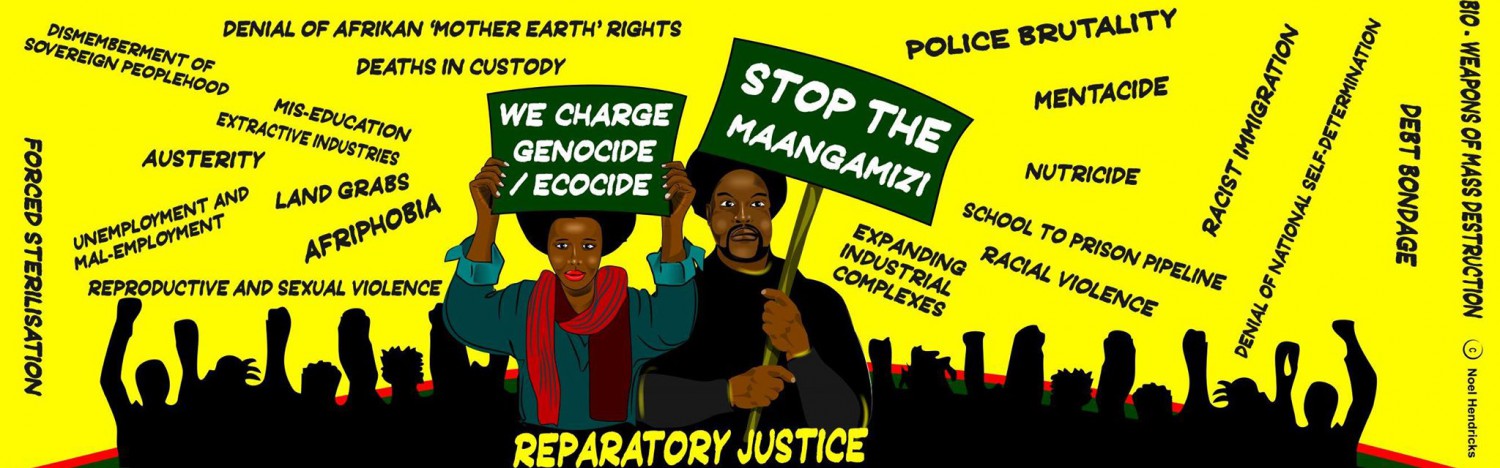


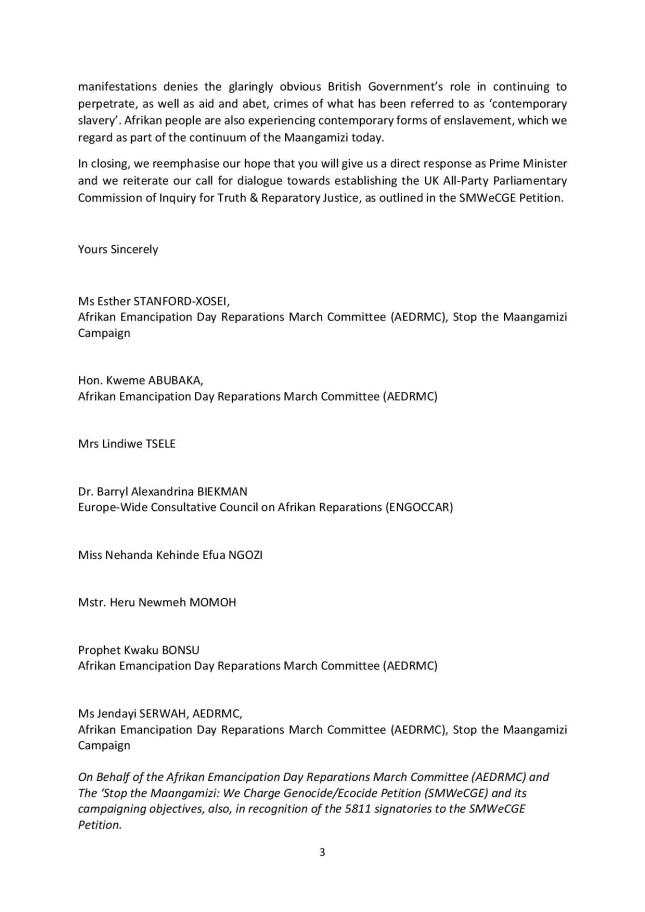
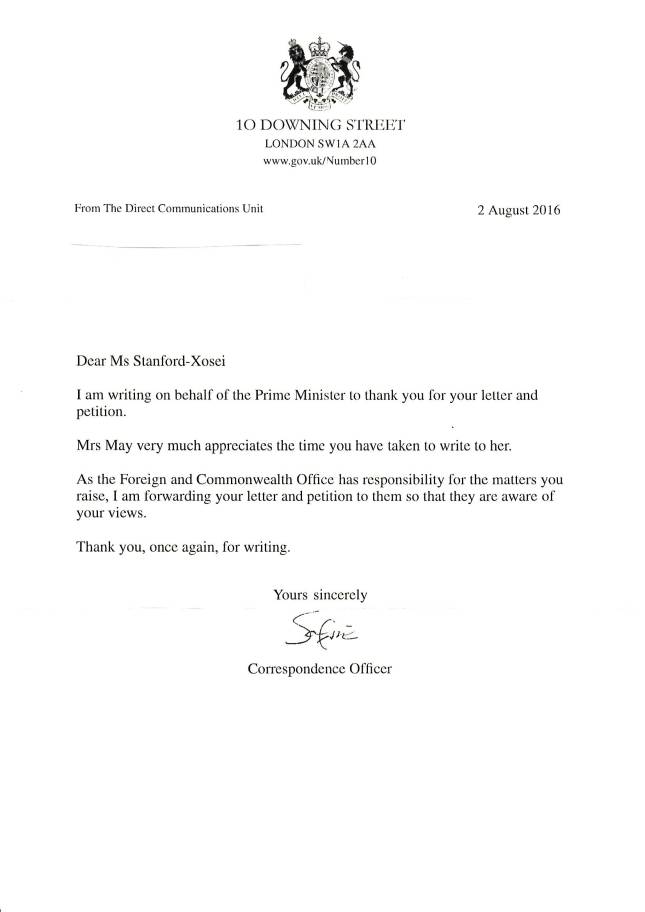
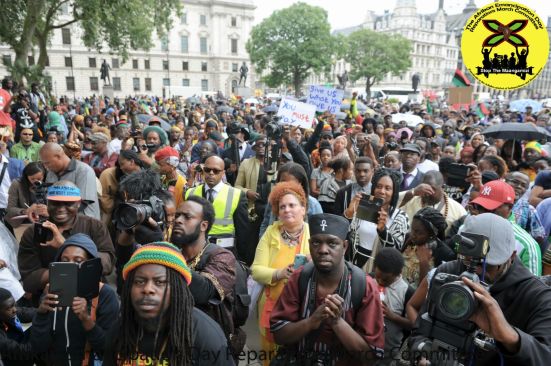
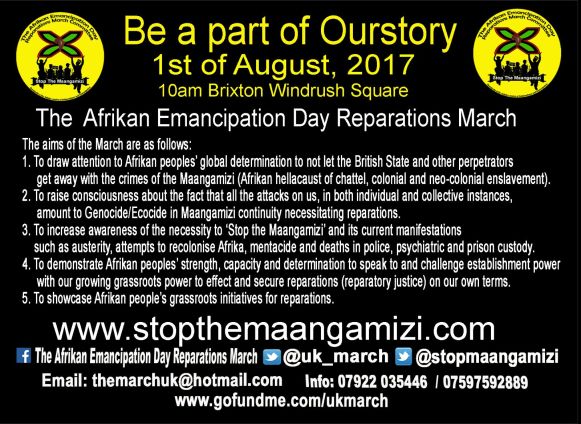
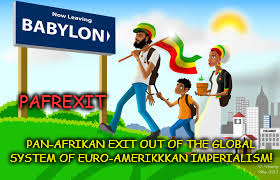
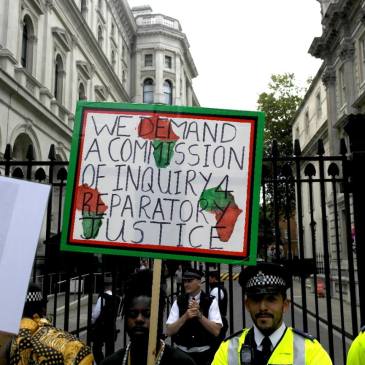

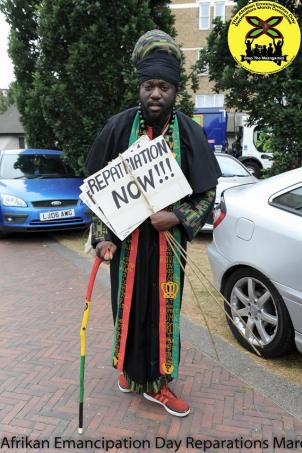

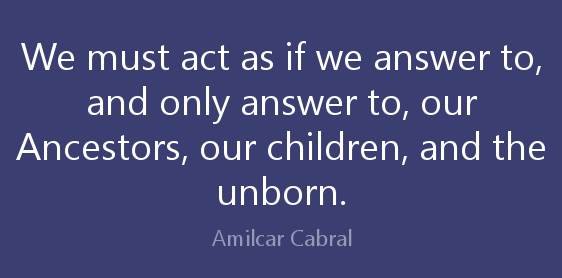
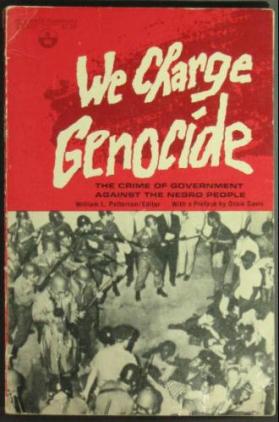
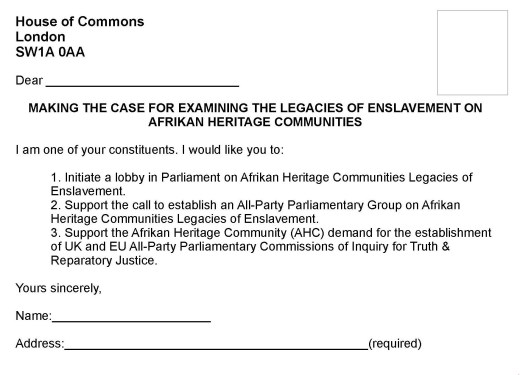
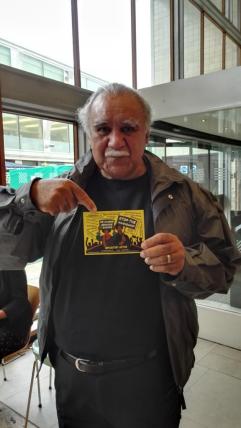
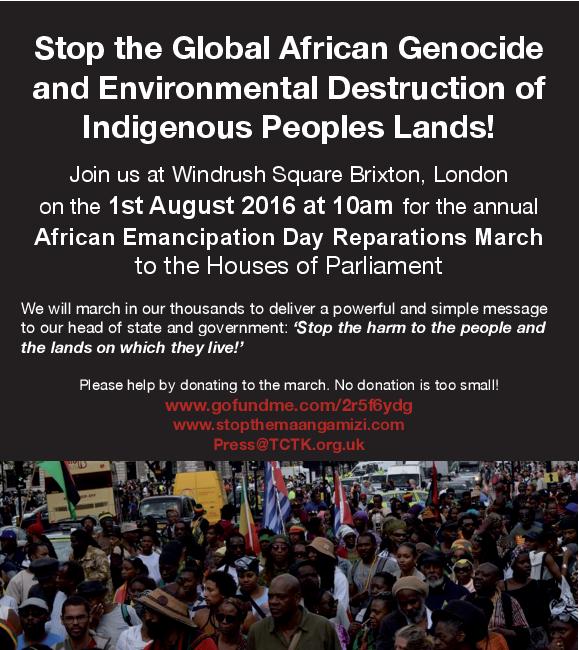


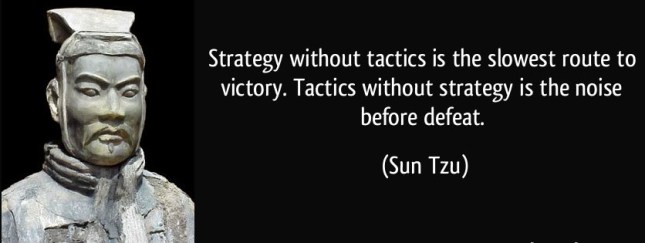




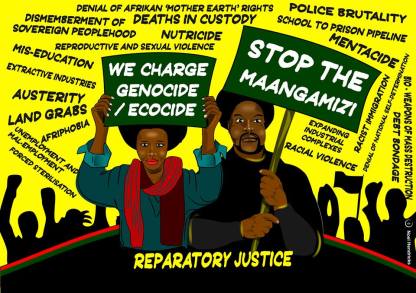
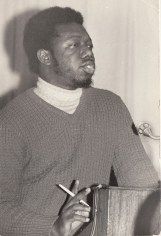
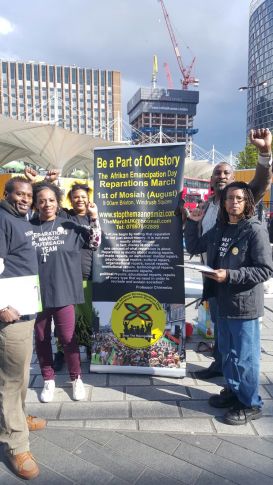


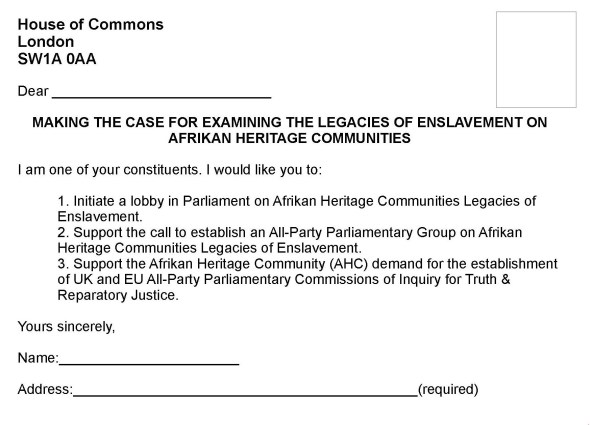
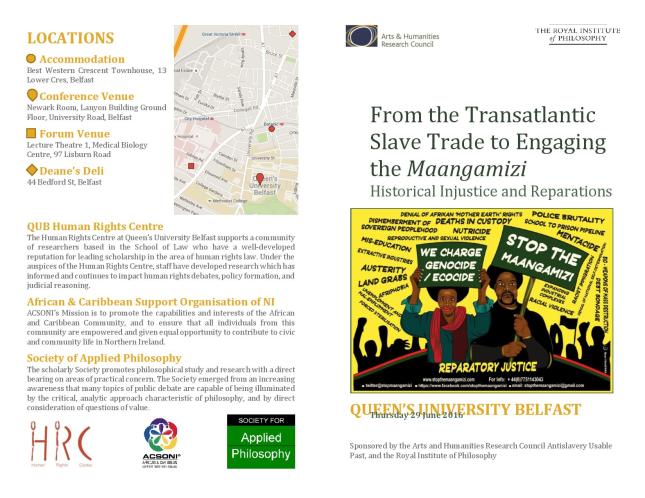
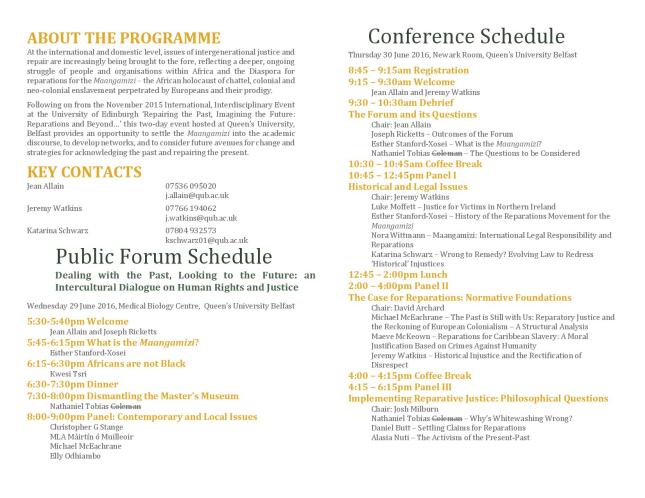
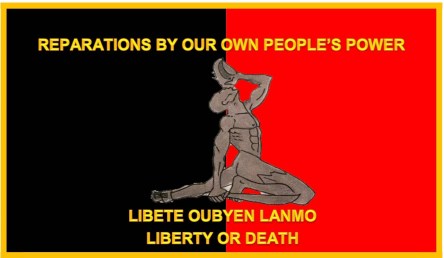


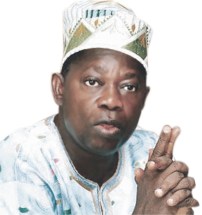
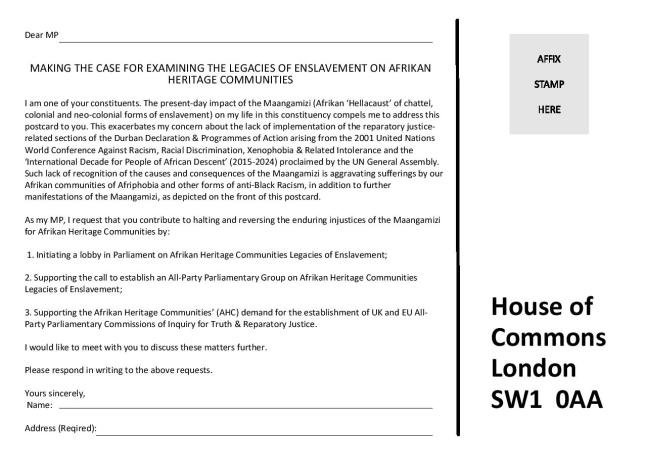


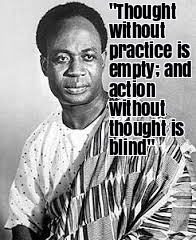
 stopthemaangamizi.com