Greetings Community Member,
How many times have you said or heard someone say:
- “The system ain’t working for us!”
- “Every day I pray for my children!”
- “We need to come together and do something!”
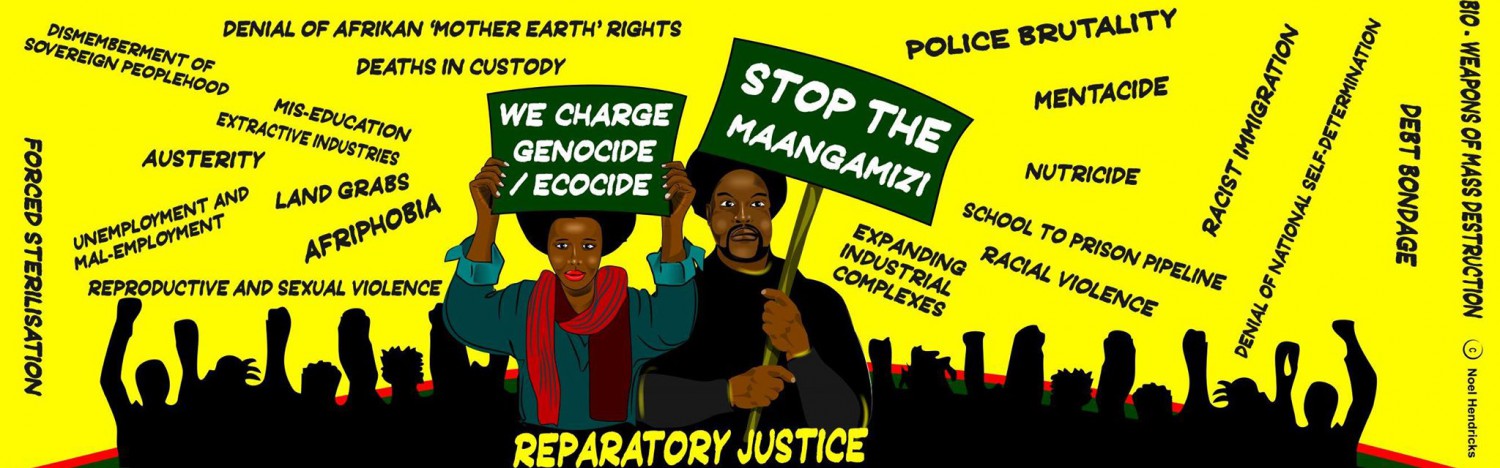
These are the rallying calls of our communities, and they remind us that change starts with us. As we continue to build power through self-repair initiatives and community-building, engaging with our Members of Parliament (MPs) is one important step in our broader movement for reparatory justice.
But let’s be clear: the power to create change lies with us—our communities. MPs are public servants who are meant to represent our interests, and it’s their job to listen to us and act on our demands. By engaging with them, we’re using every available tool to advance reparations movement-building while keeping the focus on our leadership and our solutions.
We’ve prepared two template letters to help you approach your MP about supporting our community-led work:
- A Concise Version (1 page) – short and to the point.
- A Detailed Version (2 pages) – with more context and background.
These letters are tools to help you advocate for our communities while keeping the focus on our community leadership and the international frameworks that support our demands.
Let’s work together to make our voices heard!
Guidance
Why Engage with MPs?
Engaging with Members of Parliament (MPs) is one tool in our broader movement for holistic reparatory justice. It’s important to remember that the power to create change lies with us—our communities. MPs are public servants who are meant to represent our interests, and it’s their job to listen to us and act on our demands.
By engaging with MPs, we:
- Hold Them Accountable: MPs have access to resources, platforms, and decision-making spaces that can amplify our voices and support our work.
- Build Awareness: Many MPs may not fully understand the issues our communities face. By reaching out, we educate them and push them to take a stand.
- Create Pressure: When MPs hear from enough constituents, they are more likely to act. This is about using their position to support our community-led solutions, not waiting for them to lead.
- Align with International Frameworks: MPs can help ensure the UK government meets its obligations under international human rights frameworks, like the Second UN International Decade for People of African Descent.
This is not about looking to MPs as being all-powerful—it’s about using every available tool to advance our movement while keeping the focus on our leadership and our solutions.
Which Version of the Letter Should I Choose?
- Concise Version (1 page)
- Use when your MP is already familiar with reparations issues.
- Best for follow-up communications or quick requests.
- Great for MPs who prefer direct, brief messages.
- Useful for initial contact that you can expand on later.
- Detailed Version (2 pages)
- Use for MPs who are new to reparations work.
- Best for first contact or when you need to provide full context.
- Helpful for creating a record of the issues and solutions.
- Includes references to specific frameworks and examples.
How to Customise Your Letter
Essential Amendments
- Your Details
- Full name and address.
- Contact information.
- Any relevant community role or position.
- Constituency details.
- MP Information
- Correct name and title.
- Proper parliamentary address.
- Any relevant committee memberships or interests.
- Local Context
- Mention local council ‘Atonement and Reparations’ motions (if applicable).
- Highlight issues specific to your constituency.
- Include examples of community-led initiatives.
How Can I Make the Letter Relevant to My Circumstances?
- Add Local Examples
- Include stories of how the Maangamizi impact your community today. For example:
- “In our area, the lack of affordable housing disproportionately affects Afrikan Heritage families, a legacy of discriminatory housing policies.”
- “Our local schools lack resources, perpetuating educational inequalities rooted in systemic racism.”
- Mention local self-repair projects or community development work. For example:
- “Our community garden project provides fresh produce and creates employment, but we need funding to expand.”
- “We’ve started a youth mentorship programme to address the school-to-prison pipeline.”
- Highlight specific concerns in your area (e.g., housing, education, health).
- Include stories of how the Maangamizi impact your community today. For example:
- Strengthen Your Demands
- Add specific local repair initiatives that need support. For example:
- “We’re calling for resources to restore our community centre, which serves as a hub for cultural and educational programmes.”
- Include examples of community-led documentation or projects.
- Reference upcoming events or deadlines related to reparations.
- Follow Up Effectively
- Mention any previous communications with your MP.
- Acknowledge any support they’ve already given.
- Clearly state the next steps you’d like them to take.
How to Get the Best Outcome from Sending This Letter
- Timing Your Send
- Check the parliamentary calendar for key dates.
- Align with community events or campaigns.
- Note relevant international days (e.g., 23rd August the UN Day which commemorates the culmination of the Haitian Revolution).
- Record Keeping
- Keep copies of all correspondence.
- Document any responses from your MP.
- Share updates with your community and local organisations.
- Follow-Up Strategy
- Plan when and how you’ll follow up.
- Be ready to respond to common questions or objections.
- Link your efforts to broader Stop the Maangamizi campaign activities.
Important Notes
-
Community Leadership
-
Keep the focus on our community-led processes.
-
Present parliamentary action as support for our work, not the other way around.
-
Stress the importance of community participation in all decisions about us.
-
-
Strategic Framework
Connect local actions to international frameworks (e.g., UN Basic Principles & Guidelines on Reparation).
-
Highlight the need for concrete steps to address historical and ongoing injustices.
-
Movement Building
-
Link letter-writing to other campaign activities.
-
Use this as an opportunity to educate and mobilise your community.
-
Build long-term pressure for change.
-
Coordination
Spread the word and pile on the pressure! Share responses and outcomes with:
- The Stop the Maangamizi Campaign
- Local community organisations.
- Relevant working groups.
- Other community members engaging their MPs.
This helps build collective knowledge and coordinated action.
Support
For additional help or questions about using these templates, contact:
Email: stopthemaangamizi@gmail.com
Phone: 07482220013
Remember: These letters are one tool in our broader reparations movement-building strategy. Their effectiveness depends on connecting them to ongoing community building and organising work.
 stopthemaangamizi.com